How Can Students Prepare for Their First Job After Graduation?
Gusti Ayu Tita P
3 September 2026
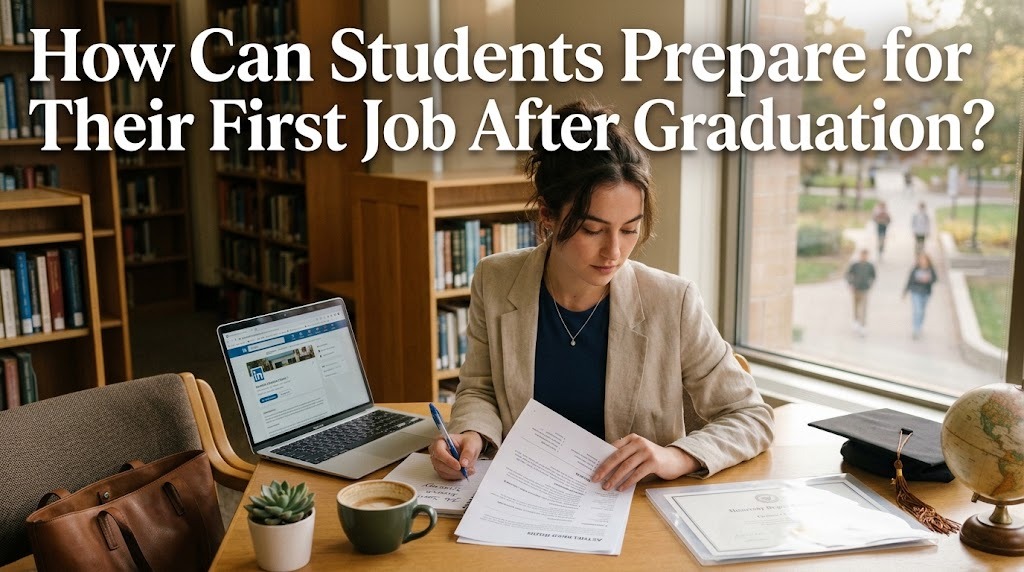
Getting a first job after graduation can be an exciting but challenging experience. Students may have academic knowledge, but they also need to understand how to apply their abilities in a professional environment. Good preparation can make the transition from education to employment smoother and more confident. Students should prepare their skills, documents, mindset, and understanding of the workplace before applying for jobs. Starting early can also give them more time to identify weaknesses and improve their career readiness.
IDENTIFY YOUR CAREER INTERESTS
Students should begin by identifying career interests and professional goals before graduation. They can research different positions, industries, and companies that match their education and personal interests. Reading job descriptions can help students understand the qualifications and skills commonly required for their desired positions. Career fairs, internships, seminars, and discussions with professionals can also provide useful information.
Students do not need to have their entire career planned immediately. Their interests may change as they gain new experiences and learn more about different professions. Having a general career direction can nevertheless help students choose relevant skills, courses, and experiences. This preparation can make their job search more focused after graduation.
DEVELOP RELEVANT JOB SKILLS
Employers often look for candidates who can combine academic knowledge with practical abilities. Students should develop technical skills and soft skills that are relevant to their chosen career. Technical skills may include using specific software, analyzing data, designing content, managing finances, or performing other professional tasks. Soft skills can include communication, teamwork, problem solving, adaptability, and time management.
Students can practice these abilities through classroom projects, organizations, internships, competitions, online courses, and personal projects. They should focus on skills that are useful for their target positions rather than collecting unrelated certificates. Practical skill development can make students more prepared to handle real workplace responsibilities. It can also give them stronger examples to discuss during job interviews.
GAIN PRACTICAL EXPERIENCE
Practical experience can help students understand the difference between classroom learning and professional responsibilities. Internships, part time jobs, volunteering, freelance projects, and organizational activities can provide valuable opportunities to apply knowledge. Students can learn how to work with deadlines, communicate with others, solve problems, and complete assigned responsibilities. These experiences can also help students discover their strengths and areas that still need improvement.
Students should keep records of important projects and responsibilities they complete. They can note the skills they developed, problems they solved, and results they achieved. Specific examples of experience can strengthen a resume and help students answer interview questions more effectively. Even a small project can be useful if it demonstrates relevant abilities.
PREPARE A PROFESSIONAL RESUME
A resume is often one of the first documents an employer reviews when considering a candidate. Students should create a clear, concise, and accurate resume that highlights relevant education, skills, experiences, projects, and achievements. The information should be organized so recruiters can quickly understand the candidate's qualifications. Students should also check their resume carefully for spelling, grammar, and formatting errors.
A resume should be adjusted when applying for different positions. Students can highlight experiences and skills that are most relevant to each job description. A targeted resume can make an application more relevant than using exactly the same document for every position. Students should always provide truthful information and avoid exaggerating their abilities.
BUILD A PROFESSIONAL PORTFOLIO
A portfolio can help students demonstrate their abilities through actual examples of work. It can include designs, writing samples, marketing projects, presentations, research, business plans, websites, or other relevant projects depending on the career field. A portfolio is especially useful for positions where employers need to evaluate practical or creative abilities. Students should select their strongest and most relevant work rather than including everything they have ever created.
Each project can include a short explanation of the student's role and contribution. This helps employers understand not only what was produced but also what skills were used. A well organized portfolio provides evidence of practical ability and can support information presented in a resume. Students should update their portfolio whenever they complete meaningful new projects.
PRACTICE FOR JOB INTERVIEWS
Job interviews can be stressful for first time applicants, so students should practice before graduation. They can prepare answers to common questions about their education, strengths, weaknesses, experience, career goals, and reasons for applying. Practicing with a teacher, friend, mentor, or career advisor can help students become more comfortable speaking about themselves. Students should focus on giving honest and specific answers rather than memorizing long scripts.
Students should also research the organization and position before an interview. Understanding the company's activities and the responsibilities of the role can help candidates ask relevant questions and demonstrate genuine interest. Interview preparation can improve confidence and reduce unnecessary nervousness. Students should also practice professional body language, active listening, and clear communication.
BUILD PROFESSIONAL COMMUNICATION SKILLS
Professional communication is important from the first contact with a potential employer. Students should learn how to write professional emails, application messages, and other workplace communication. Messages should be clear, polite, concise, and appropriate for the situation. Students should also learn to respond within a reasonable time and check their messages before sending them.
Communication skills are equally important during interviews and workplace interactions. Students need to listen carefully, explain their ideas clearly, and respond respectfully to different opinions. Good communication can help create a professional first impression. Practicing these habits before graduation can make students more comfortable when communicating with employers and coworkers.
DEVELOP A PROFESSIONAL MINDSET
A first job may involve unfamiliar tasks, mistakes, feedback, and responsibilities. Students should therefore develop a professional mindset that includes discipline, responsibility, adaptability, patience, and willingness to learn. They should understand that they will not know everything immediately after graduation. Being willing to ask appropriate questions and learn from experienced coworkers can help new employees adjust.
Students should also understand the importance of accepting constructive feedback. Mistakes can happen, especially during the early stages of a career, but students should use them as opportunities to improve. A willingness to learn is an important professional quality that can support long term career development. Maintaining a positive but realistic attitude can also help students handle workplace challenges.
BUILD A PROFESSIONAL NETWORK
Students can begin building professional relationships before they graduate. They can connect with lecturers, alumni, mentors, internship supervisors, classmates, and industry professionals through events and professional activities. Networking can help students learn about career paths, workplace expectations, and potential opportunities. The purpose of networking should be to build genuine professional relationships rather than simply asking people for employment.
Students should communicate respectfully and maintain appropriate professional relationships over time. Attending seminars, career fairs, workshops, and industry events can provide opportunities to meet people from different professional backgrounds. A strong professional network can provide useful information and guidance during the early stages of a career. It can also help students learn about opportunities that may not be widely advertised.
LEARN ABOUT THE WORKPLACE
Students should understand basic workplace expectations before starting their first job. These may include punctuality, professional communication, teamwork, workplace ethics, responsibility, confidentiality, and appropriate behavior. Workplace culture can differ between organizations, so students should be willing to observe and learn how their new environment operates. Understanding professional expectations can make the adjustment period easier.
Students should also learn about employment conditions before accepting a position. They should carefully review information about job responsibilities, working arrangements, compensation, benefits, and other relevant terms. Understanding employment expectations can help students make informed decisions about job opportunities. When something is unclear, asking the appropriate person for clarification is better than making assumptions.
CONTINUE LEARNING AFTER GRADUATION
Career preparation should not stop when students receive their first job. Industries continue to change because of technology, business trends, customer needs, and new professional practices. Graduates should continue developing their skills through training, courses, practical experience, reading, and professional communities. Continuous learning can help them remain relevant and adapt to changing career requirements.
Students should view their first job as another opportunity to learn. They can observe experienced colleagues, request constructive feedback, and gradually take on new responsibilities. Continuous improvement can support long term career growth. A willingness to keep learning can help graduates develop from entry level employees into more capable professionals.
CONCLUSION
Students can prepare for their first job after graduation by developing relevant skills, gaining practical experience, preparing professional documents, and practicing interviews. They should also build professional communication, networking abilities, workplace awareness, and a positive mindset before entering employment. Starting these preparations early gives students more time to improve their weaknesses and understand their career goals. However, preparation does not end after getting the first job because professional development is a continuous process. With consistent learning and practical preparation, students can enter the workplace with greater confidence and stronger career readiness.
Tentang Penulis
Gusti Ayu Tita P
Penulis — Universitas STEKOM
Penulis aktif yang berfokus pada isu-isu akademik, teknologi pendidikan, dan pengembangan sumber daya manusia di lingkungan kampus.