
How Can Students Prepare Themselves to Be More Ready for the Competitive Job Market?
Gusti Ayu Tita P
10 Maret 2026
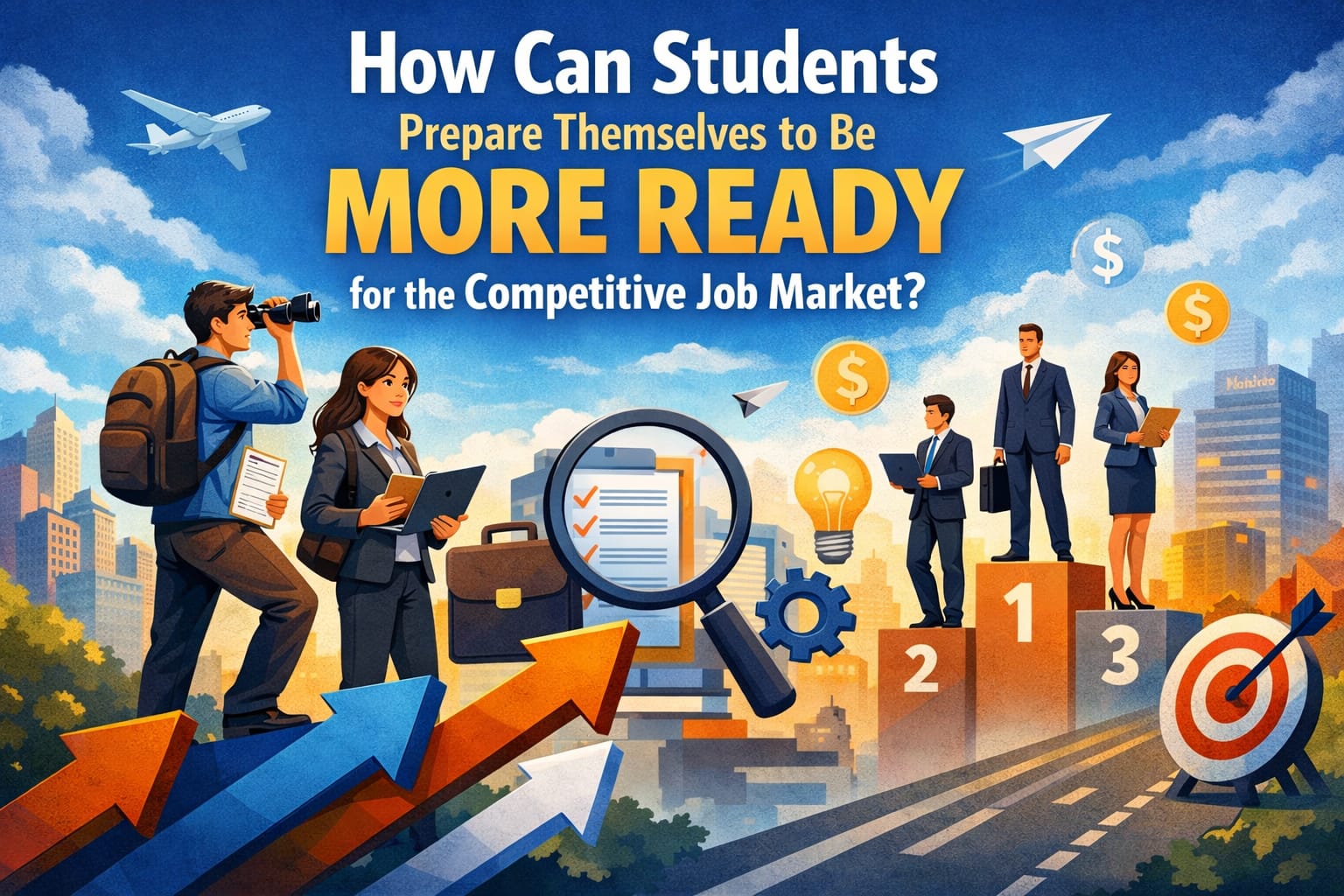
Competition in the job market is becoming increasingly intense every year. University graduates are not only competing with students from the same campus but also with graduates from various universities, even from different countries. Therefore, students need to prepare themselves early so they can develop advantages that attract the attention of employers.
This preparation is not only related to academic grades. Today’s job market also demands practical skills, adaptability, and a mindset that is ready to face constant changes. With the right strategy, students can improve their readiness before truly entering the professional world.
UNDERSTANDING THE DEMANDS AND DEVELOPMENTS OF THE JOB MARKET
The first step students need to take is understanding how the job market is evolving today. Many industries are experiencing transformation due to technological advancement, digitalization, and changes in business models.
Students who understand these trends will find it easier to adjust the skills they need to develop. For example, communication skills, collaboration, problem-solving, and digital literacy are becoming increasingly important across many professions.
By recognizing industry needs, students can design a more focused self-development strategy during their time at university.
IMPROVING COMPETENCIES BEYOND ACADEMICS
Academic achievement is important, but it is not always the only factor that determines success in finding a job. Many companies are more interested in candidates who have experience and practical abilities.
Students can improve their competencies through various activities such as joining campus organizations, participating in internship programs, volunteering, or working on collaborative projects. These activities help develop leadership, teamwork, and responsibility management skills.
Such experiences also add value to a student’s portfolio and demonstrate their readiness to face real-world professional challenges.
DEVELOPING SOFT SKILLS NEEDED BY INDUSTRIES
Soft skills are one of the key aspects that companies often evaluate. Communication skills, time management, leadership, and critical thinking greatly influence a person’s performance in the workplace.
Students can train their soft skills through activities such as classroom presentations, group discussions, and participation in organizations. The more someone engages in activities that involve interaction and responsibility, the more their interpersonal abilities will grow.
Strong soft skills not only help during the recruitment process but also play a major role in long-term career development.
BUILDING A PORTFOLIO AND REAL EXPERIENCE
A portfolio serves as concrete proof of a person’s abilities. In many fields, companies prefer to see actual work or projects completed rather than simply reading a list of skills on a resume.
Students can begin building their portfolios during university by documenting projects, research, creative work, or internship experiences. This helps employers understand the real capabilities of potential candidates.
A well-prepared portfolio can also boost students’ confidence during the job application and interview process.
EXPANDING PROFESSIONAL NETWORKS EARLY
Networking or professional connections often becomes a key factor that opens career opportunities. Many job opportunities arise through relationships, recommendations, or connections built during university years.
Students can expand their networks by attending seminars, workshops, community events, and professional platforms. Additionally, communicating with lecturers, alumni, or industry professionals can provide valuable insights about the job market.
A strong network can help students gain information about career opportunities, mentors, and even valuable internship positions.
DEVELOPING A LIFELONG LEARNING MINDSET
The job market continues to evolve along with technological advancements and industry needs. Therefore, having a lifelong learning mindset is one of the key factors in facing career competition.
Students who are accustomed to learning new things will adapt more easily to change. They do not rely solely on knowledge gained in university but actively seek additional insights through courses, training, and real-life experiences.
With this mindset, students can continue to grow and remain relevant in the ever-changing professional landscape.
CONCLUSION
Preparing for competition in the job market is a process that should begin during university years. Students should not only focus on academic achievement but also develop skills, experiences, and professional networks.
Through improving competencies, developing soft skills, building a portfolio, and understanding industry demands, students can significantly enhance their readiness to enter the workforce. With thorough preparation, the opportunity to build a successful career will become much more attainable.
Tentang Penulis
Gusti Ayu Tita P
Penulis — Universitas STEKOM
Penulis aktif yang berfokus pada isu-isu akademik, teknologi pendidikan, dan pengembangan sumber daya manusia di lingkungan kampus.















