How Can Students Stay Safe During A Study Tour?
Gusti Ayu Tita P
17 September 2026
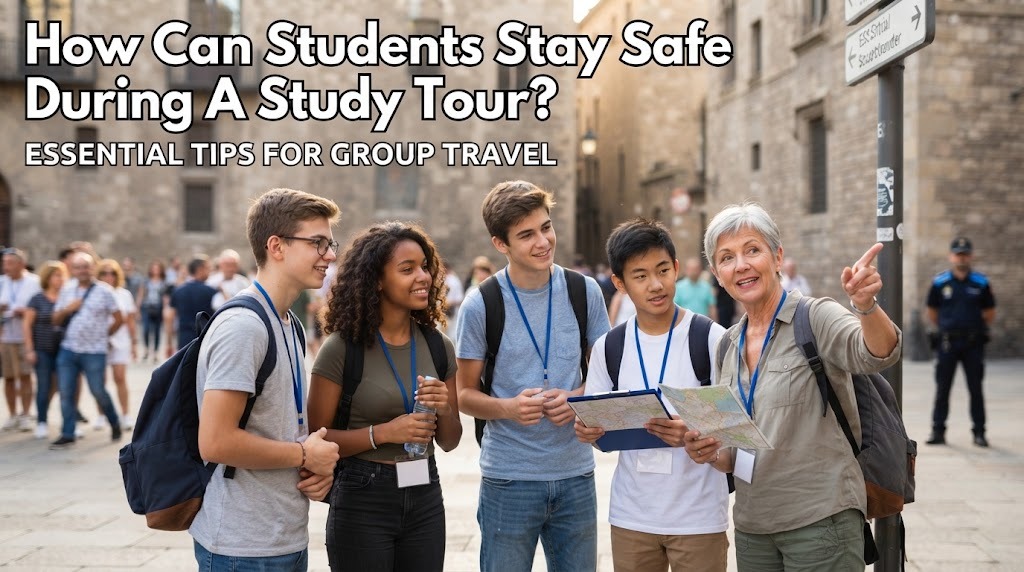
A study tour gives students a chance to learn outside the classroom while visiting new places. However, traveling with a group also requires students to pay attention to personal safety and responsibility. Students may face unfamiliar environments, crowded places, traffic, weather changes, or other unexpected situations. Therefore, understanding basic safety rules is important before and during a study tour.
Good preparation can help students enjoy the trip without unnecessary problems. Students should listen to teachers, follow the schedule, stay with their group, and take care of their personal belongings. They should also know what to do if they become separated from their group or experience an emergency. With the right habits, a safe study tour can be both educational and enjoyable.
FOLLOW THE TEACHER'S INSTRUCTIONS
Following the teacher's instructions is one of the most important ways to stay safe during a study tour. Teachers and tour leaders usually provide information about meeting points, schedules, transportation, and rules at each destination. Students should listen carefully and ask questions if they do not understand an instruction. Ignoring directions can increase the risk of getting lost or entering an unsafe area.
Students should also avoid leaving the group without permission. If they need to go somewhere, they should tell a teacher or assigned group leader first. Staying with the group makes it easier for teachers to monitor everyone during the trip. It also helps students receive assistance quickly if an unexpected situation occurs.
STAY WITH YOUR GROUP
Students should stay close to their assigned group throughout the study tour. Crowded locations such as museums, shopping areas, transportation stations, and tourist attractions can make it easy to lose sight of friends. Students can use the buddy system, where they stay with a designated partner during activities. This simple method helps students look after one another.
It is also useful to remember the group's meeting point. If a student becomes separated from their friends, they should remain calm and follow the instructions provided by the teacher. They should avoid wandering around alone to search for the group. Knowing the emergency meeting point can make it easier to reunite safely.
TAKE CARE OF PERSONAL BELONGINGS
Students should keep important belongings secure during the entire trip. Items such as phones, wallets, identification cards, money, and other valuables should not be left unattended. A small bag that can be kept close to the body may make it easier to monitor personal items. Students should also avoid carrying unnecessary valuables.
Before leaving a location, students can check their seats, bags, and surrounding areas to make sure nothing has been forgotten. They should also keep their belongings organized when moving between buses, hotels, schools, and tourist destinations. Taking responsibility for personal belongings reduces the risk of losing important items. If something is lost, students should immediately tell a teacher or tour leader.
BE CAREFUL WHEN USING TRANSPORTATION
Transportation is an important part of every study tour, so students need to follow safety rules while traveling. They should remain seated when required and avoid distracting the driver. Students should also use seat belts whenever they are available and required. Running, pushing, or standing unnecessarily inside a moving vehicle can create dangerous situations.
When getting on or off a bus, students should wait their turn and avoid rushing. They should check their surroundings, especially when vehicles are moving nearby. Students should never cross a road without following proper pedestrian safety rules. Paying attention during transportation can help prevent travel accidents.
FOLLOW RULES AT VISIT LOCATIONS
Every destination may have different safety regulations. Museums may restrict touching certain objects, while factories may require visitors to stay within designated areas. Students should always follow site-specific rules provided by teachers, guides, or staff. These rules are usually designed to protect visitors as well as the location.
Students should not enter restricted areas or ignore warning signs just to take photographs or explore independently. They should also behave respectfully toward other visitors and the environment. If a student is unsure whether an activity is allowed, asking a teacher or guide is the safest option. Respecting local rules helps prevent injuries and other problems.
PREPARE FOR WEATHER AND HEALTH NEEDS
Weather can change during a study tour, especially when students spend a lot of time outdoors. Students should check the expected weather before the trip and bring suitable items such as comfortable clothing, drinking water, an umbrella, or sun protection when needed. Wearing comfortable shoes can also help students move safely during long walks.
Students should tell teachers if they feel unwell, tired, dizzy, or uncomfortable. They should not hide serious symptoms because they are afraid of missing an activity. Students who have specific health needs should follow the instructions provided by their parents or guardians and school staff. Proper preparation helps students remain comfortable and reduces avoidable risks during the trip.
KNOW WHAT TO DO IN AN EMERGENCY
Students should know the basic emergency procedures before starting a study tour. They should remember important contact information, the name of their school or group leader, and the designated meeting point. If an emergency happens, students should stay calm and follow instructions from teachers, guides, or emergency personnel. Panic can make it more difficult to make safe decisions.
If a student becomes lost, they should avoid going farther away from the last known location without guidance. They can contact their teacher or group leader using a phone if possible. If they cannot make contact, they should seek help from a responsible adult or authorized staff member in the location. Knowing these basic steps can make an emergency situation easier to handle.
CONCLUSION
Staying safe during a study tour requires preparation, awareness, and cooperation. Students should follow teacher instructions, stay with their group, protect personal belongings, follow transportation rules, and respect the rules of each destination. They should also prepare for weather changes and tell teachers when they experience health problems. These simple habits can help reduce unnecessary risks.
A study tour should provide students with valuable experiences without compromising their safety. By being responsible and paying attention to their surroundings, students can enjoy learning while traveling with confidence. Safety is a shared responsibility, so students, teachers, tour leaders, and other participants should work together throughout the trip.
Tentang Penulis
Gusti Ayu Tita P
Penulis — Universitas STEKOM
Penulis aktif yang berfokus pada isu-isu akademik, teknologi pendidikan, dan pengembangan sumber daya manusia di lingkungan kampus.