How Can Technology Be Used To Celebrate Independence Creatively?
Gusti Ayu Tita P
10 Agustus 2026
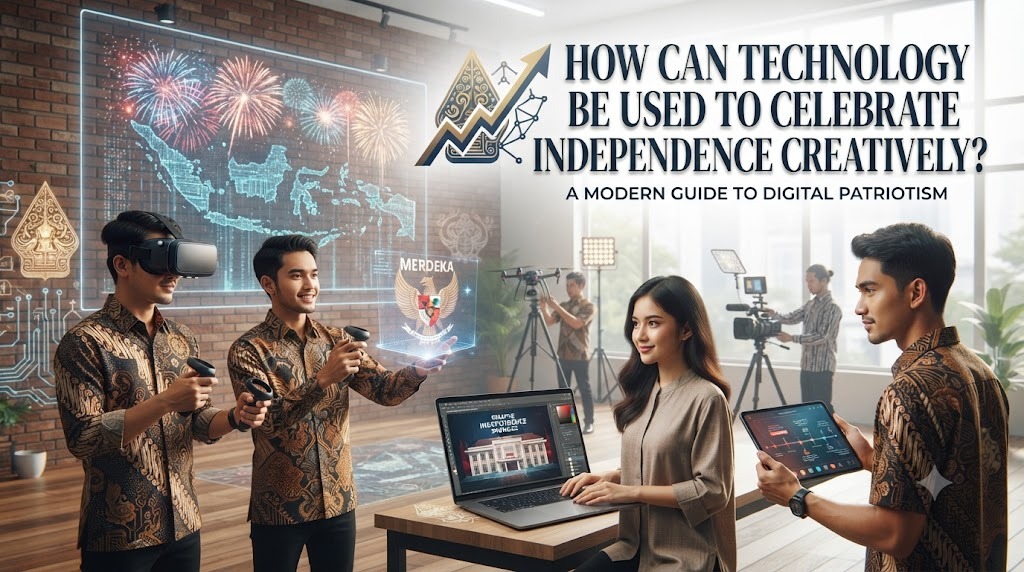
Independence Day is an important moment for Indonesians to remember the nation's struggle and appreciate the freedom enjoyed today. In the digital era, technology provides many creative ways to celebrate this historic occasion. Young people can use social media, digital content, creative applications, and online platforms to share messages about independence. Technology can make celebrations more interactive while helping historical values reach a wider audience.
A modern Independence Day celebration does not have to depend only on physical events. Digital activities can connect people from different regions and allow them to participate even when they cannot attend local celebrations. With thoughtful planning, technology can support both entertainment and education. Creative digital celebrations can make independence more relevant to younger generations.
USING SOCIAL MEDIA FOR INDEPENDENCE CAMPAIGNS
Social media is one of the easiest tools for celebrating independence creatively. Young people can create short videos, infographics, photographs, animations, and educational posts related to Indonesian history and national values. These materials can be shared through popular social platforms to reach different audiences. Creative content can make historical information easier to understand and more interesting.
A social media campaign can also encourage public participation. People can share stories about what independence means to them, upload creative photographs, or participate in educational challenges. However, content should be accurate and respectful of historical facts. Responsible digital communication helps ensure that Independence Day campaigns provide meaningful information rather than only entertainment.
CREATING DIGITAL INDEPENDENCE DAY POSTERS
Digital design applications allow people to create attractive Independence Day posters without requiring advanced graphic design skills. Users can combine red and white colors, national symbols, historical images, and inspirational messages to create visual content. These posters can be shared online or printed for physical events. Good design can make important messages easier to notice.
Digital posters can also promote local Independence Day activities. Organizers can include information about competitions, community events, schedules, or educational programs. Clear typography and simple layouts make the information easier to read. Creative visual communication can help communities promote activities while strengthening the atmosphere of national celebration.
MAKING EDUCATIONAL VIDEOS ABOUT INDEPENDENCE
Video is an effective medium for presenting historical information in an engaging way. Students and young creators can produce short documentaries, animations, interviews, or storytelling videos about Indonesia's independence. They can explain important historical events using simple language and visual elements. This approach can make history more accessible to younger audiences.
Educational videos can also introduce stories about local heroes and regional contributions to independence. Creators should use reliable information and avoid changing historical facts simply to make content more dramatic. Adding subtitles can make videos accessible to more viewers. Digital storytelling can combine education and creativity while encouraging greater interest in Indonesian history.
ORGANIZING VIRTUAL INDEPENDENCE COMPETITIONS
Technology makes it possible to organize Independence Day competitions online. Communities and schools can hold online quizzes, digital poster competitions, video challenges, photography contests, and virtual storytelling events. Participants can join from different locations using smartphones or computers. This can make celebrations more inclusive.
Virtual competitions should have clear rules and fair judging criteria. Organizers can use online forms or digital platforms to collect submissions and announce winners. The competition themes can focus on independence, national identity, Indonesian culture, or positive community values. Online competitions can combine entertainment with learning and creativity.
USING DIGITAL MAPS TO EXPLORE HISTORY
Interactive digital maps can provide a creative way to learn about Indonesian history. Students can use maps to explore historical locations, important events, cultural sites, and local heritage. Information can be presented through photographs, descriptions, videos, or links to educational resources. This makes history more interactive than simply reading a traditional textbook.
Schools and communities can create simple digital mapping projects based on local history. Students can research historical locations in their areas and present their findings through digital platforms. Such projects can encourage research skills and appreciation for local heritage. Interactive historical learning can help connect national history with the environment around students.
USING ARTIFICIAL INTELLIGENCE RESPONSIBLY
Artificial intelligence can support creative Independence Day projects when used carefully. AI tools can help generate design ideas, writing concepts, visual concepts, educational outlines, and creative storytelling formats. Young people can use these tools to explore different ways of presenting national themes. However, AI should be treated as a supporting tool rather than a replacement for human creativity and historical research.
Users should verify information generated by AI before publishing it. Historical content requires particular attention because inaccurate information can spread quickly online. Creators should also consider copyright, privacy, and ethical issues when using digital tools. Responsible AI use can support creativity while maintaining accuracy and respect for historical subjects.
PROMOTING INDONESIAN CULTURE THROUGH DIGITAL CONTENT
Independence celebrations can also become opportunities to introduce Indonesian culture to wider audiences. Young creators can produce digital content about traditional clothing, regional foods, local languages, music, dances, crafts, and traditional ceremonies. Social media and video platforms can help this content reach audiences beyond local communities. Cultural content can strengthen appreciation for Indonesia's diversity.
Creators can present traditional culture using modern formats without removing its original meaning. For example, traditional recipes can be explained through short videos, while local crafts can be introduced through digital storytelling. Accurate cultural information should accompany creative presentations. Digital cultural promotion can help preserve traditions while making them more accessible to younger generations.
CREATING VIRTUAL EXHIBITIONS
Virtual exhibitions provide another creative way to celebrate independence. Schools, museums, communities, and student groups can create online displays featuring historical photographs, documents, artwork, biographies, and cultural materials. Visitors can explore the exhibition using computers or mobile devices. This allows historical resources to reach people who cannot visit a physical exhibition.
A virtual exhibition should provide clear descriptions and reliable sources for historical materials. Simple navigation can help visitors explore the content comfortably. Interactive elements such as quizzes or short videos can make the experience more engaging. Digital exhibitions can combine historical education with modern technology.
USING PODCASTS TO SHARE INDEPENDENCE STORIES
Podcasts can provide a simple platform for discussing Indonesian independence. Young people can create episodes about historical figures, independence events, local history, national values, and personal reflections. Audio storytelling allows listeners to learn while performing other activities. It can also encourage young people to explore history more deeply.
Podcast creators should research their topics carefully before recording episodes. Interviews with teachers, historians, community leaders, or knowledgeable individuals can provide additional perspectives. Clear narration and organized discussion can make complex topics easier to understand. Digital audio storytelling offers another way to connect historical knowledge with modern audiences.
BUILDING DIGITAL COMMUNITY PARTICIPATION
Technology can help communities coordinate Independence Day activities more efficiently. Messaging platforms, online registration systems, digital schedules, and social media groups can support event coordination and public participation. Organizers can provide updates and important information through digital channels. This can reduce confusion and make community events easier to manage.
Digital participation should complement rather than completely replace direct community interaction. Independence celebrations can still include traditional activities, neighborhood gatherings, competitions, and social service. Technology can simply make planning and communication more efficient. Digital collaboration can strengthen community involvement while preserving the social spirit of Independence Day.
MAKING INDEPENDENCE CELEBRATIONS MORE INCLUSIVE
Digital technology can help people participate in celebrations regardless of their location. People who cannot attend physical events may still join through online competitions, livestreams, virtual discussions, or digital campaigns. This can expand participation beyond a single neighborhood or community. Technology can therefore make certain aspects of Independence Day more accessible.
Accessibility should also be considered when creating digital content. Captions, readable text, clear audio, and simple navigation can help more people enjoy the content. Organizers should avoid unnecessarily complicated technology that prevents participation. Inclusive digital celebrations should prioritize accessibility, simplicity, and meaningful participation.
CONCLUSION
Technology provides many creative opportunities to celebrate Indonesian Independence Day while preserving its historical and cultural meaning. Social media campaigns, digital posters, educational videos, virtual competitions, interactive maps, podcasts, virtual exhibitions, and cultural content can make celebrations more engaging. Technology can also connect people from different locations and encourage wider participation.
However, creativity should always be accompanied by accuracy, responsibility, cultural respect, and digital ethics. Technology should not reduce Independence Day to entertainment alone. When used thoughtfully, digital tools can help young people learn about history, appreciate national culture, and express their creativity. In this way, technology can make Independence Day celebrations more modern while keeping their meaningful values alive.
Tentang Penulis
Gusti Ayu Tita P
Penulis — Universitas STEKOM
Penulis aktif yang berfokus pada isu-isu akademik, teknologi pendidikan, dan pengembangan sumber daya manusia di lingkungan kampus.