
How Can Technology Improve Public Facilities?
Gusti Ayu Tita P
18 September 2026
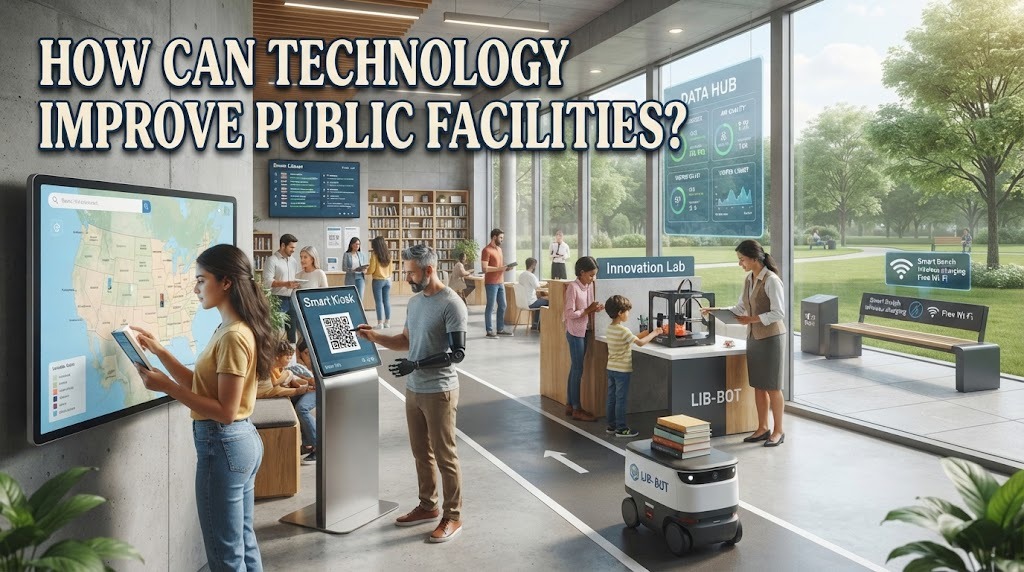
Technology has become an important part of modern public services and facilities. Digital systems, sensors, mobile applications, and automated equipment can help cities manage public facilities more effectively. Technology can improve the way people access services, receive information, and report problems. It can also support safety, efficiency, accessibility, and maintenance. When used properly, technology can make public facilities more useful and convenient for communities.
IMPROVING ACCESS TO PUBLIC SERVICES
Technology can make public services easier to access without requiring people to visit a facility in person. Websites, mobile applications, and digital service platforms can provide information and allow people to complete certain services online. For example, residents may be able to check schedules, submit forms, or receive service information digitally. This can save time and reduce unnecessary trips. Digital access can make public services more convenient and efficient.
MAKING TRANSPORTATION MORE EFFICIENT
Technology can improve public transportation through real-time information, digital ticketing, and route management systems. Passengers can use applications or electronic displays to check schedules and receive information about arrivals. Digital payment systems can also make ticket purchases faster and easier. Transportation operators can use data to understand travel patterns and manage services more effectively. These technologies can support better public transportation experiences.
IMPROVING PUBLIC SAFETY
Technology can help improve safety in different public spaces. Security cameras, emergency communication systems, smart lighting, and alert systems can support monitoring and emergency responses. Smart lighting can adjust according to conditions in some environments, helping improve visibility when needed. Emergency systems can also provide people with faster ways to request assistance. However, technology should be managed responsibly, especially when systems involve personal or sensitive information.
SUPPORTING FACILITY MAINTENANCE
Technology can help facility managers identify maintenance problems more efficiently. Sensors and monitoring systems can detect issues such as equipment failures, unusual water use, or changes in facility conditions. Digital maintenance records can help managers track repairs and plan regular inspections. Finding problems earlier can reduce the risk of serious damage and unexpected service interruptions. This can help public facilities remain functional and well maintained.
IMPROVING CLEANLINESS
Technology can also support cleanliness in public facilities. Smart waste bins can provide information when they are becoming full, helping waste collection teams plan their routes. Cleaning teams can use digital systems to record schedules and report areas that need attention. Some facilities can also use sensors to monitor certain environmental conditions. These tools can help make public cleanliness management more organized.
SUPPORTING ACCESSIBILITY
Modern technology can make public facilities easier to use for people with different needs. Audio announcements, digital displays, tactile systems, and accessible digital services can provide useful information in different forms. Technology can also support navigation and communication for people with disabilities. When combined with suitable physical design, these tools can reduce barriers in public spaces. This helps create more inclusive public facilities.
PROVIDING BETTER PUBLIC INFORMATION
People need accurate information when using public facilities. Digital signs, mobile applications, websites, and electronic information boards can provide updates about transportation, schedules, closures, emergencies, and other services. Information can be updated more quickly than traditional printed notices. This helps users make better decisions about their activities. Clear digital information can also reduce confusion in busy public spaces.
ENCOURAGING COMMUNITY PARTICIPATION
Technology can give residents easier ways to communicate with public service providers. People may use online reporting systems to submit complaints, report damaged facilities, or provide suggestions. Digital feedback can help managers identify problems that may not be immediately visible during routine inspections. Public authorities can also use feedback to understand community needs. This creates opportunities for greater community participation in improving public facilities.
REDUCING OPERATIONAL COSTS
Technology can improve efficiency by helping managers use resources more carefully. Automated systems and digital monitoring can reduce unnecessary energy use, improve maintenance planning, and support more efficient operations. For example, smart lighting and energy management systems can help control electricity consumption in suitable facilities. Digital records can also reduce the need for excessive paperwork. However, technology requires proper planning, investment, maintenance, and staff training to provide long-term benefits.
CONCLUSION
Technology can improve public facilities in many ways. Digital services, smart transportation systems, monitoring tools, accessibility features, and online reporting platforms can make public facilities more efficient and easier to use. Technology can also support safety, cleanliness, maintenance, and community participation. However, digital systems should be designed with security, accessibility, reliability, and user needs in mind. With proper planning and management, technology can help create public facilities that better support modern communities.
Tentang Penulis
Gusti Ayu Tita P
Penulis — Universitas STEKOM
Penulis aktif yang berfokus pada isu-isu akademik, teknologi pendidikan, dan pengembangan sumber daya manusia di lingkungan kampus.



