
How Can Technology Support Disaster Evacuation Efforts?
Gusti Ayu Tita P
19 September 2026
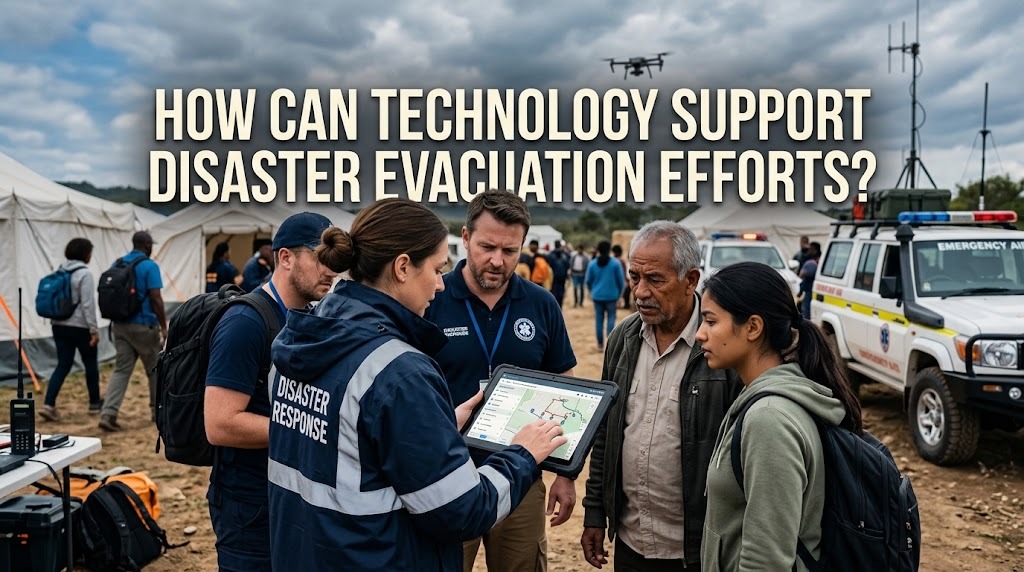
Technology plays an important role in helping people prepare for and respond to disasters. During an emergency, digital tools, communication systems, maps, and warning technologies can provide information that helps people make safer decisions. Technology can also help emergency services communicate with communities and coordinate evacuation efforts. However, technology should support official emergency procedures rather than replace them.
Different technologies can be useful before, during, and after a disaster. Early warnings can give people more time to prepare, while digital maps can help them understand evacuation routes. Communication tools can also help families stay connected when they are separated. Understanding how these technologies work can improve overall disaster preparedness.
PROVIDE EARLY WARNING INFORMATION
One of the most important uses of technology is providing early disaster warnings. Authorities can use mobile alerts, sirens, websites, radio systems, and other communication channels to inform people about dangerous conditions. Early information can give residents additional time to prepare and evacuate when necessary.
Warning systems can be especially useful for hazards that may develop quickly, such as floods, earthquakes, tsunamis, and severe weather. People should pay attention to official alerts and understand what actions are recommended. Receiving a warning is only useful if people respond appropriately and follow trusted instructions.
SUPPORT EVACUATION ROUTE PLANNING
Digital maps and navigation applications can help people identify roads, evacuation centers, assembly points, and alternative routes. Before a disaster, people can use maps to become familiar with the area around their homes, schools, or workplaces. This can make it easier to understand where they should go during an emergency.
However, digital navigation should not be followed blindly during a disaster. Roads may become blocked by flooding, landslides, fires, or damaged infrastructure. People should prioritize official evacuation routes and emergency instructions over directions from an ordinary navigation application when the two differ.
IMPROVE EMERGENCY COMMUNICATION
Communication technology allows authorities to share important information with large numbers of people. Mobile phones, emergency alerts, radio, websites, and social media channels can be used to provide updates about evacuation orders, road closures, shelters, and changing conditions.
Technology can also help families communicate during an evacuation. People can send their location or inform relatives that they have reached a safe place when communication services are available. However, communication networks may become overloaded or unavailable, so families should also have a backup communication plan.
HELP EMERGENCY SERVICES COORDINATE RESPONSE
Technology can help emergency services collect and organize information during a disaster. Digital systems may provide information about affected areas, evacuation centers, road conditions, and requests for assistance. This information can support emergency response coordination and help authorities understand where resources are needed.
Emergency teams can also use communication systems to coordinate their activities. When information is shared efficiently, different teams can work together more effectively. However, emergency decisions should be based on reliable information and trained personnel, especially when conditions are changing rapidly.
SUPPORT PEOPLE WITH SPECIAL NEEDS
Technology can also make evacuation information more accessible to children, elderly people, people with disabilities, and others who need additional support. Accessible communication tools may provide information through different formats, such as text, audio, or visual alerts.
Families can use technology to store important information about emergency contacts, medical needs, and evacuation plans. However, personal information should be protected and only shared when necessary. Technology should make emergency communication easier without creating additional privacy or safety risks.
HELP PEOPLE VERIFY INFORMATION
During disasters, false information can spread quickly through social media and messaging applications. Technology can therefore be useful not only for receiving information but also for checking whether information is reliable. People should compare emergency information with announcements from official authorities and trusted emergency organizations.
Before sharing an emergency message, check its source and publication time. Old information may no longer reflect current conditions. Reliable information can prevent unnecessary panic and help people make better decisions during evacuation.
SUPPORT DISASTER PREPAREDNESS
Technology can also help people prepare before a disaster occurs. Families can store digital copies of important documents, save emergency contact numbers, study digital maps, and set up emergency alerts. Schools and workplaces can use digital tools to share evacuation procedures and conduct preparedness exercises.
People should not depend entirely on electronic devices, however. Power outages, damaged networks, or limited internet access can make technology unavailable during a disaster. Keeping a flashlight, printed emergency contacts, physical maps when appropriate, and other basic supplies can provide useful alternatives.
CONCLUSION
Technology can support disaster evacuation by providing early warnings, evacuation information, communication, route planning, and emergency coordination. Digital tools can help people receive information quickly and understand where they should go during an emergency. At the same time, technology has limitations because electricity, internet connections, and communication networks may fail. The safest approach is to combine technology with official instructions, emergency planning, reliable information, and practical preparedness.
Tentang Penulis
Gusti Ayu Tita P
Penulis — Universitas STEKOM
Penulis aktif yang berfokus pada isu-isu akademik, teknologi pendidikan, dan pengembangan sumber daya manusia di lingkungan kampus.



