
How Can Technology Support Security at a Neighborhood Watch Post?
Gusti Ayu Tita P
18 September 2026
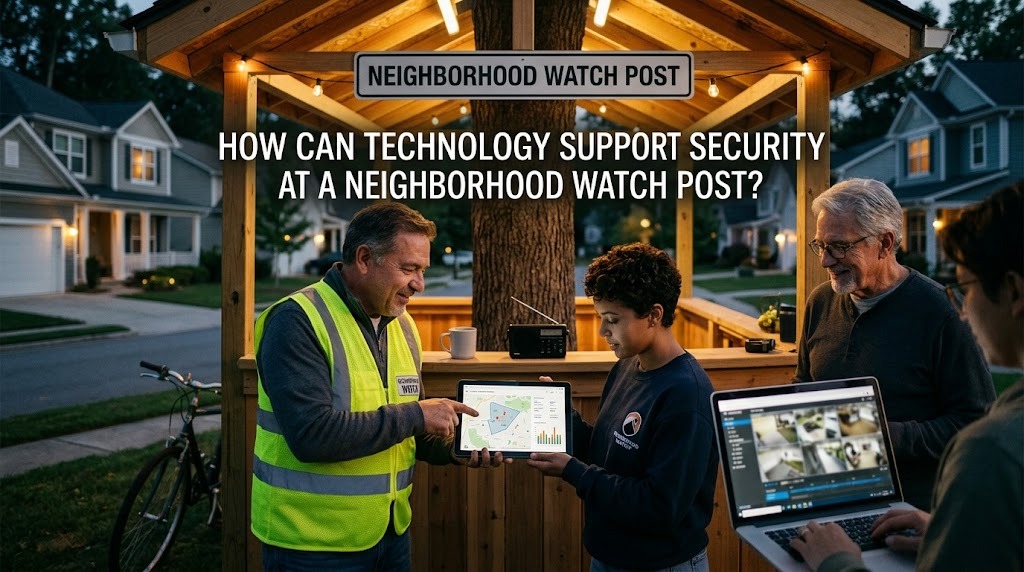
Technology has become an important part of modern community security. A neighborhood watch post can use technology to improve communication, monitor local conditions, and organize security activities more efficiently. Simple digital tools can help residents share information quickly when there is an unusual situation in their neighborhood. When used responsibly, technology can support traditional community watch activities without replacing cooperation between residents.
The use of technology should be adapted to the needs and resources of each community. A neighborhood does not always need expensive security systems to improve safety. Simple cameras, lighting, communication applications, and emergency contacts can already provide useful support. The most important factor is making sure that residents understand how to use these tools responsibly and safely.
USING SECURITY CAMERAS FOR COMMUNITY MONITORING
Security cameras can help residents monitor important areas around a neighborhood watch post and other public locations. Cameras may be placed in appropriate areas such as entrances, parking spaces, or locations where security concerns have previously occurred. Their presence can improve awareness of activities in the surrounding environment. However, camera placement should respect privacy and local regulations.
Security cameras should not be considered a complete solution for preventing crime. Residents still need to remain aware of their surroundings and communicate with the appropriate authorities when serious incidents occur. Camera recordings may also provide useful information after an incident, depending on applicable rules and access policies. Communities should establish clear guidelines regarding who can access recordings and how long information is stored.
IMPROVING COMMUNICATION THROUGH DIGITAL TOOLS
Technology can make communication between residents faster and more organized. A community can use group messaging applications to share information about patrol schedules, safety concerns, or important announcements. Residents who cannot be physically present at the watch post can still receive relevant updates. This can make community coordination more efficient.
Digital communication should be used carefully to prevent false information and unnecessary panic. Residents should verify important information before sharing it with others. Personal information, photographs, or reports about suspected individuals should not be distributed carelessly. Responsible communication helps maintain trust and prevents technology from creating additional problems.
USING SMART LIGHTING AND EMERGENCY DEVICES
Good lighting is an important part of a safe neighborhood environment. Motion sensor lights and automatic lighting systems can help illuminate areas around a neighborhood watch post, pathways, and other suitable locations. Better visibility can make it easier for residents to observe their surroundings at night. Energy-efficient lighting can also help communities manage electricity use.
Communities can also consider simple emergency communication devices where appropriate. These may include alarms, emergency contact systems, or communication equipment that allows residents to request assistance. Such tools should be tested regularly to make sure they work when needed. Residents should also know which emergency services or local authorities should be contacted during different situations.
ORGANIZING PATROLS WITH DIGITAL TECHNOLOGY
Digital tools can make neighborhood patrol schedules easier to manage. Residents can use online calendars, shared schedules, or community applications to organize shifts and record participation. This can reduce confusion about who is responsible for a particular patrol period. It can also help distribute responsibilities more fairly among residents.
Technology can also support basic activity records. Communities may record patrol times, general observations, or maintenance issues using suitable digital systems. These records can help identify recurring problems and support discussions about improvements. However, communities should avoid collecting unnecessary personal information and should protect any data that is stored.
PROTECTING PRIVACY AND USING TECHNOLOGY RESPONSIBLY
Technology can improve community security, but it also creates privacy and data protection responsibilities. Cameras, digital records, and messaging platforms may contain information about residents and other people. Communities should establish clear rules about who is allowed to access security information. Personal data should only be collected and shared when there is a legitimate reason.
Residents should also understand that technology does not give them unlimited authority to monitor other people. The purpose of neighborhood security technology should be prevention, awareness, and responsible reporting. If a serious crime or emergency occurs, residents should contact the appropriate authorities rather than attempting to investigate or confront someone themselves. Responsible use can help technology support safety while maintaining community trust.
CONCLUSION
Technology can support security at a neighborhood watch post by improving monitoring, communication, lighting, patrol organization, and emergency response. Security cameras can provide additional observation, while digital communication tools can help residents exchange important information quickly. Smart lighting and emergency devices can also improve visibility and communication in suitable areas.
However, technology works best when combined with active resident participation and clear community rules. Communities should protect privacy, verify information, maintain security equipment, and use digital tools responsibly. With the right balance between technology and human cooperation, a neighborhood watch post can become more organized and better prepared to support a safer community.
Tentang Penulis
Gusti Ayu Tita P
Penulis — Universitas STEKOM
Penulis aktif yang berfokus pada isu-isu akademik, teknologi pendidikan, dan pengembangan sumber daya manusia di lingkungan kampus.



