How Can Understanding Your Inner Child Help You Know Yourself Better?
Gusti Ayu Tita P
11 September 2026
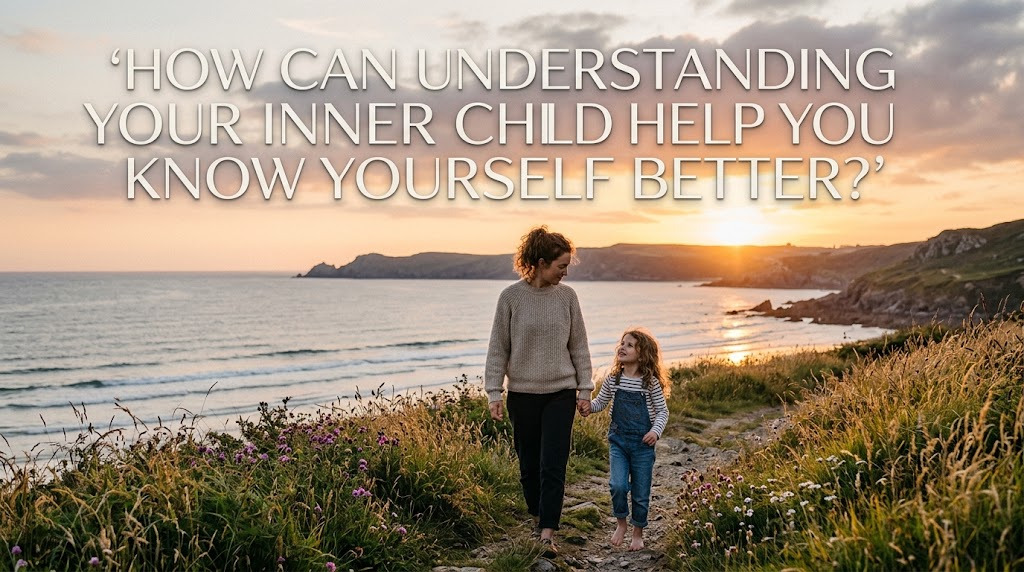
Understanding the inner child can be one way to learn more about your emotions, memories, needs, and personal patterns. The term is commonly used as a psychological concept to describe aspects of childhood experiences that may remain meaningful later in life. It is not a medical diagnosis, and understanding the inner child should not be treated as a way to explain every difficulty a person experiences.
Reflecting on childhood can help people notice connections between past experiences and present thoughts or feelings. At the same time, personality, current circumstances, relationships, and later experiences also contribute to personal development. A balanced approach can make self awareness more useful without placing all responsibility on the past.
RECOGNIZE EXPERIENCES THAT HELPED SHAPE YOU
Childhood includes many experiences that can influence how people understand themselves and others. Family relationships, school experiences, friendships, encouragement, criticism, and opportunities to make decisions can all contribute to personal development. Some experiences may become important memories that influence how a person approaches similar situations later.
Thinking about these experiences does not mean judging the past or searching for something negative. Positive memories can also be valuable because they may reveal sources of confidence, comfort, curiosity, or motivation. Recognizing different experiences can provide a broader understanding of how your personality and perspectives have developed.
NOTICE YOUR EMOTIONAL AND BEHAVIORAL PATTERNS
Understanding the inner child can encourage you to pay attention to emotions and behaviors that appear repeatedly. For example, you might notice that certain situations make you unusually nervous, frustrated, or uncomfortable. These reactions can have many possible causes, but identifying when they occur can provide useful information about yourself.
A simple way to explore these patterns is through self reflection. You can consider what happened, what you felt, what you thought, and how you responded. This process can help you recognize habits without immediately labeling them as problems or assuming they are caused by childhood.
UNDERSTAND YOUR NEEDS MORE CLEARLY
People have different emotional and practical needs, and understanding these needs can improve self-knowledge. Someone may need more rest, personal space, encouragement, connection, or opportunities to express themselves. Childhood experiences may sometimes influence how easily a person recognizes or communicates these needs.
Learning to identify your needs can support healthier decision-making. Instead of automatically ignoring discomfort or trying to satisfy everyone around you, you can consider what is appropriate for your current situation. Developing emotional awareness can make it easier to understand what your feelings may be communicating.
LEARN TO ACCEPT YOURSELF AND YOUR PAST
Self-knowledge also involves accepting that everyone has experiences they may remember positively, negatively, or with mixed emotions. Accepting your past does not mean approving of everything that happened. It means recognizing that these experiences are part of your history while understanding that you can continue to grow.
Self acceptance can help reduce unnecessary judgment toward yourself. You can acknowledge weaknesses while also recognizing your strengths and progress. This balanced perspective allows you to understand yourself without becoming defined by a particular experience from childhood.
USE INNER CHILD AWARENESS FOR PERSONAL GROWTH
Understanding the inner child can be useful when it leads to healthier choices in the present. If you recognize a recurring emotional pattern, you can consider whether your current response is helpful and what alternative response might be more appropriate. The goal is not to change everything at once but to develop greater awareness gradually.
Personal growth can involve learning new communication skills, setting reasonable boundaries, managing emotions, and building supportive relationships. If certain emotional experiences become difficult to manage, talking with a trusted adult or qualified mental health professional can provide appropriate support. Using inner child awareness in this way can become a tool for understanding yourself rather than a reason to blame your past.
CONCLUSION
Understanding your inner child can help you know yourself better by encouraging reflection on childhood experiences, emotional patterns, personal needs, and self-perception. It can provide another perspective for understanding why certain thoughts or reactions may appear. However, childhood is only one influence among many, and people continue to change through experiences throughout life.
The most useful approach is to combine self awareness, emotional awareness, and self acceptance with a focus on the present. Instead of becoming overly focused on the past, use what you learn to make healthier choices and understand your needs more clearly. This balanced process can support personal growth and a deeper understanding of yourself.
Tentang Penulis
Gusti Ayu Tita P
Penulis — Universitas STEKOM
Penulis aktif yang berfokus pada isu-isu akademik, teknologi pendidikan, dan pengembangan sumber daya manusia di lingkungan kampus.