How Can You Avoid Unnecessary Consumer Debt?
Gusti Ayu Tita P
9 Oktober 2026
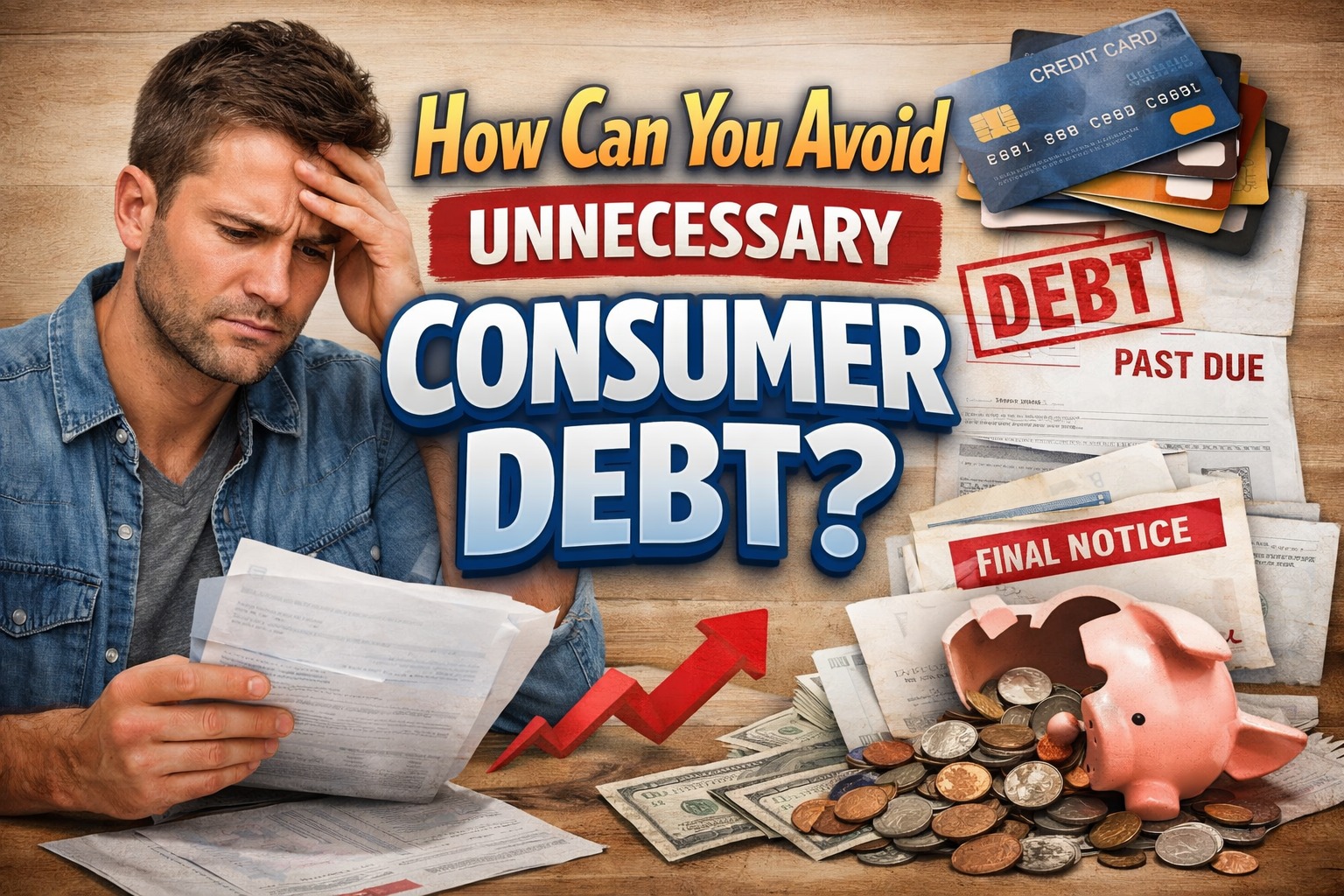
Consumer debt has become increasingly common as credit cards, buy now pay later services, and easy financing options make spending more convenient than ever. While borrowing can be useful for important needs, unnecessary debt often results from impulse purchases, poor budgeting, and a lack of financial planning. Over time, excessive debt can create stress, reduce financial flexibility, and make it difficult to achieve long-term goals. Understanding how to manage spending wisely is the first step toward maintaining a healthy financial life. By developing smart financial habits, anyone can reduce the risk of unnecessary consumer debt.
UNDERSTAND THE DIFFERENCE BETWEEN NEEDS AND WANTS
One of the most effective ways to avoid unnecessary consumer debt is by clearly separating essential needs from personal wants. Needs include items such as food, housing, healthcare, transportation, and utilities, while wants are products or services that improve comfort but are not necessary for daily living. Before making any purchase, ask yourself whether the item supports your basic needs or simply satisfies a temporary desire. This simple habit helps reduce unnecessary spending.
Many people accumulate debt because they frequently purchase products based on emotions rather than actual necessity. Impulse buying often creates short-term satisfaction but leads to long-term financial obligations. Waiting at least 24 hours before buying non-essential items can help you make more rational decisions. This strategy allows you to evaluate whether the purchase is truly worth the cost.
CREATE AND FOLLOW A REALISTIC BUDGET
A monthly budget provides a clear picture of your income, expenses, and available savings. By tracking where your money goes, you can identify spending habits that may lead to unnecessary debt. Allocate funds for fixed expenses, variable expenses, savings, and emergency needs before spending on entertainment or luxury items. A well-planned budget creates financial discipline.
Review your budget regularly and adjust it whenever your income or expenses change. Using budgeting apps or simple spreadsheets can make financial tracking much easier. Staying within your planned spending limits reduces the temptation to rely on credit cards for everyday purchases. Consistency is the key to successful budgeting.
USE CREDIT RESPONSIBLY
Credit cards are useful financial tools when managed properly, but they can become dangerous if used carelessly. Only charge purchases that you can confidently repay in full before the due date. Paying the full balance every month helps avoid high interest charges and prevents debt from growing unnecessarily. Responsible credit use also supports a healthy credit history.
Avoid treating available credit as extra income. Credit represents borrowed money that must eventually be repaid, often with additional costs. Limiting the number of active credit accounts can also make financial management simpler. Always understand the terms, interest rates, and repayment conditions before accepting any credit offer.
BUILD AN EMERGENCY SAVINGS FUND
Unexpected events such as medical emergencies, vehicle repairs, or temporary job loss often force people to borrow money. Establishing an emergency fund provides financial protection during these situations. Financial experts commonly recommend saving enough to cover three to six months of essential living expenses. Even small, regular contributions can gradually build a meaningful safety net.
Having emergency savings reduces dependence on high-interest loans and credit cards during financial difficulties. Set up automatic transfers into a dedicated savings account whenever possible. Treat emergency savings as a financial priority rather than an optional goal. Over time, this habit significantly strengthens financial security.
DEVELOP SMART SPENDING HABITS
Practicing mindful spending helps prevent unnecessary purchases and encourages better financial decisions. Compare prices, research products, and look for discounts before making significant purchases. Shopping with a prepared list also reduces impulse buying and unnecessary expenses. These simple habits lead to better control over personal finances.
Avoid shopping simply because of sales or promotional advertisements. A discounted product is not a bargain if you never truly needed it. Focus on long-term financial goals rather than temporary satisfaction from buying new items. Smart spending allows your money to support your priorities instead of creating unnecessary debt.
CONCLUSION
Avoiding unnecessary consumer debt requires financial discipline, careful planning, and consistent decision-making. By distinguishing needs from wants, maintaining a realistic budget, using credit responsibly, building emergency savings, and practicing smart spending habits, you can greatly reduce financial risk. These strategies not only protect your finances but also provide greater peace of mind and long-term financial stability. Small financial improvements made consistently today can create a stronger and more secure future tomorrow.
Tentang Penulis
Gusti Ayu Tita P
Penulis — Universitas STEKOM
Penulis aktif yang berfokus pada isu-isu akademik, teknologi pendidikan, dan pengembangan sumber daya manusia di lingkungan kampus.