What Is a College Drop Out and Why Does It Happen?
Gusti Ayu Tita P
9 Oktober 2026
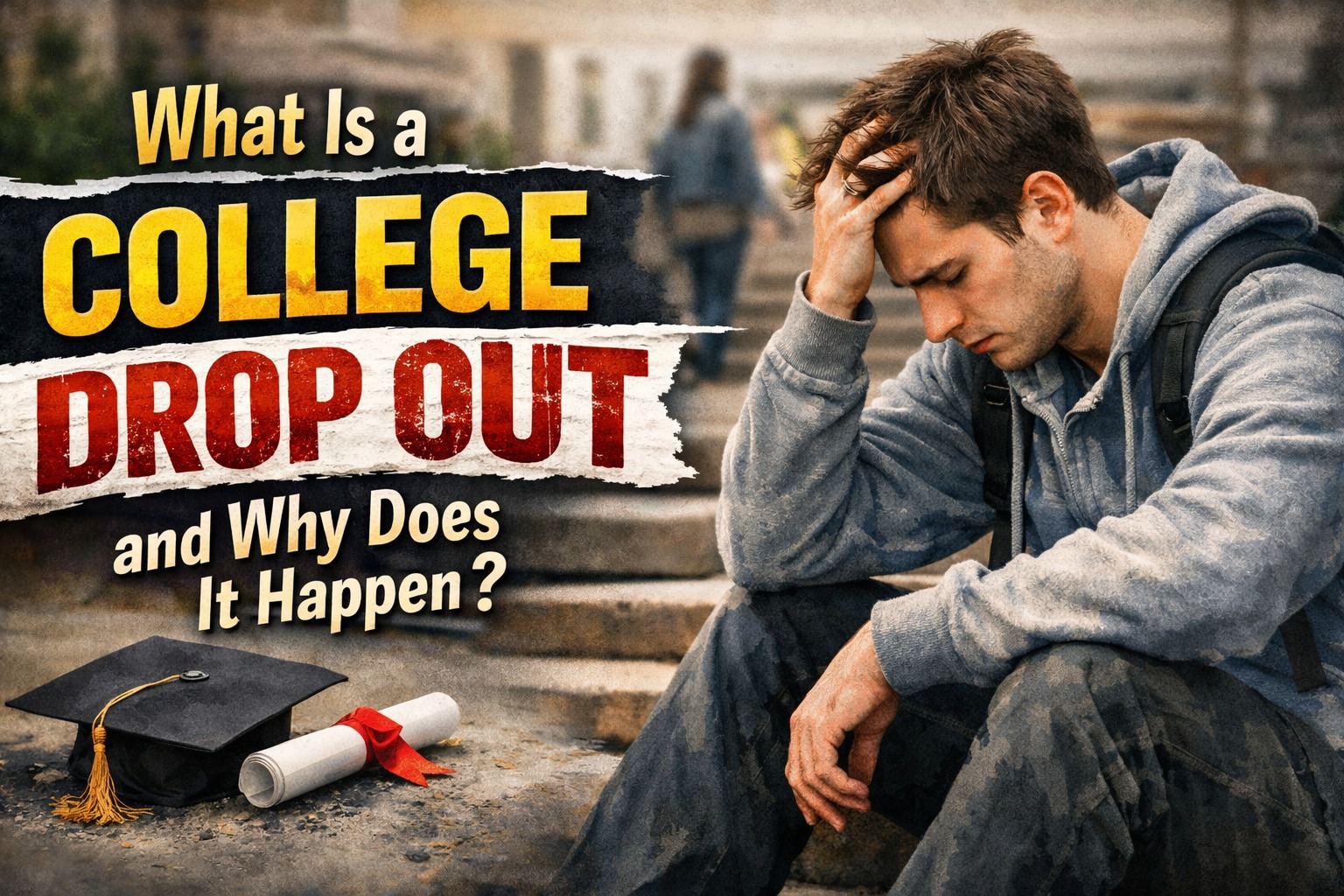
Higher education is often viewed as a gateway to better career opportunities and personal development. However, not every student completes their academic journey successfully. A college drop out refers to a student who leaves college or university before earning a degree, whether voluntarily or due to unavoidable circumstances. Understanding the reasons behind this decision is essential for students, parents, educators, and policymakers who aim to reduce dropout rates and improve educational success.
WHAT IS A COLLEGE DROP OUT?
A college drop out is an individual who discontinues their studies before completing the required academic program. This decision can occur at any stage of higher education and may be temporary or permanent depending on personal circumstances. While some students later return to finish their education, many choose different career paths or vocational opportunities instead. The term itself does not necessarily indicate failure, as people leave college for a wide range of reasons.
In many cases, dropping out results from a combination of academic, financial, and personal challenges rather than a single event. Some students discover that their chosen major does not align with their interests or career goals. Others may face unexpected life events that make continuing their studies difficult. Recognizing these factors helps create a more balanced understanding of why students leave college.
COMMON REASONS STUDENTS DROP OUT
Financial difficulties remain one of the leading causes of college dropout worldwide. Tuition fees, living expenses, textbooks, and transportation costs can place significant pressure on students and their families. Even with scholarships or financial aid, unexpected economic hardships may force students to pause or end their education.
Another major factor is academic pressure. Students may struggle to keep up with coursework, examinations, or demanding schedules, especially when balancing part-time jobs or family responsibilities. Lack of motivation, poor time management, and insufficient academic preparation can also contribute to the decision to leave college before graduation.
PERSONAL AND SOCIAL FACTORS
Personal circumstances often have a strong influence on educational outcomes. Mental health challenges, family obligations, medical conditions, or caregiving responsibilities may reduce a student's ability to focus on academic success. Stress and burnout can gradually affect performance and overall well-being if not addressed properly.
Social factors also play an important role. Some students experience difficulties adapting to campus life, building friendships, or feeling connected to their institution. Limited support networks and feelings of isolation may reduce engagement and increase the likelihood of leaving college prematurely.
THE IMPACT OF DROPPING OUT OF COLLEGE
Leaving college without a degree can create challenges in the job market because certain careers require formal qualifications. Graduates often have access to broader employment opportunities and may qualify for positions with higher earning potential. Nevertheless, career success depends on many factors, including skills, experience, determination, and continuous learning.
At the same time, dropping out does not automatically prevent someone from achieving success. Many individuals pursue entrepreneurship, technical training, certifications, or self-directed learning that leads to rewarding careers. The long-term outcome often depends on how effectively a person adapts and develops valuable competencies after leaving college.
HOW STUDENTS CAN REDUCE THE RISK OF DROPPING OUT?
Students can lower the risk of dropping out by creating realistic academic plans and seeking assistance when challenges arise. Developing effective study habits, maintaining healthy routines, and communicating with professors or advisors can improve academic performance. Early intervention often prevents small problems from becoming major obstacles.
Financial planning is equally important. Exploring scholarships, grants, part-time employment, and budgeting strategies may reduce economic stress during college. Building a reliable support system through family, friends, mentors, and campus resources also helps students remain motivated and resilient throughout their educational journey.
CONCLUSION
A college drop out is someone who leaves higher education before completing a degree, often due to a combination of financial, academic, personal, or social factors. Understanding these causes allows institutions and students to develop strategies that encourage persistence and long-term success. Although dropping out can present challenges, it does not define a person's future or potential. With careful planning, continuous learning, and strong determination, individuals can still pursue meaningful careers and personal growth.
Tentang Penulis
Gusti Ayu Tita P
Penulis — Universitas STEKOM
Penulis aktif yang berfokus pada isu-isu akademik, teknologi pendidikan, dan pengembangan sumber daya manusia di lingkungan kampus.