How Engineering Students Can Prepare for Modern Industry Challenges?
Gusti Ayu Tita P
9 Oktober 2026
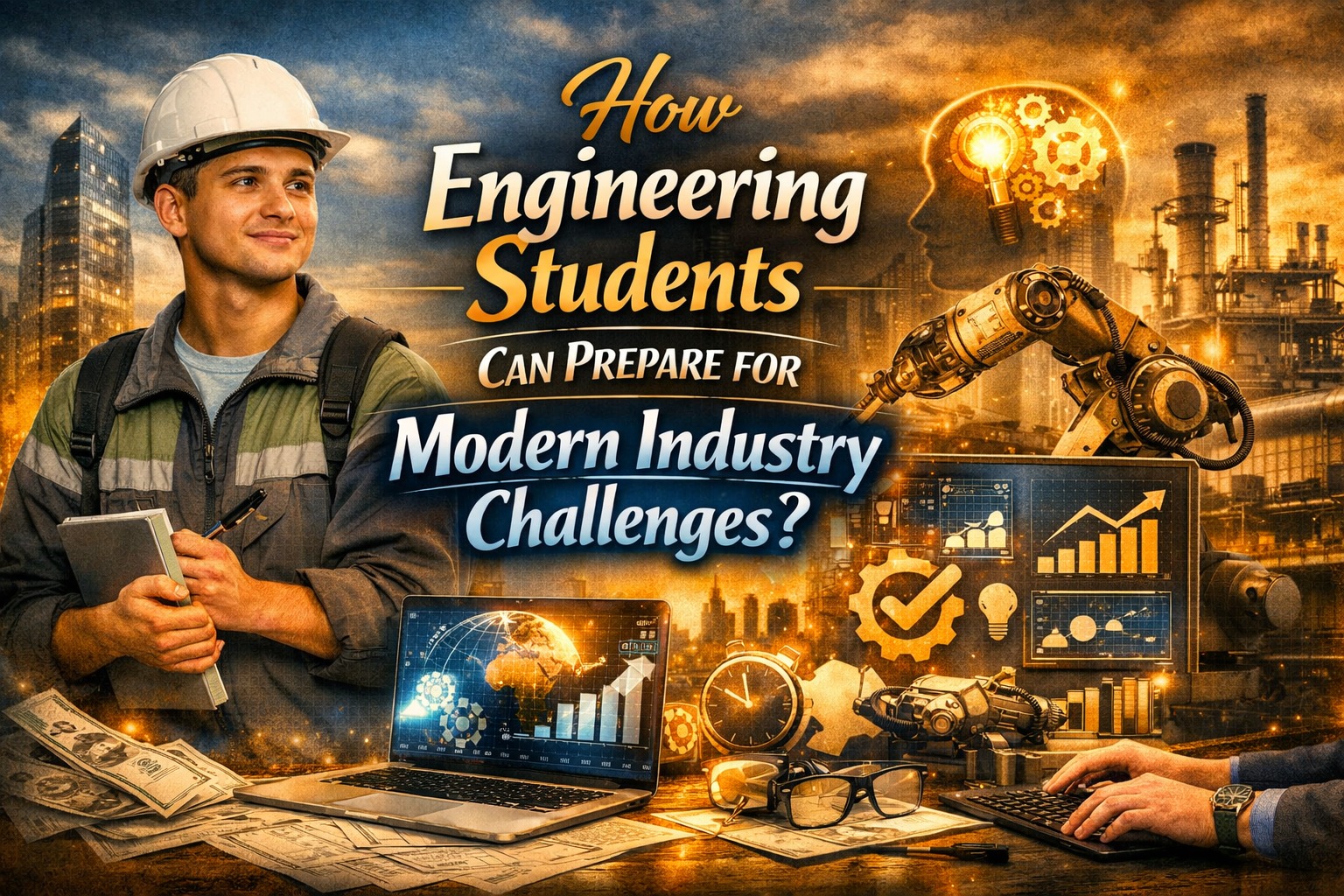
The rapid growth of technology has transformed the way industries operate around the world. Companies are now seeking engineering students who possess not only strong academic knowledge but also practical experience, adaptability, and innovative thinking. The emergence of Industry 4.0, automation, and digital transformation has created new opportunities as well as new challenges for future engineers. Therefore, students must prepare themselves with the right competencies before entering the workforce. By developing both technical and professional skills, engineering graduates can remain competitive in today's dynamic industrial environment.
BUILD A STRONG FOUNDATION IN ENGINEERING KNOWLEDGE
Every successful engineer begins with a solid understanding of engineering fundamentals. Core concepts in mathematics, science, and engineering principles provide the foundation for solving complex technical problems. Students who master these subjects can adapt more easily to new technologies and engineering methods introduced by modern industries. A strong academic background also improves confidence when handling real-world engineering projects.
However, theoretical knowledge should always be combined with practical application. Participating in laboratory activities, engineering design projects, and technical workshops allows students to strengthen their understanding. Continuous learning, critical thinking, and problem-solving skills are essential qualities that employers consistently value.
GAIN PRACTICAL EXPERIENCE THROUGH INDUSTRY EXPOSURE
One of the most effective ways to prepare for industrial challenges is by gaining hands-on experience. Engineering students should actively participate in internships, industrial visits, research programs, and collaborative engineering projects. These activities provide valuable insight into workplace expectations while improving technical competence. Employers often prefer graduates who already understand professional work environments.
Practical experience also helps students build an impressive portfolio that demonstrates their abilities. Completing real engineering projects develops confidence, technical accuracy, and decision-making skills. The combination of academic achievement and industry experience significantly increases employability after graduation.
MASTER DIGITAL TECHNOLOGIES AND EMERGING TOOLS
Modern industries rely heavily on digital technology to improve productivity and efficiency. Engineering students should become familiar with technologies such as Artificial Intelligence, Internet of Things, cloud computing, automation, and data analytics. Learning engineering software and digital platforms prepares students to meet current industry standards. Staying updated with technological trends is essential for long-term career success.
Students should also embrace innovation by exploring new ideas and participating in technology-based competitions or research activities. Developing the ability to adapt to technological changes enables future engineers to solve complex industrial challenges more effectively. Innovation remains one of the most valuable qualities in today's competitive workplace.
DEVELOP COMMUNICATION AND LEADERSHIP SKILLS
Technical expertise alone cannot guarantee professional success. Communication skills are necessary for presenting ideas, writing technical reports, discussing projects, and collaborating with multidisciplinary teams. Clear communication improves teamwork and minimizes misunderstandings during project execution. Employers highly value engineers who can explain technical concepts in a simple and professional manner.
Leadership is equally important in modern engineering careers. Taking initiative, managing responsibilities, and motivating team members prepare students for future supervisory positions. By strengthening leadership skills, engineering students become more capable of handling larger projects and making strategic decisions in professional environments.
COMMIT TO LIFELONG LEARNING AND PROFESSIONAL DEVELOPMENT
Technology continues to evolve, making lifelong learning an essential habit for engineering professionals. Students should regularly attend seminars, webinars, certification programs, and online courses to expand their knowledge and skills. Reading technical journals and following industry developments also help them stay informed about emerging technologies. Continuous education ensures that engineers remain relevant throughout their careers.
Professional development also involves building a strong network with lecturers, industry experts, and fellow engineering students. Networking creates opportunities for internships, mentorship, and future employment. A commitment to continuous improvement allows engineering graduates to adapt confidently to changing industrial demands.
CONCLUSION
Preparing for modern industry challenges requires engineering students to develop a balanced combination of technical expertise, practical experience, digital literacy, communication skills, and professional attitudes. Modern employers seek graduates who can solve problems, embrace innovation, and collaborate effectively within diverse teams. By continuously improving their competencies and staying updated with technological advancements, engineering students can build successful careers in an increasingly competitive global industry. Strong preparation today will become the foundation for long-term professional success tomorrow.
Tentang Penulis
Gusti Ayu Tita P
Penulis — Universitas STEKOM
Penulis aktif yang berfokus pada isu-isu akademik, teknologi pendidikan, dan pengembangan sumber daya manusia di lingkungan kampus.