
How Can You Become a More Responsible Adult?
Gusti Ayu Tita P
7 September 2026
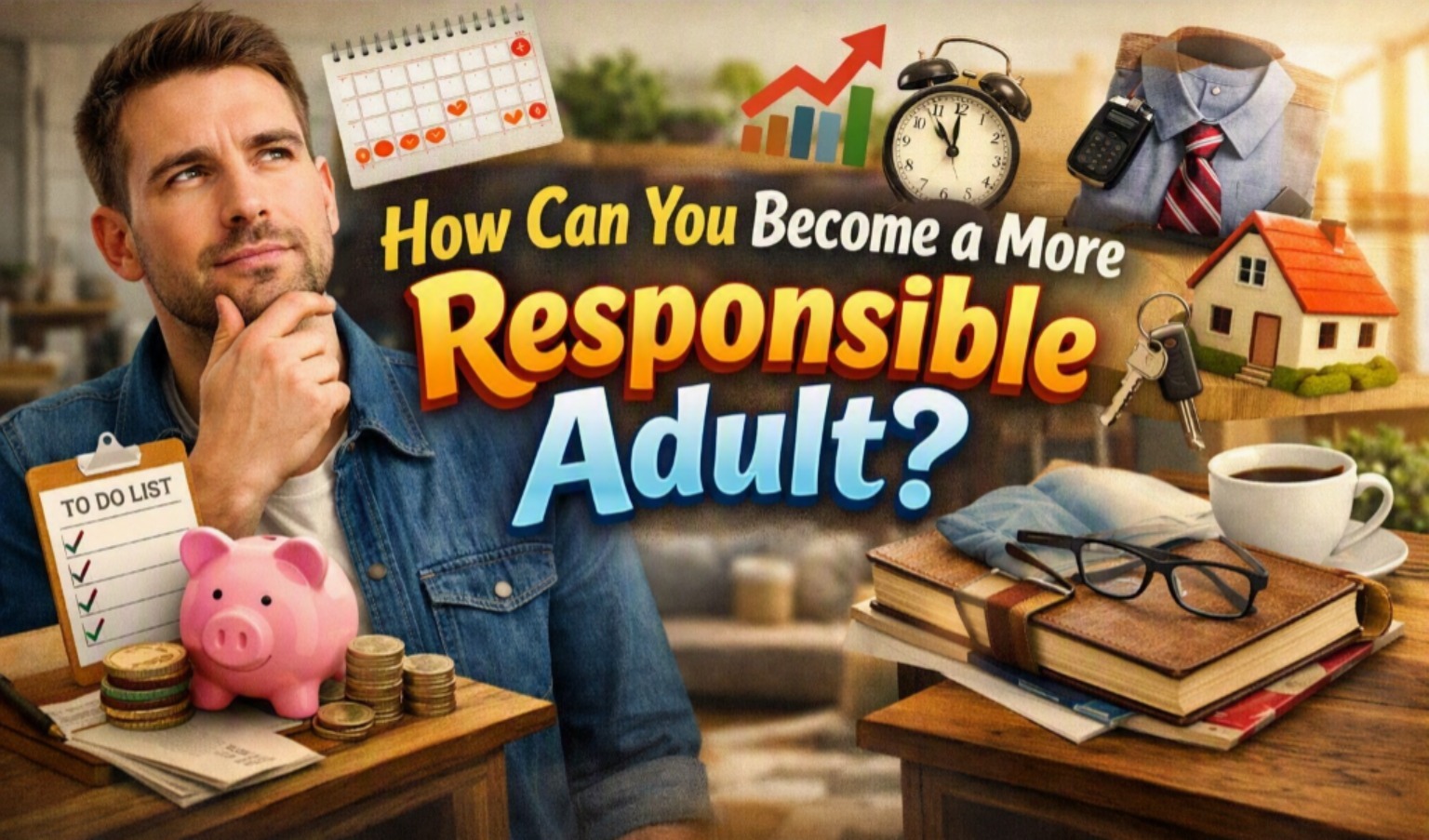
Becoming a responsible adult is not simply about getting older. It means learning how to make thoughtful decisions, fulfill obligations, manage personal resources, and understand how your actions affect other people. Adulthood often brings greater freedom, but that freedom also comes with responsibility and accountability. You may need to manage your money, career, health, relationships, household tasks, and future plans at the same time. The good news is that responsibility is a skill that can be developed gradually through consistent habits and better decision-making.
UNDERSTAND WHAT RESPONSIBILITY MEANS
A responsible adult understands that every decision can have consequences. This does not mean making perfect choices all the time, but it does mean being willing to recognize mistakes and take appropriate action. Responsibility involves keeping promises, completing important tasks, respecting other people's time, and dealing with problems instead of constantly avoiding them. It also requires knowing when you need help and being willing to ask for it. These behaviors help build trust, independence, and maturity in everyday life.
Responsibility also means thinking beyond immediate comfort. For example, spending all your money today may feel enjoyable, but saving part of your income can provide greater security later. Likewise, ignoring an important task may seem easier at first, but postponing it can create additional stress. A responsible person learns to consider short-term and long-term effects before acting. This mindset can gradually improve both personal and professional life.
LEARN TO MANAGE YOUR MONEY
Financial responsibility is one of the most important parts of adult life. Start by understanding how much money comes in each month and how much you regularly spend. Create a simple monthly budget that separates essential expenses, savings, debt payments, and personal spending. Avoid buying things simply because they are popular or because you feel pressured to keep up with other people. Learning to distinguish between needs and wants can help you make healthier financial decisions.
Saving money should also become a regular habit, even if the amount is small. An emergency fund can help you handle unexpected expenses such as repairs, temporary loss of income, or urgent needs. If you have debt, understand the repayment terms and prioritize payments according to their cost and urgency. You should also avoid relying heavily on credit for everyday expenses that you cannot afford. Good money management provides greater financial stability and independence as your responsibilities grow.
TAKE CARE OF YOUR HEALTH AND WELL BEING
Being responsible also means taking care of your physical and mental well-being. Adults often become busy with work and other obligations, but regularly ignoring rest and personal needs can make daily responsibilities harder to manage. Build healthy routines around sleep, nutrition, physical activity, and personal hygiene. Pay attention to signs that your body or mind needs rest rather than treating exhaustion as something that must always be ignored. When you have health concerns, seeking appropriate professional advice is an important part of responsible self-care.
Well-being also involves managing stress in practical ways. Make time for activities that help you relax, maintain meaningful social connections, and create reasonable boundaries between work and personal life. Avoid using unhealthy habits as your main way of coping with pressure. Learning how to recognize your limitations can prevent you from taking on more responsibilities than you can realistically handle. A healthier lifestyle can improve energy, concentration, emotional balance, and productivity.
BUILD GOOD DAILY HABITS
Small daily habits can have a significant effect on how responsible you become. Keep track of appointments, deadlines, bills, household tasks, and other important commitments. You can use a calendar, planner, or digital reminder to reduce the chance of forgetting something important. Try to complete tasks before they become urgent instead of depending on last-minute effort. A consistent routine can make responsibilities feel more manageable and reduce unnecessary stress.
Organization is especially useful when several areas of life become demanding at the same time. Keep important documents in a secure and organized place, maintain a clean living environment, and regularly review unfinished tasks. You do not need a complicated productivity system to stay organized. The most effective system is one that you can use consistently. Over time, simple routines can turn responsible behavior into a natural part of your everyday life.
BE ACCOUNTABLE FOR YOUR ACTIONS
Accountability means accepting responsibility for what you do instead of immediately blaming circumstances or other people. Everyone makes mistakes, including adults who have considerable experience. What matters is how you respond after something goes wrong. A responsible person can admit mistakes, apologize when necessary, and take corrective action. This approach helps you learn from difficult experiences instead of repeating the same problems.
Accountability is also important in relationships and at work. If you make a commitment, communicate clearly when you cannot fulfill it rather than disappearing or making excuses. If your actions hurt someone, listen to their concerns and consider what you can do differently. Taking responsibility does not mean accepting blame for things you did not cause. It means being honest about your own choices and obligations.
MAKE THOUGHTFUL DECISIONS
Responsible adulthood requires making decisions even when there is no perfect option. Before making an important choice, identify the problem, consider the available options, and think about the possible consequences. Avoid making major decisions solely because of temporary emotions or social pressure. When appropriate, gather reliable information and ask advice from people you trust. Giving yourself enough time to think can help you avoid unnecessary mistakes.
It is also important to accept that some decisions will not produce the result you expected. Instead of becoming discouraged, evaluate what happened and identify what you can learn from the experience. Good decision-making develops through experience, reflection, and continuous learning. Over time, you can become better at recognizing risks and choosing actions that support your priorities. This makes adulthood more manageable and helps you build confidence in your own judgment.
MAINTAIN HEALTHY RELATIONSHIPS
Being responsible toward other people means treating them with respect, honesty, and consideration. Good relationships require communication rather than expecting others to understand your thoughts automatically. Listen when people express their concerns, respect reasonable boundaries, and communicate your own needs clearly. You should also understand that being dependable does not mean saying yes to every request. Setting healthy boundaries can protect your time and prevent resentment.
Responsibility in relationships also means recognizing that other people have their own needs and limitations. Be willing to compromise when appropriate while still maintaining your personal values. Avoid making promises that you cannot realistically keep just to avoid disappointing someone. When disagreements happen, focus on solving the problem instead of trying to win every argument. These habits can help create stronger and more respectful relationships.
PLAN FOR YOUR FUTURE
A responsible adult does not need to have every detail of the future figured out. However, having basic goals can provide direction when making important choices. Think about your career, finances, education, relationships, and personal development and identify areas where you want to improve. Break large goals into smaller steps that can be measured and adjusted over time. Reviewing your goals regularly can help you stay focused while allowing room for unexpected changes.
Planning should also include preparation for uncertainty. Continue developing useful skills, maintain appropriate financial reserves, and avoid depending entirely on a single plan. Your priorities may change as you gain experience, and changing direction does not automatically mean failure. What matters is making decisions based on realistic goals and informed choices. A flexible plan can help you become more prepared for the opportunities and challenges that adulthood brings.
CONCLUSION
Becoming a more responsible adult is a gradual process rather than a single achievement. You can begin with simple actions such as paying bills on time, keeping your commitments, organizing your schedule, and monitoring your spending. When a problem appears, try to focus on what you can control and what action you can take. Do not expect yourself to become perfect immediately because meaningful change usually comes from repeated practice. Each responsible choice can strengthen your confidence and make future decisions easier.
Ultimately, responsibility is about becoming someone who can be trusted by yourself and by others. It involves balancing freedom with accountability and personal needs with obligations. You will make mistakes along the way, but learning from them is an essential part of becoming more mature. By developing better habits, managing your resources wisely, caring for your well-being, and planning ahead, you can gradually build a more stable adult life. The most important step is to start with small, consistent actions and continue improving over time.
Tentang Penulis
Gusti Ayu Tita P
Penulis — Universitas STEKOM
Penulis aktif yang berfokus pada isu-isu akademik, teknologi pendidikan, dan pengembangan sumber daya manusia di lingkungan kampus.















