
How Can You Become a Professional in the Education Sector?
Gusti Ayu Tita P
15 September 2026
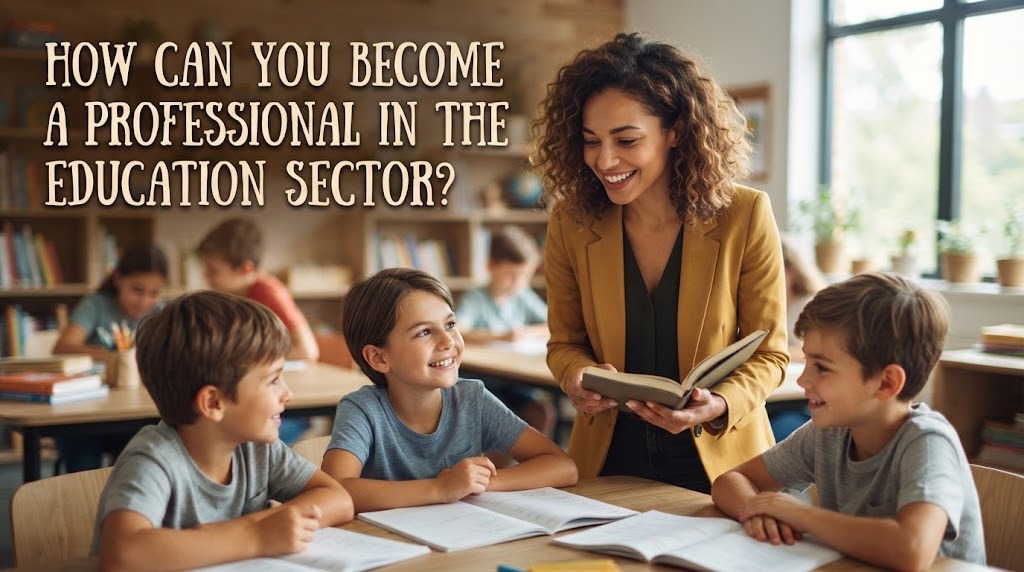
The education sector offers many career opportunities for people who are interested in teaching, administration, technology, management, and public services. Becoming a professional in this sector requires more than formal education. Individuals also need relevant skills, practical experience, strong communication, and a responsible attitude. Continuous learning is important because the education sector continues to develop.
A professional should understand their responsibilities and work according to established standards. They should also be able to adapt to changes while maintaining quality and integrity. With proper preparation and consistent development, individuals can build a meaningful and sustainable career in education.
BUILDING RELEVANT KNOWLEDGE
The first step toward becoming an education professional is developing Education Knowledge that matches the desired career field. This knowledge may include teaching methods, educational administration, management, technology, public services, or other specialized areas. Formal education can provide a strong theoretical foundation for professional development. However, learning should continue beyond the classroom.
Professionals should stay informed about developments that affect their field. Changes in educational policies, technology, and learning approaches can influence workplace responsibilities. Professional Knowledge helps individuals make better decisions and perform their duties effectively. Reading reliable resources and participating in relevant learning activities can support continuous growth.
DEVELOPING PROFESSIONAL SKILLS
Knowledge needs to be supported by practical abilities. Depending on the career, professionals may need Professional Skills such as communication, organization, problem solving, teamwork, leadership, or digital abilities. These skills help individuals handle daily responsibilities and respond to workplace challenges. Developing several complementary skills can increase career flexibility.
Skills can be improved through training, practice, projects, internships, and workplace experience. Individuals should identify their strengths and determine which areas require further development. Skill Development should be treated as an ongoing process rather than a one-time activity. Regular practice can gradually improve confidence and professional performance.
GAINING PRACTICAL EXPERIENCE
Practical experience allows individuals to apply their knowledge in real situations. Students can gain experience through internships, volunteer activities, educational organizations, projects, or other relevant opportunities. Work Experience can teach individuals how to communicate, manage responsibilities, follow procedures, and solve practical problems. It also provides an opportunity to understand the realities of working in the education sector.
Experience should be used as a learning opportunity. Individuals can evaluate their performance after completing a task and identify what they could improve. Practical Learning helps connect theoretical knowledge with workplace situations. Keeping a record of relevant projects and achievements can also support future career applications.
BUILDING PROFESSIONAL CHARACTER
Professionalism is an essential part of working in education. Employees should demonstrate Professional Character through discipline, honesty, responsibility, respect, integrity, and commitment to their duties. These qualities are important because education professionals often work with students, families, colleagues, and the wider community. Professional behavior can help create a trustworthy working environment.
Adaptability is another important quality. Education professionals may face new technologies, changing policies, different student needs, and evolving workplace expectations. Professional Attitude helps individuals respond to changes without losing responsibility and work quality. A willingness to learn from feedback can also support long-term professional growth.
BUILDING A CAREER PLAN
A clear career plan can help individuals make purposeful decisions about their future. They should identify their interests, strengths, desired position, and qualifications needed for the chosen field. Career Planning can help organize education, training, experience, and skill development according to professional goals. A realistic plan can also make it easier to measure progress.
Career planning should remain flexible because opportunities and workplace requirements can change. Individuals can review their goals periodically and adjust them when necessary. Career Development may involve additional education, professional training, certifications, networking, or increased responsibilities. Consistent preparation can create stronger opportunities for long-term career growth.
CONCLUSION
Becoming a professional in the education sector requires Education Knowledge, Professional Skills, Work Experience, Professional Character, and Career Planning. Formal education provides an important foundation, while practical experience helps individuals apply their knowledge effectively. Communication, digital abilities, teamwork, and problem solving can strengthen professional performance. A responsible attitude and willingness to continue learning are also essential for adapting to changes in education. With consistent development and clear career goals, individuals can build a professional and meaningful career in the education sector.
Tentang Penulis
Gusti Ayu Tita P
Penulis — Universitas STEKOM
Penulis aktif yang berfokus pada isu-isu akademik, teknologi pendidikan, dan pengembangan sumber daya manusia di lingkungan kampus.



