How Can You Build a Career in Education Administration?
Gusti Ayu Tita P
15 September 2026
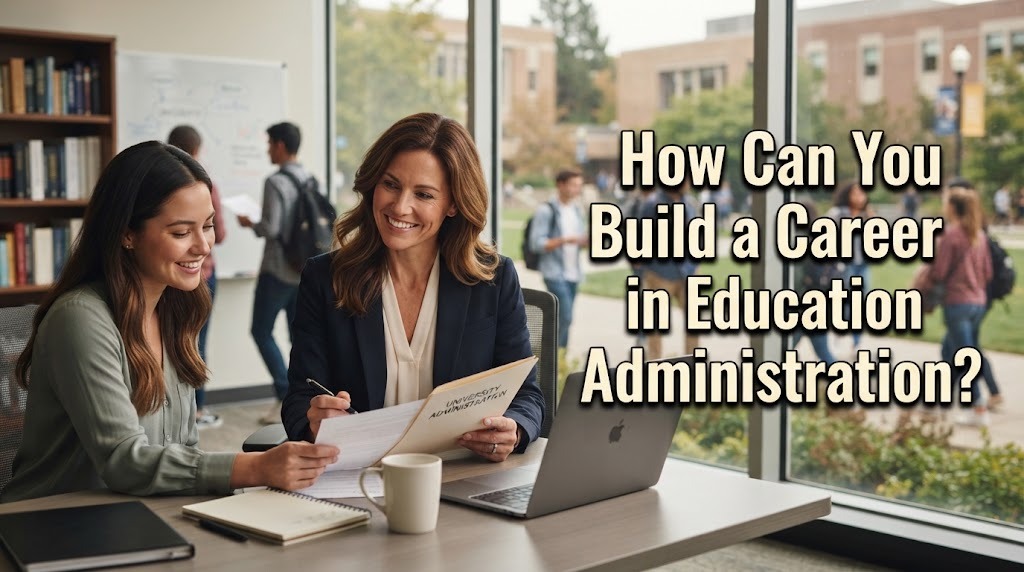
Education administration is an important field that supports the organization and delivery of educational services. Administrative professionals can work with documents, data, programs, communication, and public services. Their work helps schools and education institutions operate in an organized and efficient way. Building a career in this field requires appropriate knowledge, practical skills, experience, and professional behavior.
A career in education administration can develop gradually through education, training, internships, and work experience. People interested in this field should understand the responsibilities of administrative work and identify the skills they need to improve. With consistent preparation, they can build a professional foundation for future opportunities.
BUILDING EDUCATIONAL KNOWLEDGE
The first step is developing knowledge that is relevant to Education Administration. Understanding basic educational systems, organizational procedures, public services, and administrative processes can help a person perform their responsibilities effectively. Formal education in administration, management, education, or related fields can provide useful theoretical knowledge. However, the most appropriate educational requirements depend on the specific position.
Knowledge should also continue to develop after entering the workplace. Administrative professionals may need to understand changes in regulations, digital systems, and institutional procedures. Educational Knowledge allows employees to understand why certain processes are carried out and how they contribute to education services. Continuous learning can make their professional abilities more relevant.
DEVELOPING ADMINISTRATIVE SKILLS
Administrative work requires strong organizational abilities. Important skills can include Document Management, data entry, scheduling, filing, report preparation, and basic office technology. Employees need to organize information carefully so that documents can be found and processed efficiently. Accuracy is especially important when handling educational records and administrative reports.
Digital tools are now commonly used in administrative work. Learning spreadsheets, word-processing applications, email, cloud storage, and relevant information systems can improve productivity. Digital Administration skills can help employees complete routine tasks more efficiently. Practicing these skills before entering the workplace can provide a useful advantage.
GAINING PRACTICAL EXPERIENCE
Practical experience helps people understand how administrative work operates in real situations. Students can gain experience through internships, organizational activities, volunteer work, or other relevant opportunities. These activities can develop Work Experience while improving communication, teamwork, discipline, and problem-solving abilities. Experience also helps individuals understand their strengths and areas that need improvement.
Internships can provide particularly useful exposure to professional environments. Participants can learn how to manage documents, communicate with colleagues, follow procedures, and complete assigned tasks. Practical Skills developed through real activities can complement knowledge gained from formal education. Keeping records of relevant experiences can also help when preparing applications for future opportunities.
IMPROVING COMMUNICATION AND PROFESSIONALISM
Education administration involves communication with many people, including teachers, students, parents, government employees, and other stakeholders. Strong Communication Skills help administrative staff explain information clearly and respond to questions professionally. Employees should also know how to listen carefully and communicate according to the situation. Good communication can reduce misunderstandings and support effective teamwork.
Professionalism is equally important in administrative work. Employees should demonstrate punctuality, responsibility, confidentiality, honesty, and attention to detail. Professional Attitude helps build trust with colleagues and members of the public. These qualities can become an important part of long-term career development.
PREPARING FOR CAREER OPPORTUNITIES
People interested in education administration should regularly monitor relevant career opportunities and their requirements. Government positions may have specific recruitment procedures, qualifications, and selection stages that applicants must meet. Applicants should carefully review Career Requirements before applying for a position. Official recruitment information should always be used as the primary reference.
Career preparation should also include improving a professional résumé and preparing for selection processes. Applicants may need to demonstrate knowledge, technical skills, communication abilities, and professional behavior. Career Preparation becomes stronger when it is based on realistic goals and continuous skill development. Building professional networks can also provide useful information about educational administration careers.
CONCLUSION
Building a career in education administration requires a combination of Educational Knowledge, Administrative Skills, Work Experience, Communication Skills, and Professional Attitude. Formal education can provide a foundation, while practical experience helps individuals understand real workplace responsibilities. Digital skills and accurate document management are increasingly important in modern administration. People should also monitor official career opportunities and prepare according to the specific requirements of each position. With continuous learning and consistent professional development, a career in education administration can grow in a structured and meaningful way.
Tentang Penulis
Gusti Ayu Tita P
Penulis — Universitas STEKOM
Penulis aktif yang berfokus pada isu-isu akademik, teknologi pendidikan, dan pengembangan sumber daya manusia di lingkungan kampus.