How Can You Choose Transportation During an International Trip?
Gusti Ayu Tita P
17 September 2026
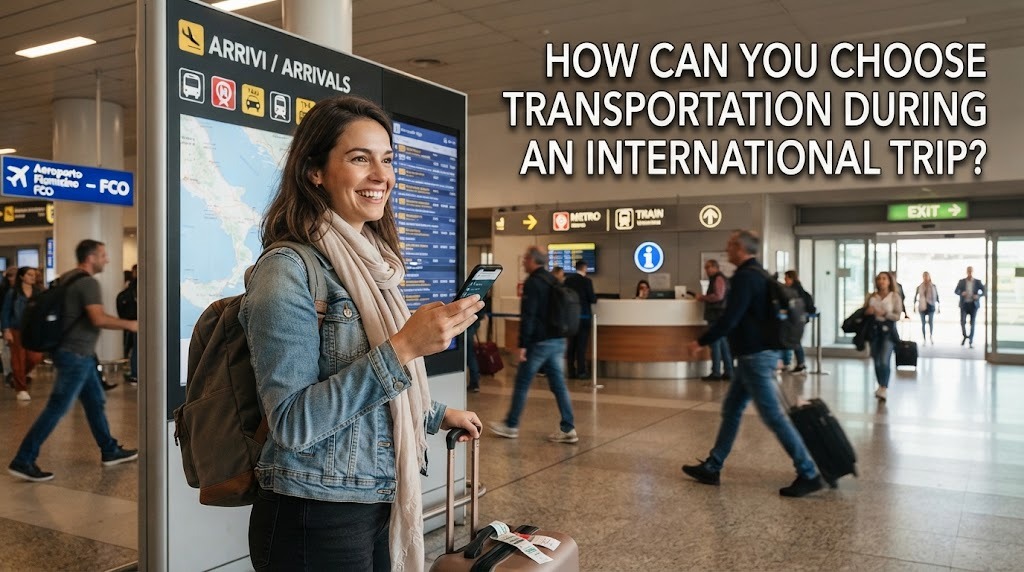
Choosing the right transportation is an important part of planning an international trip. Each destination may have different public transportation systems, road conditions, prices, and payment methods. Travelers should consider their budget, destination, schedule, luggage, and comfort before choosing how to move around. Good transportation planning can make a trip more efficient and reduce unnecessary stress. By comparing available options, travelers can choose transportation that fits their needs.
UNDERSTAND THE TRANSPORTATION SYSTEM
Before traveling, learn how transportation works in your destination. Check whether the city has buses, trains, subways, trams, taxis, ride-hailing services, or other local options. Information about routes, operating hours, fares, and payment methods can usually be found through official transportation websites or local applications. Understanding the system before arrival can make the first journey easier. It also helps travelers avoid confusion when moving between airports, hotels, and tourist destinations.
CONSIDER YOUR TRAVEL BUDGET
Cost is one of the most important factors when choosing transportation. Public transportation is often useful for travelers who want to control daily expenses, while taxis or private services may provide greater convenience. However, the cheapest option is not always the most practical choice if it takes much longer or requires several transfers. Compare the total cost of each option, including fares, transfers, airport fees, and other possible charges. Choosing transportation based on the overall budget can prevent unexpected expenses.
CHECK THE DISTANCE AND TRAVEL TIME
Distance and travel time should be considered before selecting transportation. A short distance may be suitable for walking, while longer routes may require trains, buses, taxis, or other services. Travelers should also check traffic conditions because road congestion can make private transportation take much longer. For important schedules such as flights or tours, allow enough extra time for delays. Choosing transportation based on realistic travel time can make an itinerary more reliable.
CHOOSE TRUSTED TRANSPORTATION SERVICES
Safety and reliability should be considered when selecting transportation in an unfamiliar country. Use official public transportation, licensed taxis, reputable ride-hailing services, or other established providers whenever possible. Check the vehicle details and driver information when using a ride-hailing application. Avoid accepting transportation offers from unknown individuals, especially at airports or other busy tourist locations. Using trusted services can reduce the risk of scams and other transportation problems.
CHECK PAYMENT METHODS
Payment systems can vary between countries and cities. Some transportation services accept cash, while others use travel cards, contactless payments, mobile applications, or prepaid cards. Research the available payment methods before using public transportation. Keeping a small amount of local currency can be useful when electronic payment is unavailable. Knowing how to pay in advance can make transportation faster and more convenient.
USE MAPS AND TRANSPORTATION APPS
Maps and transportation applications can help travelers navigate unfamiliar areas. They can provide information about routes, departure times, transfers, and estimated travel duration. Downloading offline maps can also be useful when internet access is limited. Before leaving your accommodation, check the route and identify the correct station, stop, or pickup location. These simple preparations can reduce the chance of getting lost.
CONSIDER YOUR LUGGAGE AND COMFORT
Luggage can influence which transportation option is most suitable. Carrying large suitcases through multiple train or bus transfers may be uncomfortable, especially on crowded routes. A taxi or direct transportation service may sometimes be more practical when traveling with heavy luggage. Travelers should also consider accessibility, seating, air conditioning, and walking distance when necessary. The most suitable option should balance price with comfort and convenience.
PREPARE ALTERNATIVE ROUTES
Transportation schedules can change because of weather, maintenance, traffic, strikes, or other unexpected situations. Having an alternative route can help travelers continue their plans when the first option is unavailable. Check another nearby station, bus route, taxi service, or transportation provider before starting an important journey. Keep essential route information available offline when possible. A backup plan can be particularly useful when traveling to an airport or catching a time-sensitive reservation.
CONCLUSION
Choosing transportation during an international trip requires more than simply finding the cheapest option. Travelers should consider the local transportation system, budget, travel time, safety, payment methods, luggage, and personal comfort. Maps and transportation apps can make navigation easier, while alternative routes can provide support when unexpected problems occur. Comparing different options before traveling can help create a more organized itinerary. With careful planning, travelers can move around their destination more comfortably and efficiently.
Tentang Penulis
Gusti Ayu Tita P
Penulis — Universitas STEKOM
Penulis aktif yang berfokus pada isu-isu akademik, teknologi pendidikan, dan pengembangan sumber daya manusia di lingkungan kampus.