How Can You Explore Historical Figures through Historic Tombs?
Gusti Ayu Tita P
4 September 2026
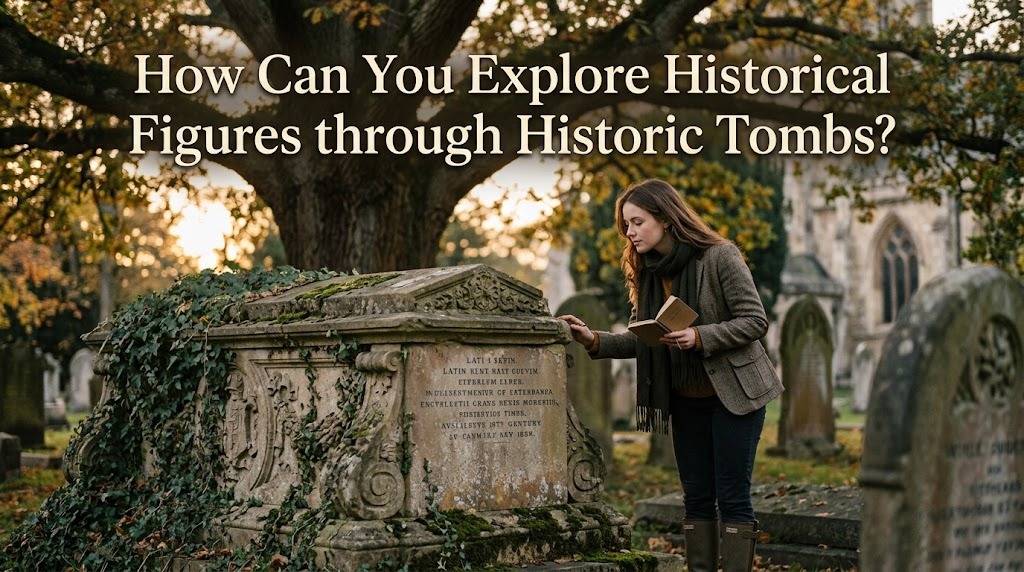
Historic tombs can provide a valuable way to learn about historical figures and the societies in which they lived. A tomb may preserve names, dates, titles, inscriptions, architectural details, and traditions connected to a particular person. These sources can help researchers build a clearer picture of someone's life and historical significance. However, tombs should be studied carefully because they are also sensitive cultural and burial spaces.
LEARNING ABOUT THE HISTORICAL FIGURE
The first step is to identify the person associated with the tomb and understand their historical background. Researchers can examine names, titles, dates, family connections, occupations, and important events associated with the individual. Written records from reliable archives, books, museums, and academic publications can provide additional information.
It is important to compare different sources rather than depending on a single story. Historical evidence may sometimes differ from local traditions or popular accounts. Comparing inscriptions, documents, archaeological findings, and oral histories can help create a more balanced understanding of the historical figure.
EXAMINING INSCRIPTIONS AND TOMBSTONES
Tombstones and inscriptions can contain some of the most useful information about a historical figure. Names, dates, titles, symbols, and written messages may provide clues about the person's identity and status. The language and writing style can also help researchers understand the period in which the tomb was created.
Researchers should document inscriptions carefully without damaging the original surface. Photography, measurements, digital recording, and transcription can preserve information for further study. When inscriptions are difficult to read, specialists may compare them with similar examples from the same historical period.
STUDYING TOMB ARCHITECTURE AND SYMBOLS
The design of a tomb can reveal information about the individual and the society connected to them. Tomb architecture may reflect religious beliefs, social status, artistic traditions, and available construction technology. Large or highly decorated structures may have a different meaning from simple burial places.
Symbols and decorative elements can also provide important clues. Researchers may examine carvings, patterns, sculptures, or other visual features to understand their cultural meaning. These details should be interpreted within their historical context rather than being given meanings based only on modern assumptions.
CONNECTING THE TOMB WITH HISTORICAL EVENTS
A historic tomb becomes more meaningful when it is connected to the historical events and social conditions of its period. Researchers can examine how the person's life relates to political changes, religious developments, economic conditions, conflicts, or cultural movements. This approach helps place the individual within a broader historical context.
The surrounding location can also be important. A tomb near a palace, religious building, settlement, battlefield, or important route may provide additional clues about the person's role. Studying the wider landscape can therefore support a more complete interpretation of historical figures and their communities.
USING TECHNOLOGY FOR HISTORICAL RESEARCH
Modern technology offers useful tools for exploring historic tombs without unnecessary physical intervention. 3D scanning, digital photography, geographic information systems, and digital archives can help researchers record tomb structures and their surroundings. These methods can preserve detailed information for future analysis.
Digital resources can also make historical research more accessible to students and the public. Virtual tours, online exhibitions, and digital models allow people to explore historic tombs without placing additional pressure on fragile sites. Technology therefore supports both historical research and heritage preservation.
RESPECTING THE SITE DURING RESEARCH
Researching a historic tomb requires ethical and respectful behavior. Visitors and researchers should follow local regulations and avoid touching, moving, or removing materials from the site. Human remains and burial objects should be treated with particular care because they can have cultural, religious, and ethical significance.
Researchers should also work with relevant authorities, heritage professionals, and local communities when appropriate. Their knowledge can provide valuable context and help ensure that research activities do not conflict with cultural traditions. Responsible research allows people to learn about the past while protecting the cultural heritage represented by the tomb.
CONCLUSION
Historic tombs can help people explore the lives and significance of historical figures through inscriptions, architecture, symbols, historical records, and archaeological evidence. The most reliable approach is to compare multiple sources and place the tomb within its wider historical and cultural context. Modern technology can make documentation and research more effective while reducing unnecessary physical intervention. With careful research and respect for cultural values, historic tombs can remain valuable resources for understanding the people and societies of the past.
Tentang Penulis
Gusti Ayu Tita P
Penulis — Universitas STEKOM
Penulis aktif yang berfokus pada isu-isu akademik, teknologi pendidikan, dan pengembangan sumber daya manusia di lingkungan kampus.