
How Can You Get Education Information from the Education Office?
Gusti Ayu Tita P
15 September 2026
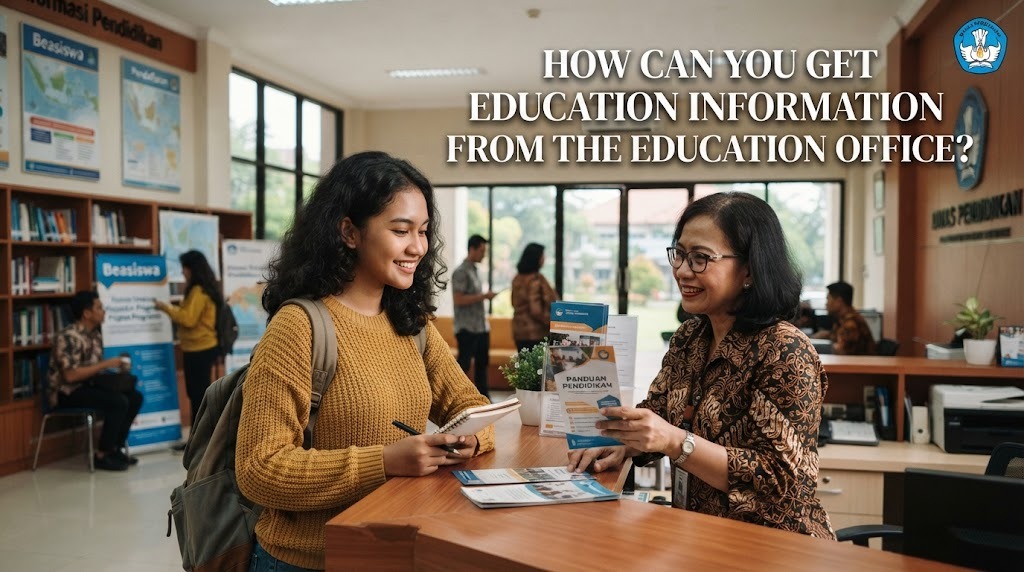
Access to accurate education information is important for students, parents, teachers, and the wider community. The Education Office provides information about educational policies, programs, services, and other matters within its authority. People need reliable information to understand available opportunities and follow the correct procedures. Using official sources can also help prevent confusion caused by inaccurate information.
Today, education information can be obtained through both online and offline channels. Each channel has different advantages depending on the type of information needed. By knowing where to look and how to verify information, the public can access educational services more effectively.
OFFICIAL EDUCATION OFFICE WEBSITE
The official website of the Education Office can be one of the main sources of Education Information. Government websites may publish announcements, regulations, programs, schedules, requirements, and public service information. Users can search the website for information relevant to their needs. Because website content can change, it is important to check the publication date and latest updates.
People should make sure that they are accessing the correct official website rather than an unofficial page. Information involving registration, assistance, or administrative requirements should be checked carefully. Official Information is generally more reliable when it comes directly from the responsible government institution. If information is unclear, users can contact the office through its official communication channels.
SOCIAL MEDIA AND DIGITAL CHANNELS
Some Education Offices use official social media accounts to distribute public information. These channels can provide updates about Education Programs, announcements, events, and important reminders. Social media can be convenient because information can reach the public quickly. However, users should verify that an account is genuinely operated by the relevant government institution.
Not every education-related post on social media is accurate. People should avoid relying on forwarded messages or anonymous accounts when making important decisions. Digital Information should be compared with information from official websites or other authorized channels. This habit can reduce the risk of following outdated or misleading announcements.
DIRECT PUBLIC SERVICES
People can visit an Education Office when they need information that requires direct assistance. Staff members may explain Public Services, procedures, requirements, or other education-related matters within their authority. Visiting the office can be useful when information cannot be fully understood through online channels. Before visiting, people should check operating hours and required documents if available.
Clear communication can make direct services more effective. Visitors should explain their questions and provide relevant information so staff can identify the appropriate service. Public Service procedures may differ depending on the region and type of request. Therefore, following the instructions provided by the responsible office is important.
CONTACTING EDUCATION OFFICIALS
Education information may also be obtained through official contact channels such as telephone numbers, email addresses, or public service messaging platforms. These channels can help people ask questions without immediately visiting the office. When contacting the Education Office, users should explain their questions clearly and provide only the information necessary for the inquiry. This can help staff respond more efficiently.
People should use contact details published through Official Channels. Avoid using personal contact information from unknown sources, especially when a request involves sensitive documents or personal data. It is also useful to keep records of important correspondence when following an administrative process. This can help users track the information they have received.
CHECKING AND VERIFYING INFORMATION
Finding information is only the first step. People should also verify whether the information is current, accurate, and relevant to their situation. Information Verification can be done by comparing announcements across official government channels or contacting the responsible office directly. This is especially important for deadlines, registration requirements, educational assistance, and program eligibility.
Users should pay attention to the source, publication date, requirements, and contact information included in an announcement. If different sources provide conflicting information, the safest approach is to confirm it through the responsible Education Office. Reliable Education information should come from an authorized source and match the latest official announcement. Careful verification helps people avoid mistakes and unnecessary administrative problems.
CONCLUSION
Education information can be obtained through official websites, social media, direct public services, and authorized contact channels. The most important step is to use Official Information and verify it before taking action. People should check publication dates, requirements, and sources, especially for programs and administrative services. When online information is unclear, contacting or visiting the responsible Education Office can provide further clarification. By using reliable sources and practicing information verification, the public can access education services more safely and effectively.
Tentang Penulis
Gusti Ayu Tita P
Penulis — Universitas STEKOM
Penulis aktif yang berfokus pada isu-isu akademik, teknologi pendidikan, dan pengembangan sumber daya manusia di lingkungan kampus.



