
How Can You Handle Challenges in Adult Life?
Gusti Ayu Tita P
7 September 2026
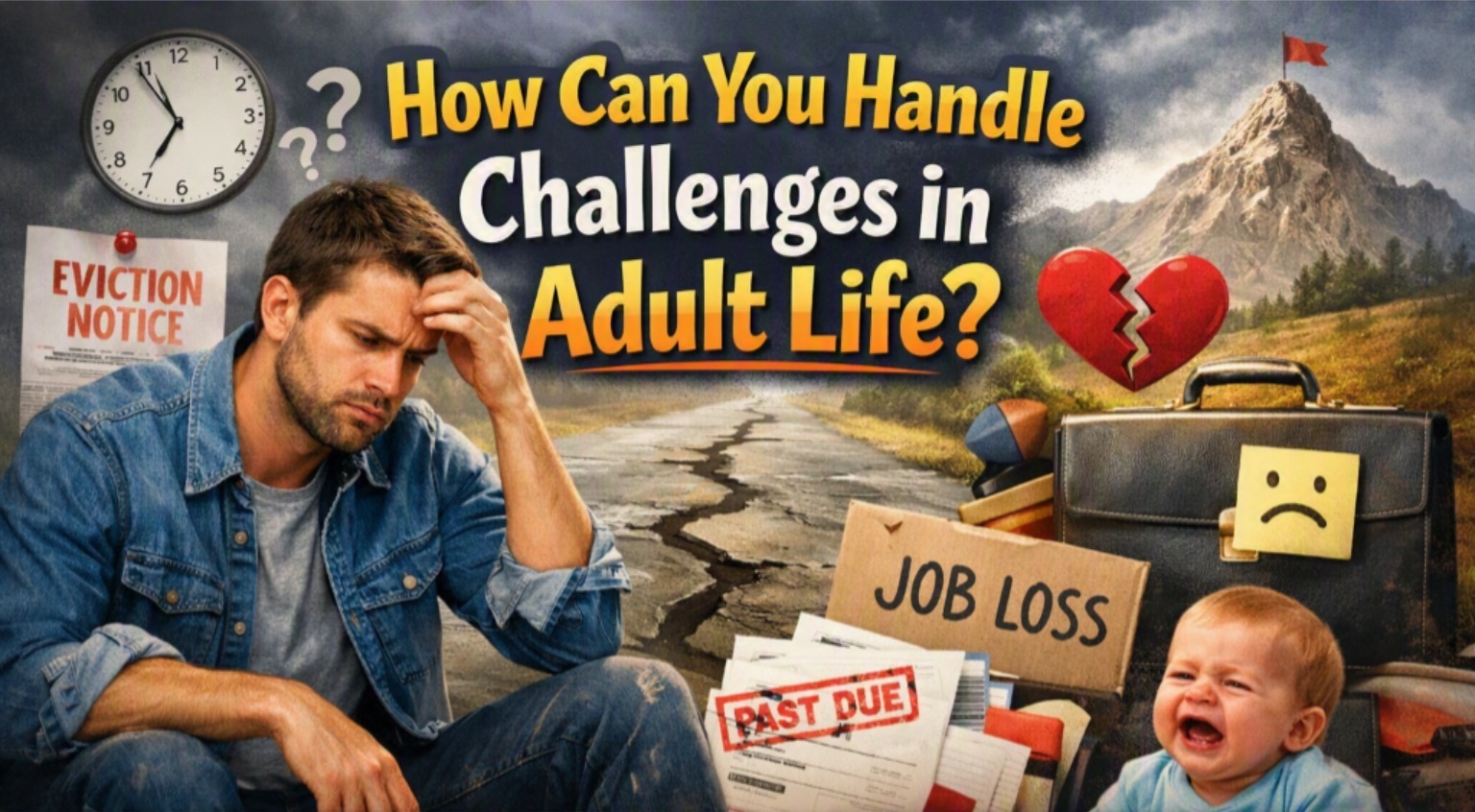
Adult life often brings new responsibilities, difficult decisions, and unexpected changes. People may need to manage work, money, relationships, family responsibilities, and personal goals at the same time. These challenges can feel overwhelming when there is no clear plan for handling them. However, becoming an adult does not mean having everything figured out immediately. With good habits, realistic expectations, and consistent effort, it is possible to face adult life with greater confidence and stability.
UNDERSTAND YOUR PRIORITIES
One of the best ways to handle challenges in adult life is to understand what matters most to you. Clear priorities can help you decide which responsibilities need immediate attention and which ones can wait. For example, paying essential bills and maintaining your health may be more urgent than spending money on unnecessary purchases. Setting priorities also helps prevent you from trying to solve every problem at the same time. Start by identifying a few important goals and focus your energy on them one by one.
Your priorities may change as your circumstances change, and that is completely normal. A career goal may become less important when family responsibilities increase, while financial stability may become a bigger concern. The key is to review your priorities regularly instead of following an old plan that no longer fits your situation. Writing down your short-term and long-term goals can make your decisions more organized. When you know what you are working toward, difficult choices often become easier to evaluate.
MANAGE YOUR FINANCES WISELY
Financial pressure is one of the most common challenges in adult life because everyday expenses can quickly add up. Create a simple budget that records your income, essential expenses, savings, and discretionary spending. Try to build an emergency fund so unexpected costs, such as repairs or temporary loss of income, do not immediately create serious financial problems. Avoid taking on debt for purchases that are not necessary, and understand the interest and repayment terms before borrowing money. Small financial habits can make a significant difference over time.
You do not need a high income to start developing better money habits. The most important step is to spend less than you earn whenever possible and regularly review where your money goes. Automating savings can make it easier to save consistently without relying entirely on willpower. It is also useful to distinguish between needs and wants before making major purchases. A practical financial plan can give you greater control and reduce anxiety about future expenses.
BUILD A HEALTHY WORK LIFE
Work can become a major source of stress when expectations, deadlines, and responsibilities continue to increase. Developing healthy work habits can help you stay productive without allowing your job to consume every part of your life. Organize tasks according to importance and break large projects into smaller steps. Communicate clearly with colleagues or managers when deadlines or workloads become unrealistic. Taking reasonable breaks can also help maintain concentration and prevent prolonged mental exhaustion.
At the same time, remember that your identity does not have to depend entirely on your career. Work-life balance allows you to make room for rest, hobbies, relationships, and activities that give your life meaning. If your current career path no longer matches your goals, consider developing new skills or exploring other opportunities. Professional growth often happens gradually through experience, training, and learning from mistakes. A sustainable career should support your overall well-being rather than constantly undermine it.
TAKE CARE OF YOUR PHYSICAL AND MENTAL WELL BEING
Adult responsibilities can make personal well-being seem less important, but ignoring your needs can make other challenges harder to manage. Aim for regular sleep, balanced nutrition, physical activity, and adequate rest as part of your normal routine. You do not need a perfect lifestyle to benefit from healthier habits. Simple actions, such as walking regularly, maintaining a consistent sleep schedule, or preparing nutritious meals, can support your daily energy. If you have persistent health concerns, seeking appropriate professional advice is an important part of responsible self-care.
Mental well-being also deserves attention because adult life can involve stress, uncertainty, disappointment, and emotional pressure. Make time for activities that help you relax and maintain connections with people you trust. When a problem feels too difficult to handle alone, talking with a qualified mental health professional can provide appropriate support. Recognizing that you need help is not a sign of weakness. It is a practical way to protect your well-being and find healthier ways to deal with difficult situations.
MAINTAIN HEALTHY RELATIONSHIPS
Relationships can become more complicated as adults balance friendships, romantic partnerships, family obligations, and professional connections. Open communication is essential for expressing expectations, concerns, boundaries, and feelings clearly. Healthy relationships require effort from everyone involved, so avoid assuming that other people automatically understand what you need. Learning to listen without immediately judging can also prevent unnecessary conflict. When disagreements happen, focus on solving the problem rather than trying to prove who is right.
It is also important to establish healthy boundaries. You can care about other people while still protecting your time, energy, finances, and personal values. Saying no to an unreasonable request does not automatically make you selfish or uncaring. Choose relationships that encourage mutual respect, honesty, and support. Letting go of consistently harmful relationships may be difficult, but protecting your well-being is an important part of becoming a responsible adult.
LEARN TO HANDLE CHANGE AND FAILURE
Change is unavoidable in adult life, and not every change will happen according to your plans. You may experience career changes, financial difficulties, relationship problems, relocation, or unexpected responsibilities. Instead of expecting complete control, develop flexibility and problem-solving skills. When something goes wrong, separate the situation into factors you can control and factors you cannot. Then focus your attention on the actions that can realistically improve the situation.
Failure can also provide useful information about what needs to change. Making mistakes does not mean you are incapable of succeeding. Review what happened, identify what you can learn, and use that knowledge when making your next decision. Avoid comparing your progress with other people's lives because everyone faces different circumstances and follows a different timeline. Progress in adulthood is often measured by how well you adapt, learn, and continue moving forward.
CONCLUSION
Having a future plan can make adult responsibilities feel more manageable, even when the exact outcome cannot be predicted. Set specific and realistic goals for areas such as career development, finances, education, relationships, and personal growth. Divide larger goals into smaller actions that you can complete within a reasonable period. Review your progress regularly and adjust your plan when your circumstances change. A useful plan should guide your decisions rather than make you feel trapped by unrealistic expectations.
Most importantly, remember that adult life does not have to be perfect to be meaningful. Progress is more important than perfection, and small improvements can gradually create a stronger and more stable life. Give yourself enough time to learn skills that were not taught to you earlier. Celebrate reasonable progress while remaining willing to improve areas that need attention. By managing priorities, finances, work, health, relationships, and change with greater awareness, you can face adult challenges more confidently and build a future that fits your values and goals.
Tentang Penulis
Gusti Ayu Tita P
Penulis — Universitas STEKOM
Penulis aktif yang berfokus pada isu-isu akademik, teknologi pendidikan, dan pengembangan sumber daya manusia di lingkungan kampus.















