How Can You Maintain Good Health Based on Your Blood Type?
Gusti Ayu Tita P
14 September 2026
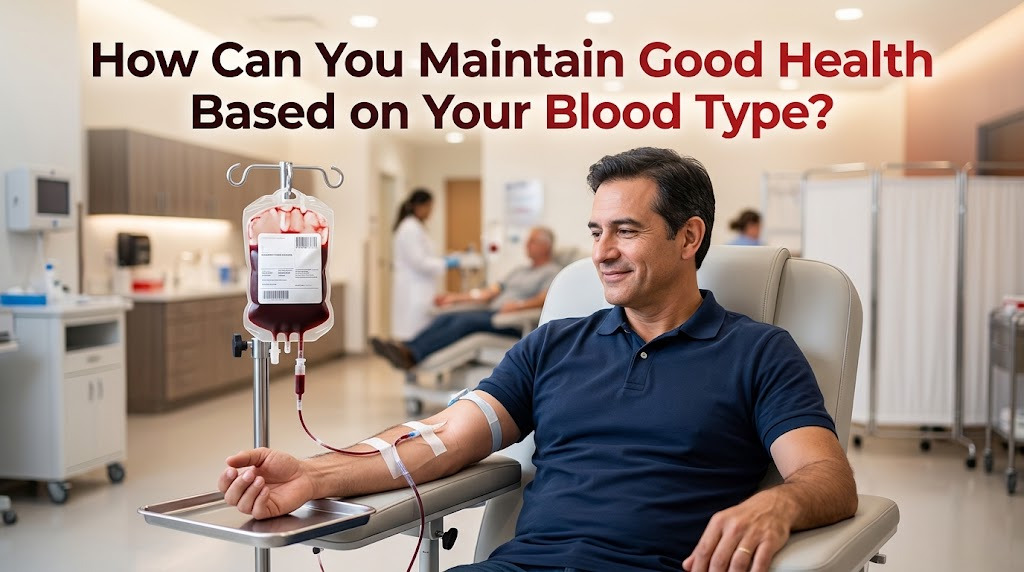
Blood type is one of the biological characteristics that people inherit from their parents. The main blood types are A, B, AB, and O, while the Rh factor identifies whether a person is positive or negative. Many people are interested in whether their blood type can determine the best way to maintain their health. However, there is currently no strong scientific evidence that people need completely different diets or lifestyles simply because of their blood type. A healthy lifestyle should generally focus on balanced nutrition, regular physical activity, sufficient sleep, preventive healthcare, and other habits that support overall well-being.
UNDERSTANDING THE ROLE OF BLOOD TYPE IN HEALTH
Blood type is determined mainly by genetic information and normally remains stable throughout a person's life. The ABO blood group system classifies blood into A, B, AB, and O based on specific antigens found on red blood cells. The Rh system adds another classification, commonly described as Rh-positive or Rh-negative. These characteristics are especially important in situations such as blood transfusions and pregnancy care. However, having a particular blood type does not automatically mean that a person is healthy or unhealthy.
Some scientific studies have found statistical associations between certain blood types and particular health conditions. These findings do not mean that blood type directly causes a disease or determines an individual's future health. Many other factors can influence health, including genetics, age, lifestyle, environment, medical history, and access to healthcare. Therefore, blood type should be viewed as one biological characteristic rather than a complete guide to personal health. Overall health depends on many factors working together.
EAT A BALANCED AND NUTRITIOUS DIET
A balanced diet is important for people of every blood type. Instead of choosing food based only on blood type, people should focus on eating a variety of nutrient-rich foods. Vegetables, fruits, whole grains, protein sources, and healthy fats can provide essential nutrients needed by the body. The right amount of food also depends on factors such as age, activity level, health status, and individual nutritional needs. Drinking enough water and limiting excessive intake of highly processed foods can also support good health.
There is a popular idea known as the blood type diet, which suggests that people should eat differently according to whether they have type A, B, AB, or O blood. However, strong scientific evidence does not currently support the claim that these diets provide special health benefits because of blood type alone. A person may feel healthier after changing their diet, but the improvement may come from eating more nutritious foods rather than from following a blood-type-specific plan. For this reason, dietary decisions should be based on reliable nutrition guidance rather than blood type alone.
STAY PHYSICALLY ACTIVE REGULARLY
Regular physical activity is another important part of maintaining good health regardless of blood type. Exercise can support cardiovascular health, muscle strength, bone health, mobility, and mental well-being. Activities can include walking, cycling, swimming, sports, strength training, or other forms of movement that a person can perform safely. People should choose activities that match their physical condition and gradually increase the intensity when appropriate. Consistency is generally more important than choosing an exercise based on blood type.
People with certain medical conditions may need specific exercise recommendations from healthcare professionals. A doctor or qualified health professional can help determine which activities are appropriate when there are physical limitations or health concerns. It is also useful to avoid long periods of inactivity by adding more movement throughout the day. Simple habits such as walking regularly or taking active breaks can contribute to a healthier lifestyle. Physical activity works together with good nutrition and other healthy habits to support the body.
GET ENOUGH SLEEP AND MANAGE STRESS
Good health is not only about food and exercise because sleep and stress management are also important. Most adults need around seven to nine hours of sleep each night, although individual needs can vary. Getting adequate sleep can support concentration, mood, immune function, and many other normal body processes. Maintaining a regular sleep schedule and creating a comfortable sleeping environment may make it easier to get sufficient rest. Blood type does not generally determine how much sleep a person needs.
Stress is another factor that can affect daily well-being. Long-term or severe stress may influence sleep, mood, behavior, and physical health. People can manage stress through activities such as exercise, relaxation techniques, hobbies, social support, or organized daily routines. If stress becomes difficult to manage or significantly affects daily life, professional support may be appropriate. These healthy habits are useful for people with A, B, AB, or O blood types alike.
PAY ATTENTION TO PERSONAL HEALTH RISKS
Although blood type is not a complete health guide, research has identified some associations between certain blood groups and specific health conditions. For example, non-O blood groups have been associated in studies with somewhat different risks for certain cardiovascular or clotting-related conditions. These are statistical associations, not predictions about what will happen to an individual. Having a particular blood type does not mean that a person will definitely develop a specific disease. Personal medical history and established risk factors remain much more important when assessing individual health.
People should therefore focus on factors that can be changed or managed. These may include smoking, physical inactivity, unhealthy eating patterns, excessive alcohol consumption, high blood pressure, high cholesterol, and other recognized risk factors. Regular health checks can help identify potential problems before they become more serious. A healthcare professional can also assess personal risks based on age, family history, lifestyle, and medical conditions. Preventive healthcare is more useful than trying to predict health outcomes from blood type alone.
KNOW YOUR BLOOD TYPE BUT DO NOT RELY ON IT ALONE
Knowing your blood type can still be useful for medical purposes. Blood type information is particularly important during blood transfusions because healthcare professionals need compatible blood products. It can also be relevant during pregnancy because the mother's Rh status may need to be considered in certain situations. However, simply knowing your blood type does not replace medical examinations, laboratory tests, or professional health advice. Hospitals will confirm blood type when necessary rather than relying only on information provided by a patient.
People can find out their blood type through appropriate medical testing or blood donation services that provide blood typing information. It is helpful to keep important medical information available, but it should be updated or confirmed when required. If a person has concerns about a disease or health condition, they should discuss those concerns with a healthcare professional rather than using blood type as a diagnosis. Blood type information is useful, but it is only one part of a much larger health picture.
BUILD HEALTHY HABITS FOR LONG-TERM WELL-BEING
The most effective approach to maintaining good health is to build sustainable habits rather than following restrictive rules based only on blood type. Eating nutritious foods, staying active, sleeping well, managing stress, avoiding harmful substances, and attending appropriate health screenings can support long-term well-being. These habits can be adjusted according to individual needs, preferences, medical conditions, and lifestyle. A healthy routine should be realistic enough to maintain over time. Small improvements made consistently can have meaningful benefits.
It is also important to be careful with health claims found online. Some information about blood type and health may be based on limited studies, personal experiences, or popular theories rather than strong scientific evidence. Before making major changes to diet, exercise, medication, or other health practices, people should check reliable medical information and consult qualified professionals when necessary. Blood type can provide useful medical information, but it should not define a person's entire approach to health. A balanced and evidence-based lifestyle remains the best general foundation for maintaining good health.
CONCLUSION
Maintaining good health does not require a completely different lifestyle for each blood type. Although researchers have found some associations between blood groups and certain health conditions, these relationships do not mean that blood type directly determines a person's health. A balanced diet, regular exercise, sufficient sleep, stress management, preventive care, and healthy daily habits are important for people with all blood types. Knowing your blood type is useful for medical situations such as transfusion and certain aspects of pregnancy care, but it should not replace professional medical advice. The best approach is to focus on reliable health information and develop sustainable habits that support long-term health and well-being.
Tentang Penulis
Gusti Ayu Tita P
Penulis — Universitas STEKOM
Penulis aktif yang berfokus pada isu-isu akademik, teknologi pendidikan, dan pengembangan sumber daya manusia di lingkungan kampus.