How Can You Make Peace with Your Inner Child for a Calmer Life?
Gusti Ayu Tita P
11 September 2026
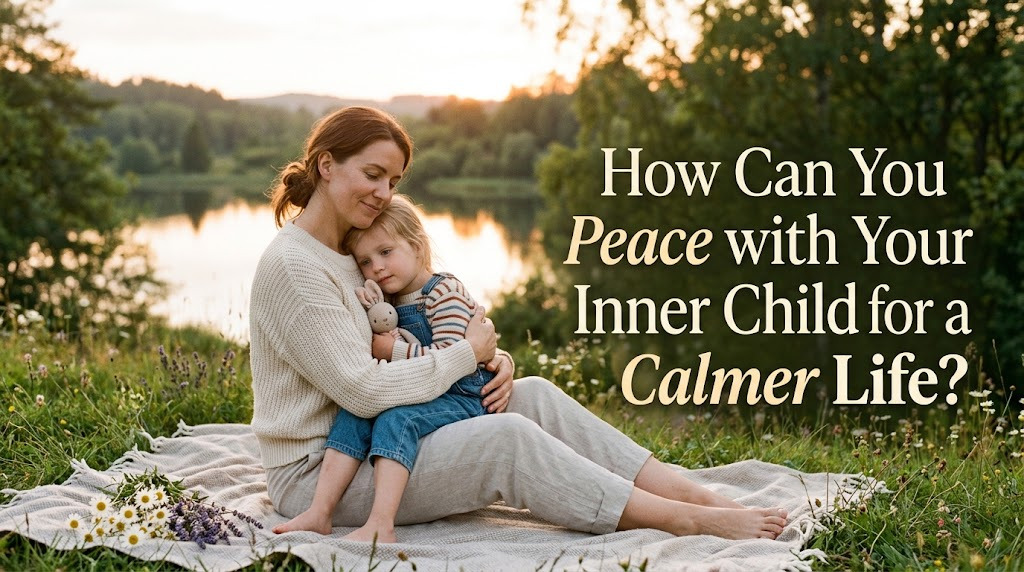
The inner child is a psychological concept often used to describe childhood emotions, memories, experiences, and needs that may remain meaningful later in life. Making peace with the inner child generally means learning to understand these experiences and respond to emotions with greater patience and awareness. It does not mean forgetting difficult experiences or assuming that childhood is responsible for every problem in adulthood.
People continue to develop through new experiences, relationships, education, and personal reflection. For this reason, understanding the inner child can be viewed as one way to support self awareness rather than a complete explanation for someone's emotional life. With a balanced approach, reflection can help people understand themselves while focusing on healthier choices in the present.
RECOGNIZE EMOTIONS THAT OFTEN APPEAR
The first step toward making peace with the inner child is noticing emotions that repeatedly appear in certain situations. Feelings such as fear, sadness, disappointment, insecurity, or frustration can provide useful information about a person's current experience. Instead of immediately judging these emotions, try to recognize what happened and how the situation made you feel. This can improve emotional awareness.
It can also be useful to notice whether a reaction seems stronger than expected for the situation. This does not automatically mean that the reaction comes from childhood. Current stress, relationships, environment, and other experiences can also influence emotions. Paying attention without making quick assumptions allows for a more balanced understanding.
ACCEPT PAST EXPERIENCES WITH UNDERSTANDING
Making peace with the inner child does not require pretending that difficult experiences were positive. Instead, it involves acknowledging that certain experiences happened and recognizing how they may have affected your thoughts or feelings. Some memories may be meaningful, while others may be uncomfortable to think about. There is no need to force yourself to revisit memories that you are not ready to explore.
Self acceptance can help create a healthier relationship with the past. Accepting your experiences does not mean approving of everything that happened or blaming yourself for circumstances you could not control. It means recognizing your history while allowing yourself to continue growing in the present.
PAY ATTENTION TO YOUR CURRENT NEEDS
People sometimes focus heavily on understanding the past while forgetting to consider what they need today. Rest, supportive relationships, personal space, enjoyable activities, and healthy routines can all contribute to emotional well-being. Understanding your current needs can be more useful than constantly searching for explanations in childhood.
Ask yourself what would help you feel more comfortable and supported in the present situation. This could involve taking a break, communicating a boundary, or spending time with someone you trust. Meeting reasonable needs can support self care and create a greater sense of balance in everyday life.
LEARN TO SET HEALTHY BOUNDARIES
Healthy boundaries are an important part of developing respectful relationships with yourself and others. A person can learn to communicate when something makes them uncomfortable or when they need personal space. Saying no to an inappropriate request does not make someone selfish or uncaring. It can be a healthy way to protect personal limits.
Developing healthy boundaries may take time, particularly if someone is not used to expressing their needs. Start with simple situations and communicate clearly and respectfully. Over time, this can support greater confidence and help create relationships based on mutual respect.
GIVE YOURSELF TIME TO GROW
Making peace with the inner child is not something that needs to happen quickly. Emotional understanding can develop gradually as people experience new situations and learn more about themselves. It is normal to have both positive and difficult emotions during this process. Progress can involve small changes in how someone understands and responds to their feelings.
Personal growth also means recognizing that the past does not have to define the future. Self reflection, supportive relationships, healthy routines, and appropriate professional guidance can all contribute to continued development. If emotional difficulties become difficult to manage, talking with a qualified mental health professional can provide appropriate support.
CONCLUSION
Making peace with the inner child can involve recognizing recurring emotions, accepting past experiences, understanding current needs, developing healthy boundaries, and allowing yourself time to grow. These steps can encourage greater self awareness and help people respond to emotions more thoughtfully. However, childhood experiences are only one possible influence on emotions and behavior.
A calmer life does not require completely resolving every difficult memory. Instead, it can begin with self acceptance, healthy choices, and greater awareness of what you need in the present. By approaching the inner child with patience rather than self-blame, people can continue developing healthier emotional habits and a stronger understanding of themselves.
Tentang Penulis
Gusti Ayu Tita P
Penulis — Universitas STEKOM
Penulis aktif yang berfokus pada isu-isu akademik, teknologi pendidikan, dan pengembangan sumber daya manusia di lingkungan kampus.