How Can You Protect Privacy in Friendships?
Gusti Ayu Tita P
18 September 2026
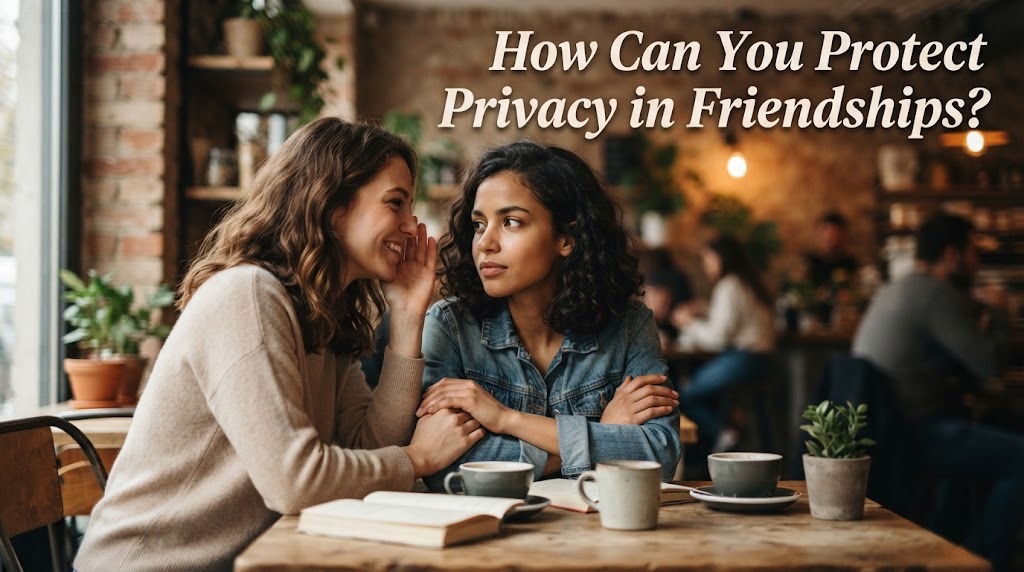
Protecting privacy in friendships means respecting personal information, private conversations, personal space, and individual choices. Being close to a friend does not mean that everything about their life must be shared or known. Healthy friendships allow people to decide which parts of their lives they want to keep private. Privacy can also help build trust because friends feel safer when their personal information is handled responsibly. Good privacy habits are especially important when communication happens through social media and messaging apps.
SHARE PERSONAL INFORMATION CAREFULLY
One of the simplest ways to protect privacy is to think carefully before sharing personal information with friends. Details about family, finances, relationships, work, school, or personal problems may be sensitive. You do not have to share everything simply because someone asks. Consider whether the information is necessary to share and whether you trust the person with it. Keeping some details private is a normal part of maintaining personal boundaries.
The same principle applies when your friend shares information with you. Private stories should not automatically become public information. Avoid telling other people about a friend's situation unless you have permission or there is a serious safety reason to seek appropriate help. Being a good listener also means knowing when information should remain confidential. This habit can strengthen trust over time.
ASK BEFORE SHARING PHOTOS OR STORIES
Photos and personal stories can easily spread through social media, so it is important to ask for permission before posting or sharing them. A picture that seems harmless to you may make your friend uncomfortable. The same applies to stories about private experiences, relationships, family matters, or personal problems. Even if you appear together in a photo, your friend may still have different preferences about where it can be shared. Asking first shows consideration for their privacy.
Be particularly careful with screenshots and private messages. A private conversation should not be treated as public content simply because it exists on your phone. Avoid forwarding messages or posting screenshots without permission. If you are unsure whether something can be shared, asking the person first is usually the clearer approach. Respecting consent helps prevent unnecessary embarrassment and conflict.
PROTECT DIGITAL ACCOUNTS AND DEVICES
Digital privacy is an important part of modern friendships. Avoid asking for or using a friend's passwords, private accounts, or devices without clear permission. Even close friends should respect digital ownership and personal security. If a friend gives you temporary access to a device or account, use it only for the agreed purpose. Do not search through private files, messages, or applications without permission.
You should also protect your own digital information. Use strong passwords and avoid sharing sensitive login details casually. Personal accounts should remain under the control of their owners. If a friend asks to see something private and you are uncomfortable, you can politely refuse. Clear digital boundaries can help protect both privacy and trust.
SET CLEAR PERSONAL BOUNDARIES
Privacy becomes easier to protect when you communicate clear personal boundaries. Tell your friends which information, belongings, conversations, or situations you prefer to keep private. You can also explain when you need personal space or do not want to discuss a particular topic. Your boundaries do not need to be identical to your friend's boundaries. What matters is that both people understand and respect each other's limits.
Clear boundaries can prevent misunderstandings before they happen. For example, you may tell a friend that you do not want personal conversations discussed with other people. A simple and direct explanation can make expectations clearer. If a boundary is crossed, calmly remind your friend about it rather than keeping the frustration to yourself. Consistent communication can make privacy easier to maintain.
RESPECT YOUR FRIENDS' PRIVACY
Protecting privacy is not only about keeping your own information safe. You should also respect the privacy of your friends. Avoid asking intrusive questions when someone has shown that they do not want to discuss a subject. Do not look through their belongings, messages, or accounts without permission. Giving people control over their personal information is an important part of mutual respect.
Remember that silence can also be a boundary. A friend may choose not to explain why they need time alone or why they do not want to discuss a personal issue. Respecting their decision does not mean that you care less about them. You can offer support without demanding information. This approach allows friendships to remain close while preserving individual privacy.
HANDLE PRIVACY PROBLEMS CALMLY
Privacy problems can still happen even when friends generally respect each other. If a friend shares something private without permission, explain what happened, how it affected you, and what you expect in the future. Try to focus on the specific behavior rather than attacking the person's character. A calm conversation can give both people an opportunity to understand what went wrong. If the behavior was accidental, a clear discussion may be enough to prevent it from happening again.
If someone repeatedly ignores clearly communicated privacy boundaries, stronger limits may be necessary. You may choose to share less personal information or create more distance in the relationship. Trust depends on consistent behavior, so repeated privacy violations should not simply be ignored. At the same time, avoid spreading the person's private information in response. Protecting your own privacy should not require violating someone else's.
CONCLUSION
You can protect privacy in friendships by sharing personal information carefully, asking before posting photos or stories, protecting digital accounts, setting clear boundaries, respecting your friends' privacy, and addressing problems calmly. Privacy does not mean creating distance from people you care about. Instead, it gives each person control over their personal information, space, and choices. Healthy friendships are built on trust, consent, and mutual respect. By practicing responsible communication and clear privacy boundaries, friends can maintain closeness without giving up their personal space.
Tentang Penulis
Gusti Ayu Tita P
Penulis — Universitas STEKOM
Penulis aktif yang berfokus pada isu-isu akademik, teknologi pendidikan, dan pengembangan sumber daya manusia di lingkungan kampus.