How Can You Replace a Lost or Damaged Passport?
Gusti Ayu Tita P
24 Agustus 2026
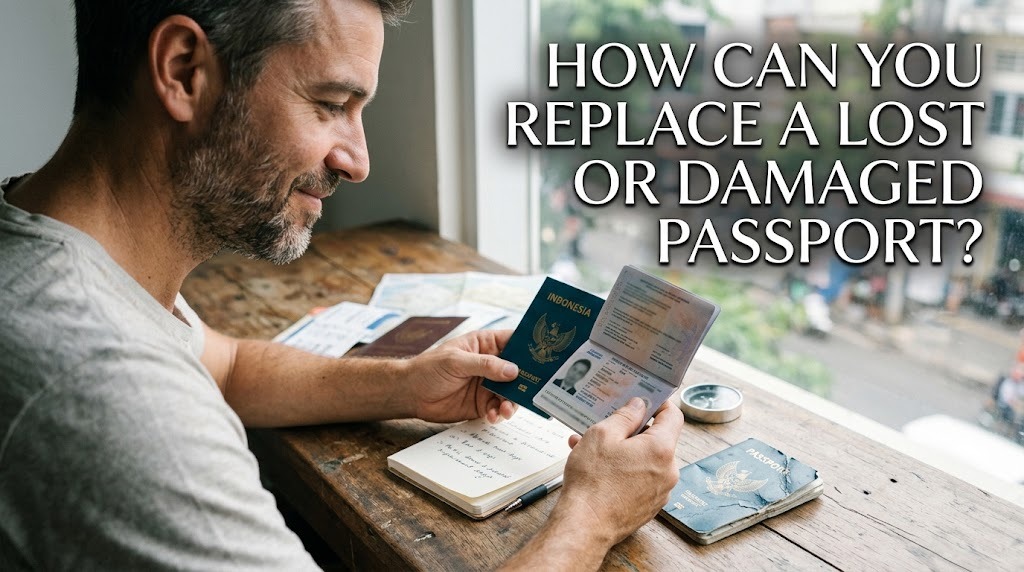
Losing a passport or discovering that it has been damaged can be stressful, especially when an international trip is approaching. A passport is an essential travel document, so a lost or seriously damaged passport should be handled as soon as possible. The replacement process depends on the country that issued the passport, the reason for replacement, and whether you are at home or abroad. Official passport authorities generally require applicants to report a lost or stolen passport and provide identification or supporting documents before a replacement can be issued.
REPORT A LOST OR STOLEN PASSPORT IMMEDIATELY
If your passport is lost or stolen, the first step is to report the document to the issuing passport authority. Reporting it quickly can help prevent another person from attempting to use the document for identity fraud or unauthorized travel. Once a passport has been reported lost or stolen, it may be cancelled and should no longer be used even if you find it later.
If the passport was stolen, you may also consider making a police report, particularly when the theft occurred abroad or involved other belongings. A police report is not universally required, because requirements vary between passport authorities, but it can provide useful documentation about what happened. Keep a copy of any report, confirmation, or reference number because it may be useful during the replacement application. Acting quickly is especially important if you have upcoming international travel.
CHECK WHETHER YOUR PASSPORT IS SERIOUSLY DAMAGED
Not every mark or sign of use means that a passport must be replaced. Normal wear and tear may be acceptable in some countries if the important information remains readable and the document is structurally sound. However, serious problems such as torn pages, missing pages, significant water damage, stains, mold, holes, or damage to important personal information can create problems during travel.
Airlines and border authorities may question or reject a passport that is considered damaged. For this reason, travelers should not assume that an apparently usable passport will always be accepted. If you are unsure whether the damage is serious enough to require replacement, contact the passport authority before traveling. Keeping the damaged passport is also important because some authorities require applicants to submit it as part of the replacement process.
PREPARE THE REQUIRED REPLACEMENT DOCUMENTS
The documents required for a replacement passport depend on the issuing country and the applicant's circumstances. Common requirements may include proof of identity, a passport photograph, an application form, evidence of citizenship or nationality, and information about the lost or damaged passport. Applicants replacing a damaged passport may also need to submit the damaged document and explain how the damage occurred.
It is helpful to prepare copies of important documents before submitting an application. If you still have a photocopy or digital record of the lost passport, keep it available because details from the previous passport can help confirm your identity. Check the official requirements carefully because photographs, forms, fees, appointment procedures, and supporting documents can differ significantly between countries. Avoid relying on outdated advice from unofficial websites when applying for a replacement.
APPLY THROUGH THE OFFICIAL PASSPORT AUTHORITY
After reporting the loss or confirming that replacement is necessary, submit your application through the official passport authority or authorized application center. Depending on the country, replacement applications may be completed online, by mail, or in person. Some situations, including lost or damaged passports, may require an in-person application even when ordinary renewals can be completed online.
Applicants should complete every section accurately and provide information that matches their official records. You may need to pay a replacement fee, and additional charges can apply when expedited processing is available. Do not use unofficial agents or websites that promise guaranteed fast processing unless they are officially authorized by your government. Always verify the application procedure through the passport authority responsible for issuing your document.
WHAT TO DO IF YOUR PASSPORT IS LOST OR DAMAGED ABROAD
Losing a passport while traveling internationally requires additional attention because you may need a valid travel document to continue your journey or return home. Contact the nearest embassy or consulate of your passport's issuing country as soon as possible and explain your situation. Consular officials can provide instructions for obtaining a replacement or, where available, an emergency travel document.
Bring any identification, passport copies, photographs, travel details, and other supporting documents that you have available. If your departure is approaching, tell the consular staff about your travel schedule because emergency procedures may be available in certain circumstances. Do not wait until the day of departure if you realize that your passport is missing or seriously damaged. Requirements and processing times differ by nationality and location, so follow the instructions provided by your embassy or consulate.
CONCLUSION
Replacing a lost or damaged passport is easier when you act quickly and follow the correct official procedure. Report a lost or stolen passport immediately, determine whether a damaged passport needs replacement, prepare the required documents, and submit the application through the appropriate authority. Travelers abroad should contact their embassy or consulate for assistance and should not rely on a damaged or cancelled passport for international travel. By keeping passport copies and important identification records in a secure place, travelers can also make the replacement process more manageable if an unexpected problem occurs.
Tentang Penulis
Gusti Ayu Tita P
Penulis — Universitas STEKOM
Penulis aktif yang berfokus pada isu-isu akademik, teknologi pendidikan, dan pengembangan sumber daya manusia di lingkungan kampus.