How Can You Stay Safe on a Hiking Trail?
Gusti Ayu Tita P
1 September 2026
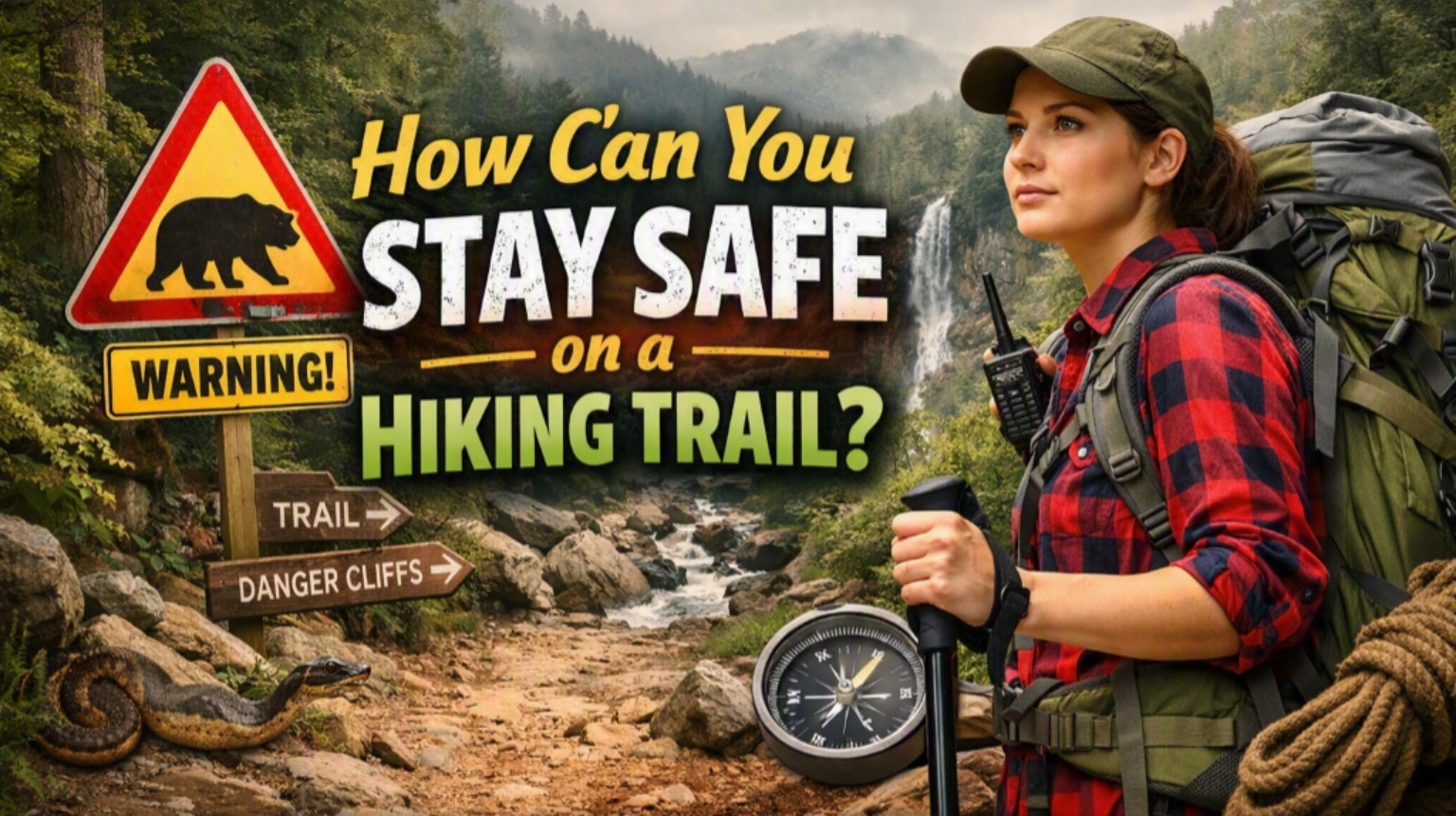
Hiking can be an enjoyable way to explore nature, improve fitness, and reduce stress, but every trail has potential risks. Uneven terrain, changing weather, getting lost, dehydration, and fatigue can turn a pleasant hike into a dangerous situation. Good preparation helps hikers recognize these risks before they become serious problems. By understanding the trail and carrying the right equipment, you can enjoy the outdoors more safely. So, how can you stay safe on a hiking trail?
PLAN YOUR HIKE BEFORE DEPARTURE
The first step to staying safe on a hiking trail is proper preparation. Learn about the trail length, elevation gain, estimated hiking time, difficulty level, terrain, and available water sources before leaving. Check the weather forecast because rain, strong winds, extreme heat, or storms can make a trail significantly more dangerous. You should also understand whether the area has reliable phone reception and identify the location of important facilities such as trailheads, shelters, or emergency posts.
Choose a route that matches your fitness level and hiking experience rather than selecting a trail simply because it looks attractive. Tell a trusted person about your planned route, expected return time, and who is hiking with you. If conditions become unsafe or you are running out of time, be prepared to turn back instead of continuing toward the destination.
BRING ESSENTIAL HIKING EQUIPMENT
Having the right equipment can make a major difference when unexpected situations occur. Wear comfortable hiking shoes with good traction to reduce the risk of slipping on rocks, mud, or loose ground. Bring enough water, nutritious snacks, a first aid kit, a flashlight or headlamp, a charged phone, and suitable clothing for changing conditions. Depending on the trail, additional equipment such as navigation tools, rain protection, trekking poles, or emergency supplies may also be useful.
Avoid carrying unnecessary items because a heavy backpack can increase fatigue and make difficult sections harder to navigate. Before starting, check that your equipment works properly and that essential items are easy to reach. Keep your phone and other electronic devices protected from rain and conserve battery power when possible. Being properly equipped gives you more options if the hike takes longer than expected.
STAY ON THE MARKED TRAIL
Following the designated route is one of the simplest ways to reduce hiking risks. Do not leave the marked trail simply to take shortcuts or explore unfamiliar areas. Unmarked paths can lead to unstable slopes, cliffs, dense vegetation, or locations where rescue may be difficult. Trail signs, maps, markers, and official navigation information should be used together when available.
Pay attention to your surroundings as you hike because trail markers may not always be obvious. If you become unsure about the correct direction, stop and assess your location instead of continuing randomly. A map or reliable navigation device can help you retrace your route. If necessary, return to the last location where you were certain about the trail.
WATCH YOUR FOOTING AND SURROUNDINGS
Hiking trails can contain roots, loose stones, wet surfaces, steep sections, and other obstacles. Walk carefully and adjust your pace according to the terrain and weather conditions. On steep or slippery sections, maintain a stable position and use trekking poles if appropriate. Avoid rushing, especially when you are tired, because fatigue can reduce balance and concentration.
Your surroundings also require attention. Be aware of falling rocks, exposed edges, branches, wildlife, and other hikers. Keep a safe distance from cliffs and avoid standing on unstable ground for photographs. When hiking with others, communicate clearly about difficult sections and make sure slower members of the group are not left behind.
STAY HYDRATED AND MANAGE YOUR ENERGY
Dehydration and exhaustion are common problems during longer or more demanding hikes. Drink water regularly rather than waiting until you feel extremely thirsty. Bring enough food to maintain your energy levels, particularly on trails that require several hours of walking. Snacks containing carbohydrates and other nutrients can help support continued activity.
It is also important to recognize signs of excessive fatigue, dizziness, weakness, headache, or unusual confusion. Take regular breaks and reduce your pace when necessary. If someone in your group shows concerning symptoms, stop the hike and assess the situation rather than forcing them to continue. In hot conditions, protect yourself from excessive sun exposure and plan your activity around the weather when possible.
CHECK THE WEATHER DURING THE HIKE
Weather can change quickly in mountainous and exposed environments. Even when the forecast looks favorable, hikers should remain alert to dark clouds, strong winds, heavy rain, lightning, or sudden temperature changes. These conditions can make trails slippery and increase the risk of falls or other emergencies. Before and during the hike, pay attention to official weather information when communication is available.
If severe weather approaches, move toward a safe location and follow local trail or park guidance. Avoid exposed ridges and other dangerous open areas during thunderstorms. Do not assume that continuing is always safer than turning back. Changing your plan early can prevent a minor weather problem from becoming a serious emergency.
KNOW WHAT TO DO IN AN EMERGENCY
Even careful hikers can experience unexpected problems, so it is important to have a basic emergency plan. If someone is injured, stay calm and assess the situation before deciding what to do next. Provide basic first aid within your abilities and avoid moving an injured person unnecessarily when doing so could make the injury worse. Contact local emergency services or rescue personnel when assistance is needed and communication is available.
If you become lost, avoid wandering farther from your known location without a clear reason. Stop, stay calm, and retrace your route if it can be done safely. Use your navigation tools and share your location with rescuers when possible. Carrying a flashlight, extra food, water, and appropriate clothing can also provide valuable support while waiting for help.
HIKE RESPONSIBLY WITH OTHER PEOPLE
Hiking with others can improve safety because group members can support one another when problems occur. Before starting, agree on the route, pace, meeting points, and communication plan. Keep the group together when the trail is difficult or unfamiliar, and regularly check that everyone is doing well. If someone needs a break, the group should adjust rather than leaving that person alone.
If you hike alone, take additional precautions. Share your itinerary and expected return time with someone you trust, and consider choosing a well-established trail that matches your experience. Avoid taking unnecessary risks simply to reach a viewpoint or summit. Remember that reaching the destination is less important than returning home safely.
CONCLUSION
Staying safe on a hiking trail requires more than carrying basic equipment. Planning the route, checking the weather, staying on marked paths, managing energy, and paying attention to your surroundings are essential habits for safer hiking. You should also know how to respond if you become lost, injured, exhausted, or caught in changing weather. Most importantly, recognize your personal limits and do not hesitate to turn back when conditions become unsafe. With good preparation and responsible decisions, hiking can be a rewarding experience while keeping unnecessary risks under control.
Tentang Penulis
Gusti Ayu Tita P
Penulis — Universitas STEKOM
Penulis aktif yang berfokus pada isu-isu akademik, teknologi pendidikan, dan pengembangan sumber daya manusia di lingkungan kampus.