How Can You Stop Comparing Yourself To Other People?
Gusti Ayu Tita P
8 September 2026
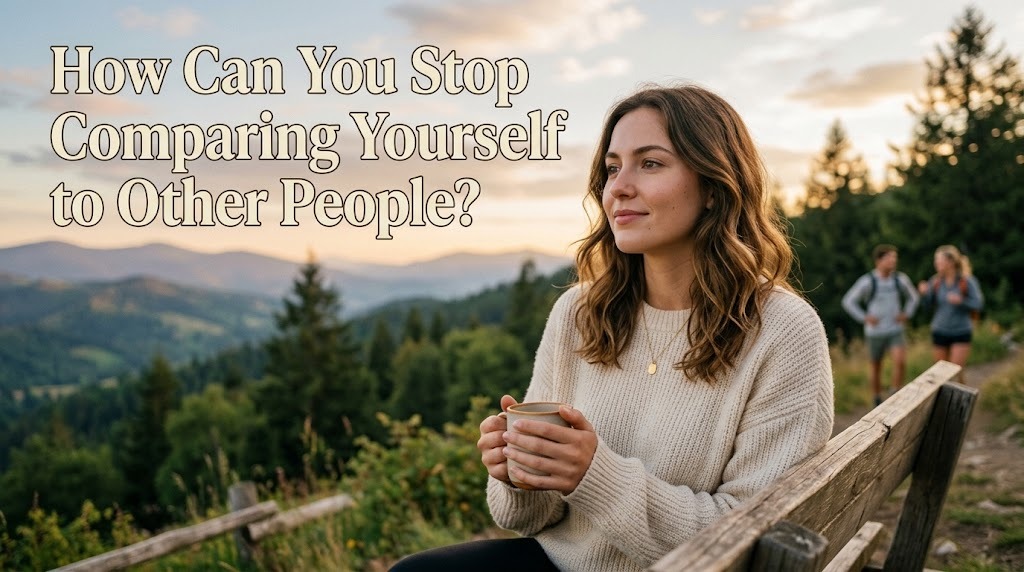
Comparing yourself to other people is a common habit that can affect self-confidence, motivation, and emotional well-being. You may compare your achievements, appearance, education, career, relationships, or lifestyle with those around you. While comparison can sometimes provide inspiration, excessive comparison often creates unnecessary pressure. It can make you focus more on what you lack than what you already have. Learning to stop unhealthy comparison can help you build a more positive relationship with yourself.
UNDERSTAND WHY YOU COMPARE YOURSELF?
The first step is understanding why comparison happens. People often compare themselves when they feel uncertain about their abilities or want approval from others. Social media can make this habit stronger because you constantly see other people's achievements and carefully selected moments. You may forget that what you see is only part of another person's life. Recognizing these triggers can help you become more aware of your thoughts.
Comparison may also come from unrealistic expectations. You might believe that you should achieve the same things as people of the same age or background. However, everyone has different experiences, opportunities, and challenges. Developing Self Awareness allows you to recognize these differences instead of judging yourself unfairly.
FOCUS ON YOUR OWN PERSONAL PROGRESS
One of the most effective ways to reduce comparison is to focus on Personal Progress. Instead of asking whether you are ahead or behind someone else, ask whether you are improving compared with your past self. Think about skills you have learned, problems you have solved, and experiences that have made you stronger. These achievements may seem small, but they are important parts of your development.
You can keep a simple record of your progress by writing down your goals and achievements. Reviewing this list can remind you that growth takes time. Your journey does not need to follow the same timeline as someone else's. When you focus on improvement rather than competition, comparison becomes less controlling.
LIMIT UNHEALTHY SOCIAL MEDIA COMPARISON
Social media can encourage constant comparison because users often share their best moments and achievements. Seeing successful people every day may create the impression that everyone else is living a better life. This can negatively affect your confidence, especially when you already feel insecure. Remember that social media usually does not show someone's complete struggles, failures, or private difficulties.
Creating healthy digital habits can make a significant difference. Consider reducing the amount of time you spend checking content that makes you feel inadequate. You can also follow accounts that provide Positive Inspiration rather than unrealistic standards. Taking regular breaks from social media can give you more space to focus on your own goals.
TURN COMPARISON INTO HEALTHY INSPIRATION
You do not have to avoid every comparison. Instead, learn how to turn comparison into Positive Motivation. When you see someone achieving something you admire, ask what you can learn from their process. Perhaps they developed a useful skill, maintained a consistent routine, or took opportunities that helped them grow. Focusing on their strategies is more productive than judging your own worth against their achievements.
For example, if a friend performs well academically, you can ask about their study methods instead of feeling jealous. Their success can become a source of information rather than insecurity. This approach allows comparison to support Personal Development without creating unnecessary pressure.
BUILD CONFIDENCE THROUGH REALISTIC GOALS
Strong Self Confidence does not come from being better than other people. It develops when you understand your abilities and trust yourself to handle challenges. Setting realistic goals gives you opportunities to experience progress and achievement. Each completed goal can provide evidence that you are capable of learning and improving.
Avoid setting goals simply because someone else has achieved something. Your goals should reflect your own interests, priorities, and circumstances. Focus on what you genuinely want to accomplish and identify practical steps toward it. Over time, this process can strengthen your confidence and reduce the need for external comparison.
ACCEPT THAT EVERYONE HAS A DIFFERENT JOURNEY
Everyone develops at a different pace, and there is no universal timeline for success. Someone may achieve a career goal early while another person may need more time to discover the right direction. These differences do not determine who has a more valuable life. Personal Growth is not a competition with a fixed finish line.
Instead of constantly asking whether you are better or worse than someone else, focus on becoming a better version of yourself. Accept your current situation while continuing to work toward meaningful goals. When you understand that different journeys are normal, you can become more comfortable with your own progress. This mindset can help you feel more confident, focused, and peaceful.
CONCLUSION
Learning How To Stop Comparing Yourself requires awareness, realistic expectations, and consistent effort. Focus on your personal progress, reduce unhealthy social media exposure, and use other people's achievements as sources of inspiration rather than reasons for self-criticism. Building realistic goals can also strengthen confidence and give you a clearer sense of direction. Most importantly, remember that your journey does not need to look like anyone else's. When you stop measuring your worth through other people, you create more space for genuine personal growth.
Tentang Penulis
Gusti Ayu Tita P
Penulis — Universitas STEKOM
Penulis aktif yang berfokus pada isu-isu akademik, teknologi pendidikan, dan pengembangan sumber daya manusia di lingkungan kampus.