
How Can You Store Souvenirs to Keep Them Fresh and Durable?
Gusti Ayu Tita P
4 September 2026
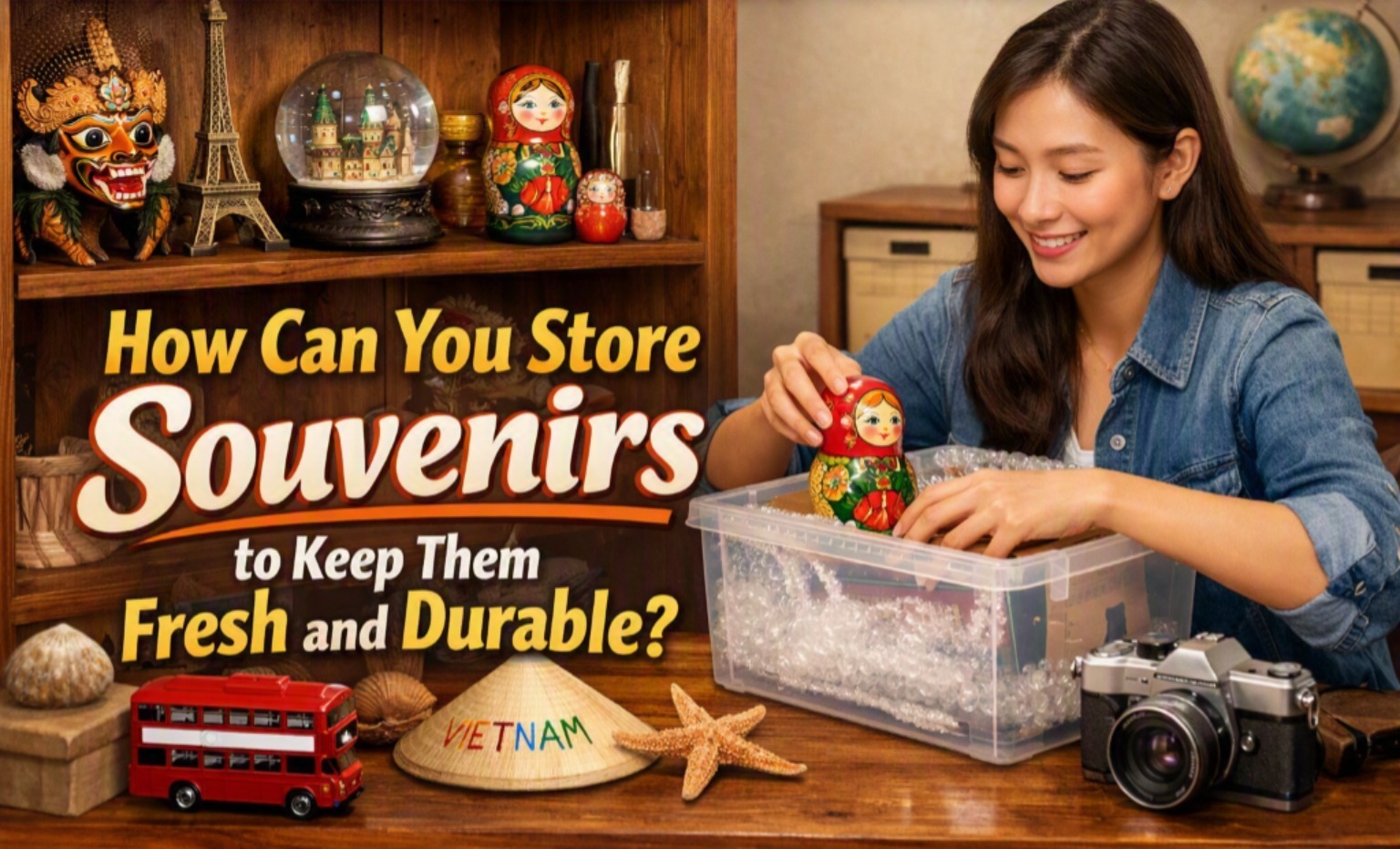
Souvenirs are more than simple items bought during a trip because they can preserve memories, local culture, and special travel experiences. However, souvenirs can lose their quality if they are stored in the wrong place or handled carelessly. Food products may become stale, handmade crafts can collect dust, and fabrics may develop unpleasant odors when exposed to moisture. Therefore, using the right souvenir storage methods can help keep these items attractive, clean, and usable for a longer time. Proper storage also makes it easier to enjoy your souvenirs without worrying about unnecessary damage.
CHOOSE THE RIGHT STORAGE PLACE
The first step is to choose a storage area that is clean, dry, and protected from direct sunlight. Excessive heat and sunlight can fade colors, weaken materials, and change the appearance of some souvenirs. A place with stable temperature and good airflow is generally better than a hot or damp area. Avoid storing delicate souvenirs near windows, kitchens, bathrooms, or other places where humidity and temperature can change quickly. Keeping the storage area clean also reduces the risk of dust, insects, and unpleasant odors.
The type of souvenir should also determine where it is stored. Wooden, fabric, paper, and leather souvenirs usually need protection from moisture, while food souvenirs require appropriate food-safe storage. Small items can be placed in boxes or containers to prevent them from being scratched or lost. Delicate objects should have enough space around them so they do not press against other items. Choosing a suitable location from the beginning can significantly reduce the risk of damage.
STORE FOOD SOUVENIRS PROPERLY
Food souvenirs need special attention because their quality can change faster than non-food items. Before storing them, check the expiration date, packaging condition, and recommended storage instructions. Keep unopened food in its original packaging whenever possible because the packaging is designed to protect the product. Dry foods such as crackers, cookies, and packaged snacks should generally be kept in a cool and dry place. Products that require refrigeration should be placed in the refrigerator as soon as possible after purchase.
Once a food package has been opened, use an airtight container when appropriate to reduce exposure to air and moisture. This can help maintain texture and freshness, although the original product instructions should always take priority. Avoid placing strong-smelling foods next to other souvenirs because odors can transfer to fabrics, paper, or crafts. Food should also be stored separately from decorative items and materials that are not intended for contact with food. These simple steps can help extend the quality of edible souvenirs while reducing waste.
PROTECT FABRIC AND TRADITIONAL SOUVENIRS
Fabric souvenirs such as batik, scarves, woven materials, and traditional clothing should be stored in a clean and completely dry condition. Moisture can encourage mold growth and create unpleasant odors, especially when fabric is folded and left untouched for a long period. Before storage, make sure the item is clean and dry according to its care instructions. Fold it neatly and avoid placing heavy objects on top of delicate fabrics. A breathable storage bag or clean protective covering can provide additional protection from dust.
For long-term storage, check fabric souvenirs occasionally rather than leaving them untouched for months or years. Good ventilation is important because trapped humidity can damage textiles over time. If the material has specific washing or cleaning instructions, follow them carefully instead of using harsh cleaning products. Keep fabrics away from direct sunlight because prolonged exposure can cause colors to fade. Regular inspection helps you notice moisture, insects, stains, or other problems before they become more serious.
HANDLE WOODEN AND HANDMADE CRAFTS WITH CARE
Wooden souvenirs and handmade crafts often have unique finishes that can be affected by humidity, heat, dust, and rough handling. Store them on a stable surface where they will not easily fall or collide with other objects. Avoid placing wooden items in areas with high humidity because repeated moisture exposure can contribute to swelling, cracking, or other changes in the material. Dust can be removed gently with a soft, dry cloth. For products with special finishes, follow the maker's care instructions before applying any cleaning solution.
Handmade items may also contain fragile details such as paint, thread, beads, or small decorative parts. These details should be protected from friction, pressure, and excessive handling. If an item is especially delicate, wrap it with suitable protective material before placing it inside a storage box. Do not stack heavy souvenirs on top of fragile crafts. Proper handling allows handmade souvenirs to retain both their appearance and their sentimental value.
KEEP PAPER AND DELICATE ITEMS AWAY FROM MOISTURE
Paper souvenirs such as postcards, tickets, maps, photographs, and printed materials are highly sensitive to humidity, water, and excessive sunlight. Store them flat when possible and place them inside clean protective sleeves or folders. Avoid tightly packing paper items in damp locations because moisture can cause curling, stains, fading, or mold. If photographs are being preserved, use storage materials designed for photographs rather than ordinary materials that may damage them over time. Keeping paper souvenirs in a controlled environment can greatly improve their longevity.
Small delicate souvenirs can also benefit from individual protection. Separate items that may scratch, stain, or transfer color to one another. Use compartments or small containers for jewelry, ornaments, miniature objects, and other fragile keepsakes. Make sure the storage materials are clean and dry before placing souvenirs inside them. Organizing delicate items carefully not only protects them but also makes them easier to find when you want to revisit your travel memories.
CHECK AND MAINTAIN YOUR SOUVENIRS REGULARLY
Proper storage is not a one-time activity because souvenirs can gradually change even when they are kept indoors. Take time to inspect your souvenirs periodically for dust, moisture, fading, insects, cracks, or unpleasant odors. Food items should be checked more frequently because they have limited shelf lives. Remove expired or damaged food promptly so it does not affect nearby products. For decorative souvenirs, gently clean them according to their materials and condition.
A simple organization system can make long-term souvenir care much easier. Keep similar items together while separating food from decorative or textile products. Labeling storage boxes can help you remember where each souvenir came from and when it was purchased. Avoid overcrowding containers because limited space can cause pressure, scratches, and poor airflow. With regular checks and proper organization, your souvenirs can remain in good condition and continue to serve as meaningful reminders of your travels.
CONCLUSION
Storing souvenirs correctly helps preserve more than their physical appearance. A well-maintained souvenir can retain its color, texture, shape, freshness, and cultural details for a longer period. Proper storage can also prevent avoidable expenses caused by replacing damaged items or throwing away spoiled food. More importantly, souvenirs often have emotional value because they remind people of places, people, and experiences that were meaningful. Taking care of them ensures those memories can be enjoyed for many years.
The best storage method depends on the material, purpose, and condition of each souvenir. Food needs attention to freshness and safety, while fabrics need protection from moisture and sunlight. Handmade crafts require careful handling, and paper products need a dry and protected environment. By matching the storage method to the type of souvenir, you can reduce damage and maintain its quality. A little care after a trip can make your favorite souvenirs last much longer.
Tentang Penulis
Gusti Ayu Tita P
Penulis — Universitas STEKOM
Penulis aktif yang berfokus pada isu-isu akademik, teknologi pendidikan, dan pengembangan sumber daya manusia di lingkungan kampus.