How Can You Turn Toxic Positivity into Healthy Emotional Support?
Gusti Ayu Tita P
11 September 2026
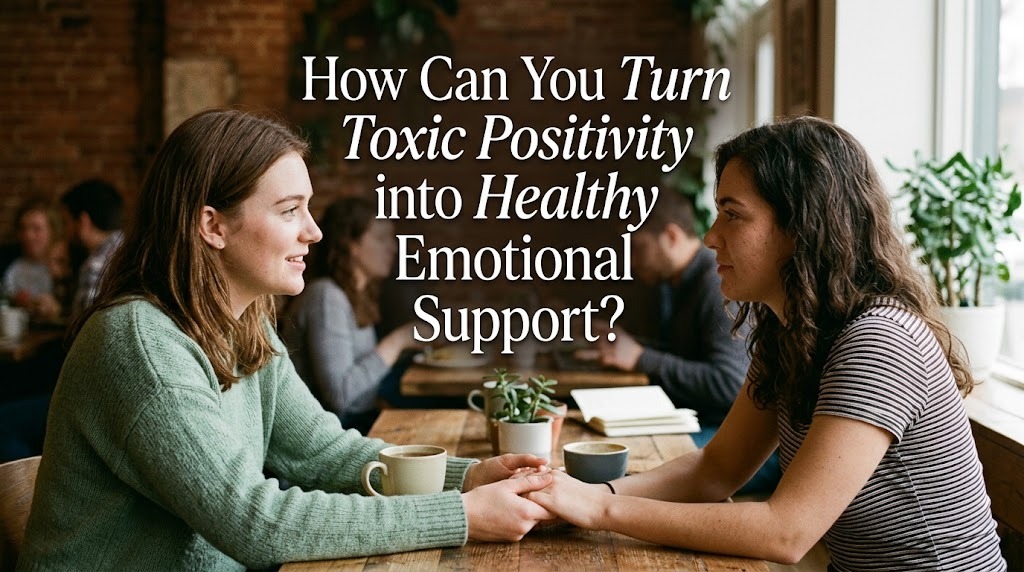
Toxic positivity can happen when people focus too much on positive thinking and ignore difficult emotions. Although positive encouragement can be helpful, dismissing sadness, anger, fear, or disappointment can make someone feel misunderstood. Healthy emotional support requires empathy, active listening, and acceptance of different feelings. By changing the way we respond, toxic positivity can become a more supportive and understanding form of communication.
UNDERSTAND THE DIFFERENCE BETWEEN TOXIC POSITIVITY AND HEALTHY SUPPORT
Toxic positivity often appears when someone responds to a difficult situation with phrases that dismiss negative emotions. Statements such as “Just stay positive” or “Everything happens for a reason” may sound encouraging but can make a person feel that their emotions are not valid. Healthy emotional support recognizes that difficult feelings are a normal part of life. Instead of forcing positivity, it creates space for someone to express what they are experiencing.
LISTEN WITHOUT IMMEDIATELY GIVING ADVICE
One of the simplest ways to provide healthier emotional support is to listen carefully. People who are struggling may need someone who understands their feelings before they need a solution. Avoid interrupting or quickly changing the conversation into something positive. Showing attention and allowing someone to speak can help them feel respected and understood.
REPLACE DISMISSIVE WORDS WITH EMPATHY
The words we choose can significantly affect how supported someone feels. Instead of saying “Do not worry about it,” try saying “I understand why this situation is difficult for you.” Empathetic responses acknowledge the person's emotions without judging them. This approach allows people to feel that their experiences are taken seriously.
GIVE ENCOURAGEMENT AT THE RIGHT TIME
Encouragement is not always wrong, but timing matters. Someone may need to express sadness or frustration before they are ready to hear motivational advice. After listening and acknowledging their feelings, positive encouragement can become more meaningful. Supportive words should help someone move forward rather than pressure them to stop feeling negative emotions.
HELP FIND SOLUTIONS WITHOUT FORCING THEM
Healthy emotional support can include practical help when someone is ready to find a solution. Ask what they need instead of assuming that you know the answer. You can offer suggestions while still respecting their decisions and personal boundaries. This creates a supportive environment where the person feels guided rather than pressured.
ACCEPT NEGATIVE EMOTIONS AS PART OF LIFE
Sadness, disappointment, fear, anger, and frustration are not automatically signs of weakness or failure. Learning to accept these emotions can prevent the pressure to appear happy all the time. Emotional health involves understanding and managing feelings rather than pretending that difficult emotions do not exist. Accepting emotions can also make positive feelings more genuine.
BUILD HEALTHIER EMOTIONAL COMMUNICATION
Turning toxic positivity into healthy support requires consistent communication. Ask open questions, listen without judgment, acknowledge emotions, and offer help when appropriate. It is also important to respect when someone needs time or space to process their feelings. These habits can create stronger relationships because people feel safe expressing themselves honestly.
CONCLUSION
Toxic positivity can be transformed into healthy emotional support by replacing emotional dismissal with empathy, listening, and genuine understanding. Positive encouragement is most helpful when it comes after someone's feelings have been acknowledged. By accepting both positive and negative emotions, we can build healthier communication and stronger relationships.
Tentang Penulis
Gusti Ayu Tita P
Penulis — Universitas STEKOM
Penulis aktif yang berfokus pada isu-isu akademik, teknologi pendidikan, dan pengembangan sumber daya manusia di lingkungan kampus.