How Can You Understand and Care for Your Inner Child with Simple Steps?
Gusti Ayu Tita P
11 September 2026
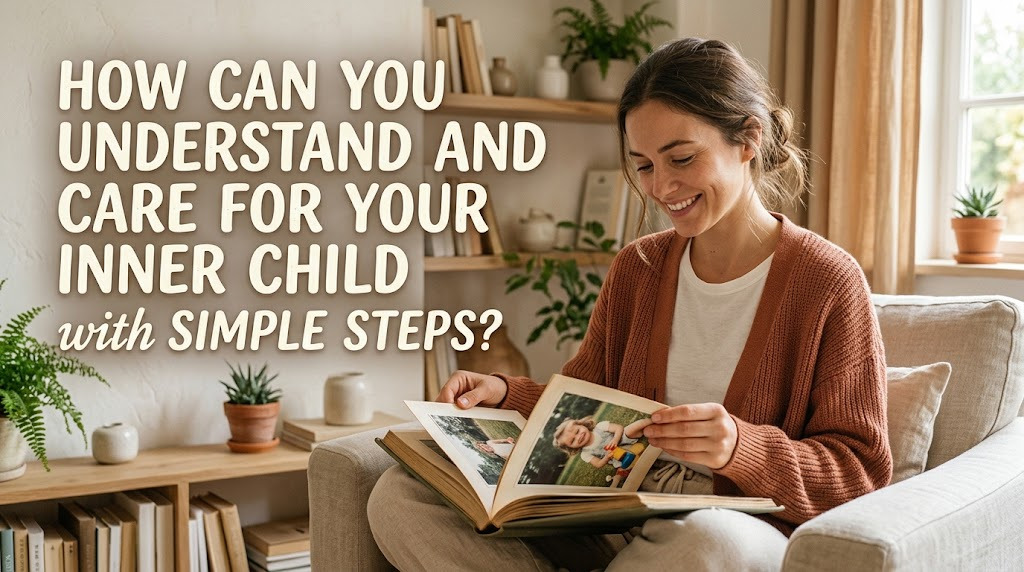
The inner child is a psychological concept often used to describe childhood experiences, emotions, memories, and needs that may continue to feel meaningful later in life. Understanding and caring for the inner child generally means becoming more aware of these experiences while developing healthier ways to respond to emotions in the present. It is not a medical diagnosis and should not be viewed as a single explanation for every emotional challenge.
Childhood experiences can be one influence on emotional development, but many other factors also shape how people think and behave. Current relationships, environment, personality, education, and experiences throughout life can all contribute to personal development. With patience and self awareness, understanding the inner child can become a useful part of learning more about yourself.
RECOGNIZE YOUR EMOTIONS AND NEEDS
The first step is to pay attention to emotions that appear in different situations. Feelings such as sadness, fear, disappointment, frustration, or insecurity can provide information about what you may need at that moment. Instead of immediately judging an emotion, take a moment to identify what you are feeling and what happened before it appeared. This can improve emotional awareness.
It can also be helpful to identify basic needs behind an emotional response. You may need rest, personal space, encouragement, support, or an opportunity to communicate your thoughts. Recognizing these needs does not mean every feeling requires immediate action. It simply helps you understand yourself more clearly and choose an appropriate response.
VALIDATE YOUR FEELINGS
Emotional validation means acknowledging your feelings without immediately criticizing yourself for having them. Feeling worried, disappointed, or uncomfortable does not automatically mean that something is wrong with you. Recognizing an emotion can create an opportunity to understand it before deciding how to respond.
Practicing self acceptance can make this process easier. You can acknowledge that a feeling is real while still choosing behavior that is respectful and appropriate. This distinction allows you to care for your emotional needs without using difficult emotions as a reason to avoid responsibility.
PRACTICE SIMPLE SELF CARE
Caring for yourself can involve simple activities that support everyday well-being. Getting enough rest, maintaining regular routines, enjoying hobbies, spending time with supportive people, and taking appropriate breaks can all be useful. Self care does not have to be expensive or complicated.
The most important part is choosing activities that genuinely support your needs. If you are tired, appropriate rest may be more helpful than forcing yourself to stay productive. Developing consistent self care habits can create a stronger foundation for managing emotions and daily challenges.
LEARN TO SET HEALTHY BOUNDARIES
Healthy boundaries allow people to communicate their limits and needs respectfully. If you often agree to things that make you uncomfortable, learning to say no can be an important skill. Boundaries can also involve protecting personal time, asking for respectful treatment, or deciding when you need space.
Setting healthy boundaries does not mean rejecting other people or becoming unwilling to compromise. Instead, it encourages mutual respect in relationships. Developing this skill gradually can help you feel more comfortable communicating your needs while respecting the needs of others.
SEEK SUPPORT WHEN NECESSARY
Understanding personal experiences does not always have to be done alone. Talking with a trusted adult, supportive family member, teacher, school counselor, or another reliable person can provide encouragement and a different perspective. Sharing your thoughts with someone you trust can make difficult emotions easier to understand.
If emotional difficulties become persistent or interfere with everyday activities, speaking with a qualified mental health professional can also be appropriate. Professional support can provide a suitable space to explore emotions and experiences safely. Seeking support is a responsible part of personal growth, not a sign of weakness.
CONCLUSION
Understanding and caring for the inner child can begin with recognizing emotions and needs, validating feelings, practicing simple self care, setting healthy boundaries, and seeking support when necessary. These steps can encourage greater self awareness and help people develop healthier responses to emotional experiences. However, childhood is only one possible influence on a person's emotional and behavioral patterns.
The goal is not to blame the past or force yourself to change quickly. Instead, focus on self acceptance, present needs, and healthy choices that support your well-being. With patience, reflection, and appropriate support, understanding the inner child can become a useful part of personal growth.
Tentang Penulis
Gusti Ayu Tita P
Penulis — Universitas STEKOM
Penulis aktif yang berfokus pada isu-isu akademik, teknologi pendidikan, dan pengembangan sumber daya manusia di lingkungan kampus.