How Digital Technology Improves Public Transit Services?
Gusti Ayu Tita P
11 Agustus 2026
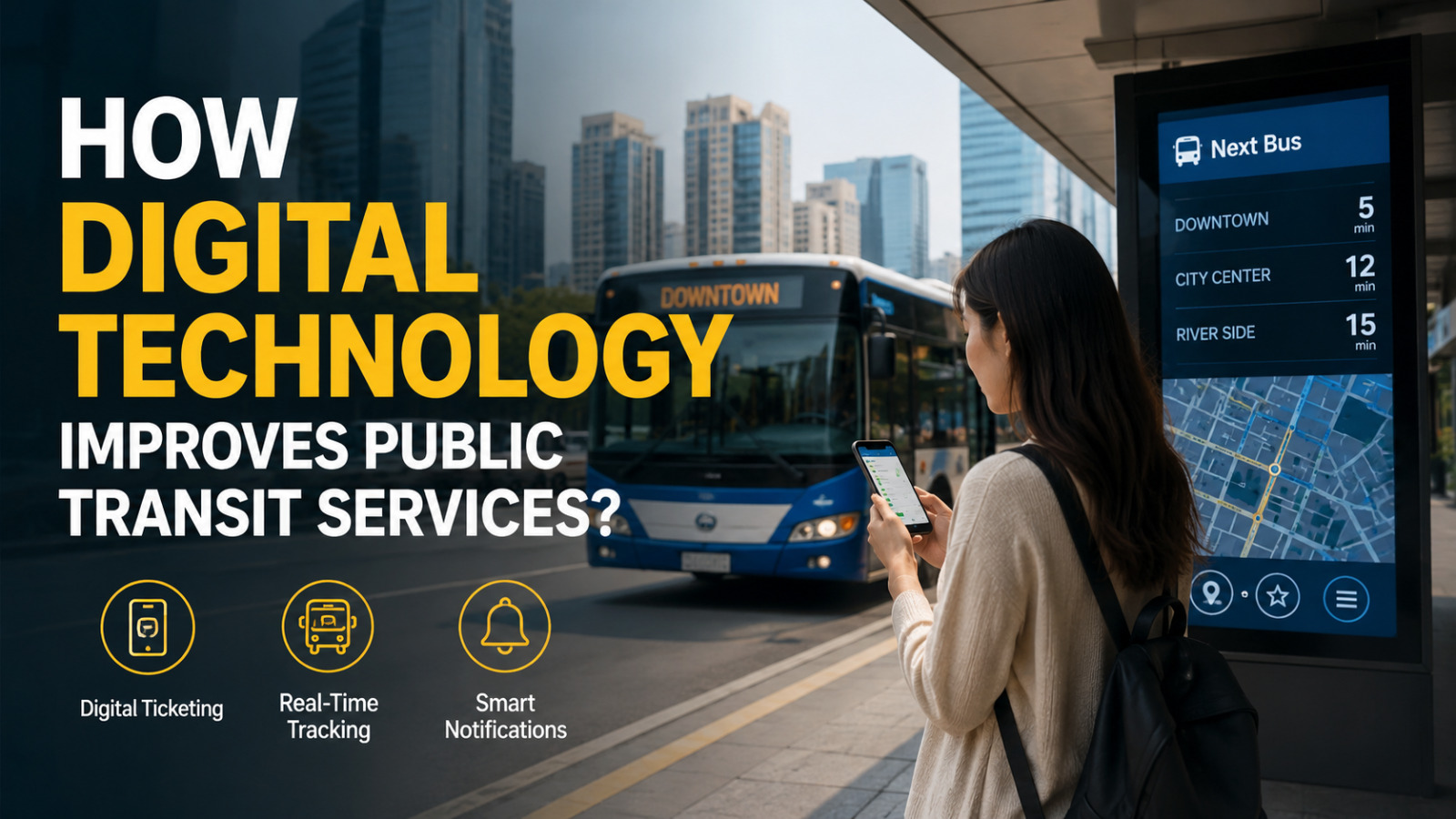
Public transportation is becoming more efficient as digital technology continues to change the way people travel. Modern transit systems now use digital tools to provide better information, improve operations, and make journeys more convenient. From mobile ticketing to real time tracking, technology helps passengers make better travel decisions. It also allows transportation operators to manage vehicles and services more effectively. As cities continue to grow, smart public transit is becoming increasingly important for creating reliable and accessible urban mobility.
REAL TIME TRANSIT INFORMATION
One of the most useful applications of digital technology in public transportation is real time information. Passengers can use mobile applications, websites, and digital displays to check vehicle locations, arrival times, delays, and route changes. This information helps travelers plan their journeys more accurately and avoid unnecessary waiting. It is especially helpful when unexpected delays or service disruptions occur. With better information, passengers can choose alternative routes and manage their travel time more effectively.
Real time information also improves communication between transportation operators and passengers. Instead of relying only on printed schedules, travelers can receive updated service information through digital platforms. Notifications can inform passengers about delays, cancellations, maintenance work, or changes in routes. This creates a more transparent relationship between transit providers and the communities they serve. As a result, digital communication can increase passenger confidence in public transportation.
MOBILE TICKETING AND DIGITAL PAYMENTS
Digital technology has also made paying for public transportation easier. Many transit systems now provide mobile ticketing that allows passengers to purchase or store tickets using smartphones. Contactless cards and digital payment systems can also reduce the need for cash and physical tickets. These options can make boarding faster, particularly at busy stations and during peak travel periods. A simpler payment process can improve the overall efficiency of public transportation.
Digital payments can also provide useful data for transit operators. Information about payment activity can help agencies understand passenger demand and identify busy routes or travel periods. This data can support better decisions about service planning and resource allocation. At the same time, transit providers need strong cybersecurity and privacy measures to protect passenger information. When implemented responsibly, digital payment systems can make public transit more convenient and efficient.
SMARTER TRANSPORTATION OPERATIONS
Digital technology does not only benefit passengers; it also improves how transportation systems operate. Transit agencies can use GPS technology, sensors, and data platforms to monitor buses, trains, and other vehicles. Operators can track vehicle locations and identify potential service problems more quickly. This allows transportation managers to respond to disruptions and adjust services when necessary. Better monitoring can contribute to more reliable public transportation.
Data analysis can also help operators understand travel patterns across different areas and times. By studying passenger demand, agencies can make informed decisions about vehicle schedules, routes, and fleet management. Predictive maintenance technologies may help identify equipment problems before they cause major disruptions. This can reduce unexpected breakdowns and improve operational reliability. Over time, smarter management can help transit systems use their resources more effectively.
IMPROVING PASSENGER SAFETY
Technology can play an important role in making public transportation safer. Digital surveillance systems, emergency communication tools, and vehicle monitoring technologies can help transportation authorities respond to incidents more quickly. Some modern vehicles are equipped with sensors that can provide information about vehicle conditions and potential technical problems. These technologies can support drivers, operators, and maintenance teams in managing safety risks. However, technology should complement well-trained staff and strong safety procedures rather than replace them.
Digital systems can also improve passenger communication during emergencies. Transit operators can send instant alerts about service interruptions, unsafe conditions, or emergency procedures. Clear information can help passengers understand what is happening and what actions they should take. Better communication is particularly valuable in crowded stations and during major disruptions. Combining digital tools with effective emergency planning can create a safer and more prepared transit environment.
PERSONALIZED AND ACCESSIBLE TRAVEL
Digital technology can make public transportation more convenient for different types of passengers. Mobile applications can provide route planning, estimated arrival times, and connections between different modes of transport. Some platforms can also offer information designed to support passengers with disabilities, such as accessible stations and elevators. This helps people choose routes that match their individual needs. Accessible digital services can make public transportation easier to use for a wider range of travelers.
Personalized travel information can also reduce the complexity of using large transit networks. Instead of studying multiple schedules and maps, passengers can enter their destination and receive suggested routes. Integration between buses, trains, cycling services, and other transportation options can provide a more connected journey. This approach supports multimodal transportation, where different travel methods work together. Better integration can encourage more people to consider public transportation for their daily activities.
CONCLUSION
Digital technology is transforming public transportation by improving information, payment systems, operations, safety, and passenger convenience. Real time tracking, mobile ticketing, data analysis, and smart monitoring can help transit systems become more reliable and responsive. These improvements can make public transportation easier to use while helping operators manage growing urban demand. However, successful digital transformation requires strong infrastructure, cybersecurity, privacy protection, and proper planning. By using technology responsibly, cities can build public transit services that are more efficient, accessible, safe, and passenger focused.
Tentang Penulis
Gusti Ayu Tita P
Penulis — Universitas STEKOM
Penulis aktif yang berfokus pada isu-isu akademik, teknologi pendidikan, dan pengembangan sumber daya manusia di lingkungan kampus.