
How Do Class Meetings Build Leadership and Teamwork Skills?
Gusti Ayu Tita P
31 Juli 2026
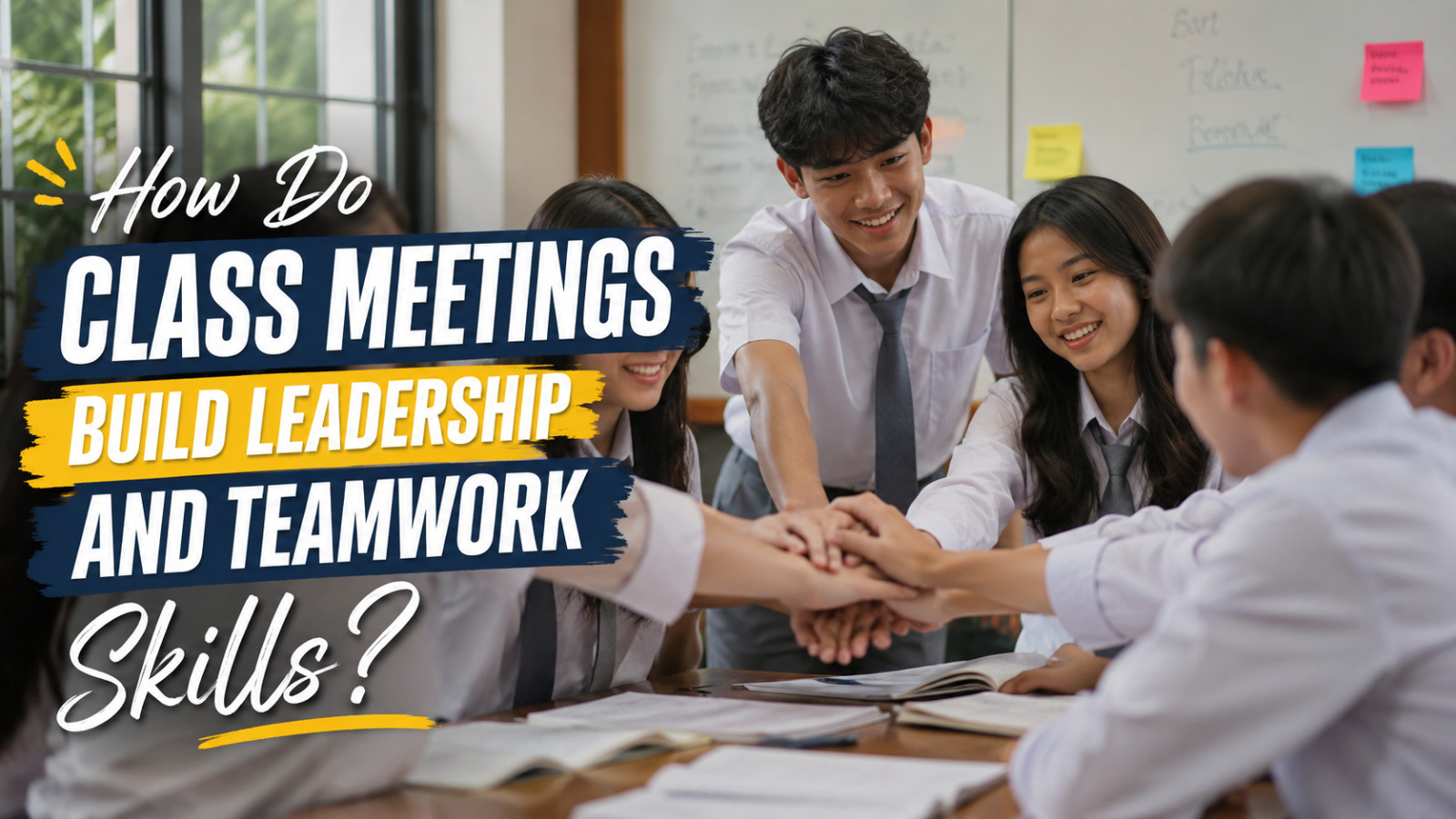
Class meetings are more than just school gatherings. They provide students with opportunities to communicate, collaborate, and solve problems together while preparing for class events or activities. Every student, regardless of their role, can learn valuable life skills through active participation in these meetings.
One of the greatest benefits of class meetings is the development of leadership and teamwork. These abilities are not only useful during school years but also become essential in higher education, future careers, and everyday life. By working together toward shared goals, students gain confidence, responsibility, and respect for others.
WHY CLASS MEETINGS ENCOURAGE LEADERSHIP
Class meetings naturally create opportunities for students to take on leadership roles. Some students become class leaders, event coordinators, committee members, or group representatives. Even students who are not officially assigned leadership positions still practice making decisions and taking responsibility for tasks. This helps them understand that leadership is about guiding others, not simply giving instructions.
Students also learn how to communicate clearly, motivate classmates, and manage different opinions. They discover the importance of listening before making decisions and respecting everyone's ideas. These experiences strengthen their confidence and prepare them for leadership opportunities both inside and outside the classroom.
HOW TEAMWORK DEVELOPS DURING CLASS MEETINGS
Every successful class meeting depends on teamwork. Students work together to organize activities, divide responsibilities, and complete projects efficiently. Each person contributes according to their strengths, making the entire team more productive. This teaches students that success is achieved through cooperation, not individual effort alone.
Working in teams also helps students improve their problem-solving skills. When challenges arise, classmates discuss possible solutions instead of blaming each other. They learn to support one another, adapt to unexpected situations, and celebrate shared achievements. These experiences create stronger friendships and a more positive classroom environment.
COMMUNICATION SKILLS GROW THROUGH ACTIVE PARTICIPATION
Class meetings encourage students to express their opinions confidently while respecting the views of others. Speaking in front of classmates helps reduce nervousness and improves public speaking abilities. Students gradually become more comfortable sharing ideas, asking questions, and providing constructive feedback. These communication skills are valuable in school presentations and future workplaces.
Listening is equally important during meetings. Students practice active listening by paying attention to others before responding. This improves understanding, reduces misunderstandings, and encourages respectful discussions. As a result, communication within the class becomes more effective and productive.
RESPONSIBILITY AND ACCOUNTABILITY BECOME DAILY HABITS
Every class meeting includes tasks that require students to be responsible. Whether preparing decorations, managing schedules, or coordinating activities, students learn that every role contributes to overall success. Completing assigned responsibilities teaches them to become dependable and organized.
Students also experience accountability when they report their progress or explain completed work. If mistakes happen, they learn to accept responsibility and find ways to improve instead of making excuses. These habits develop maturity and prepare students for future academic and professional responsibilities.
CLASS MEETINGS PREPARE STUDENTS FOR FUTURE SUCCESS
The leadership and teamwork skills gained during class meetings extend far beyond school activities. Universities, employers, and organizations highly value individuals who can collaborate effectively and lead responsibly. Students who actively participate in meetings become more adaptable when facing new challenges and opportunities.
Class meetings also help students build self-confidence, improve decision-making, and strengthen interpersonal relationships. These experiences prepare them to become responsible leaders who can work well with diverse groups of people. The lessons learned today continue to benefit students throughout their personal and professional lives.
CONCLUSION
Class meetings are powerful learning experiences that help students develop leadership, teamwork, communication, and responsibility. Through active participation, students gain practical skills that cannot always be learned from textbooks alone. They become more confident in expressing ideas, solving problems, and working with others toward common goals. These valuable experiences prepare students for success in school, higher education, future careers, and everyday life. Participating in class meetings is an excellent way to grow into a capable, cooperative, and responsible individual.
Tentang Penulis
Gusti Ayu Tita P
Penulis — Universitas STEKOM
Penulis aktif yang berfokus pada isu-isu akademik, teknologi pendidikan, dan pengembangan sumber daya manusia di lingkungan kampus.