How Do Smartwatches Help Monitor Health More Easily?
Gusti Ayu Tita P
10 September 2026
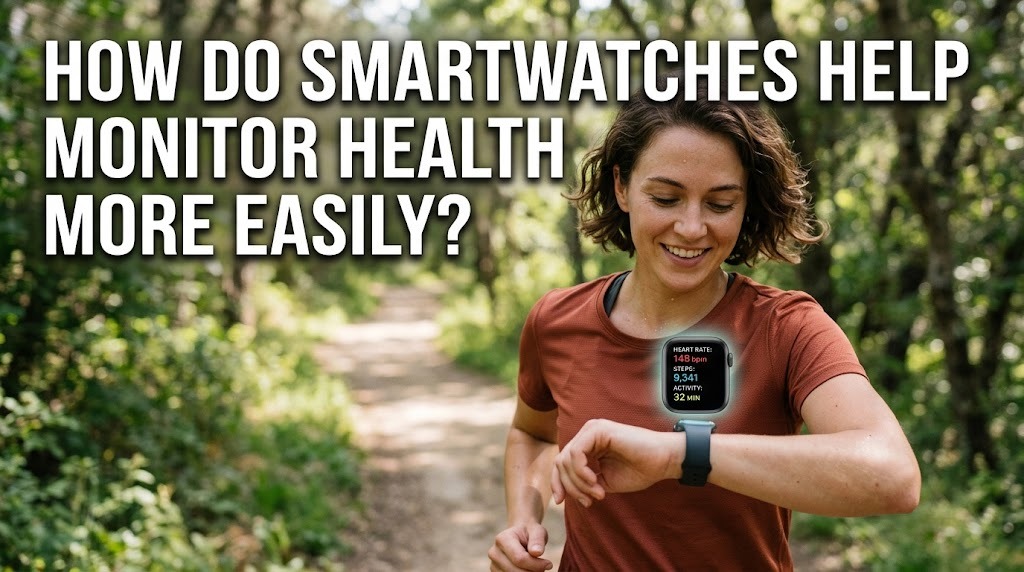
Smartwatches have become popular devices for supporting everyday health awareness. Many models include sensors that collect information about physical activity and selected health indicators. Users can view this information directly from their wrists or through a connected smartphone application. Health monitoring allows people to become more aware of their daily habits. However, smartwatch data should be treated as general information and not as a replacement for professional medical evaluation.
The information collected by a smartwatch can help users observe patterns over time. For example, users may compare their daily activity levels or review their sleep records. This information can encourage people to pay greater attention to their lifestyle. The usefulness of the data depends on consistent use and proper understanding of the available features. Users should also check the device specifications because health features differ between smartwatch models.
MONITORING DAILY PHYSICAL ACTIVITY
Activity tracking is one of the most common health features available on modern smartwatches. Devices can often record steps, movement, exercise duration, and estimated activity levels. This information helps users understand how active they are throughout the day. Activity Tracking can encourage people to move more regularly and maintain consistent exercise habits. Users can also set realistic daily goals based on their individual routines.
Tracking physical activity does not require complicated procedures because the smartwatch can collect information automatically. Users can review their progress after walking, running, cycling, or performing other supported activities. Seeing daily progress may provide additional motivation to stay active. However, users should focus on sustainable habits rather than becoming overly focused on numerical targets. Regular movement and balanced routines are generally more important than achieving a specific number every day.
USING HEART RATE FEATURES
Many smartwatches include sensors that can monitor heart rate during selected activities and periods of rest. Users can view general heart rate information through the device or its companion application. This feature can help users understand how their heart rate changes during exercise or daily activities. Heart Rate Monitoring can also provide useful context when reviewing workout performance. Nevertheless, smartwatch readings may not always be perfectly accurate and should not be used alone to diagnose health conditions.
Heart rate information can be especially useful when users compare patterns across different activities. For example, users can observe how their heart rate changes during exercise and recovery. This can help them understand their general activity responses. If a user notices unusual or concerning symptoms, professional medical advice should be sought rather than relying only on smartwatch data. Responsible interpretation is important when using health-related technology.
TRACKING SLEEP PATTERNS
Sleep monitoring is another feature that can help users understand their daily routines. Compatible smartwatches may record estimated sleep duration and different sleep periods. Users can review this information to identify patterns in their sleeping habits. Sleep Monitoring may encourage people to develop more consistent sleep schedules. The results should still be considered estimates because smartwatch sensors cannot provide the same level of assessment as professional sleep testing.
Users can combine sleep information with their daily activity records to understand their overall routine. For example, they may notice that irregular schedules affect their sleep duration. This awareness can encourage users to create healthier bedtime habits. Maintaining a comfortable sleep environment and consistent schedule can also support better rest. Smartwatch data can serve as a helpful reference while users make practical lifestyle adjustments.
RECEIVING WELLNESS REMINDERS
Smartwatches can provide reminders that encourage users to pay attention to their physical well-being. Some devices can remind users to move after being inactive for a certain period. Others can provide reminders related to exercise, hydration, relaxation, or scheduled activities. Wellness Features can make health-related habits easier to remember during busy days. These reminders are particularly useful for people who spend long periods studying, working, or sitting.
Users can adjust wellness reminders according to their personal routines. Setting too many notifications may become distracting, so only useful reminders should remain active. A simple reminder can encourage a short walk or break without significantly interrupting an activity. Over time, repeated reminders may help users develop more consistent habits. The goal should be to support a balanced lifestyle rather than create pressure to constantly monitor health information.
USING HEALTH DATA RESPONSIBLY
Smartwatch health data can be useful, but users need to understand its limitations. Different devices use different sensors, algorithms, and measurement methods, so results may vary between models. Users should avoid interpreting a single measurement as a definite indication of a health condition. Health Data is most useful when viewed as general information that can support awareness of daily habits. When health concerns arise, users should consult qualified health professionals.
Privacy is also an important consideration when using health-related technology. Users should understand what information their smartwatch and connected applications collect. Reviewing privacy settings can help users manage access to personal data. Strong account security is also important when health information is stored digitally. Responsible use allows users to benefit from smartwatch technology while maintaining awareness of accuracy, privacy, and personal well-being.
CONCLUSION
Smartwatches can make everyday health awareness more convenient through activity tracking, heart rate features, sleep monitoring, and wellness reminders. Health Monitoring allows users to observe general patterns and become more aware of their daily habits. These features can encourage healthier routines when used consistently and responsibly. However, smartwatch data has limitations and should not replace professional medical advice. With proper use, smartwatches can become practical tools for supporting health awareness in modern daily life.
Tentang Penulis
Gusti Ayu Tita P
Penulis — Universitas STEKOM
Penulis aktif yang berfokus pada isu-isu akademik, teknologi pendidikan, dan pengembangan sumber daya manusia di lingkungan kampus.