How Do Social Media Trends Affect Student Life?
Gusti Ayu Tita P
28 September 2026
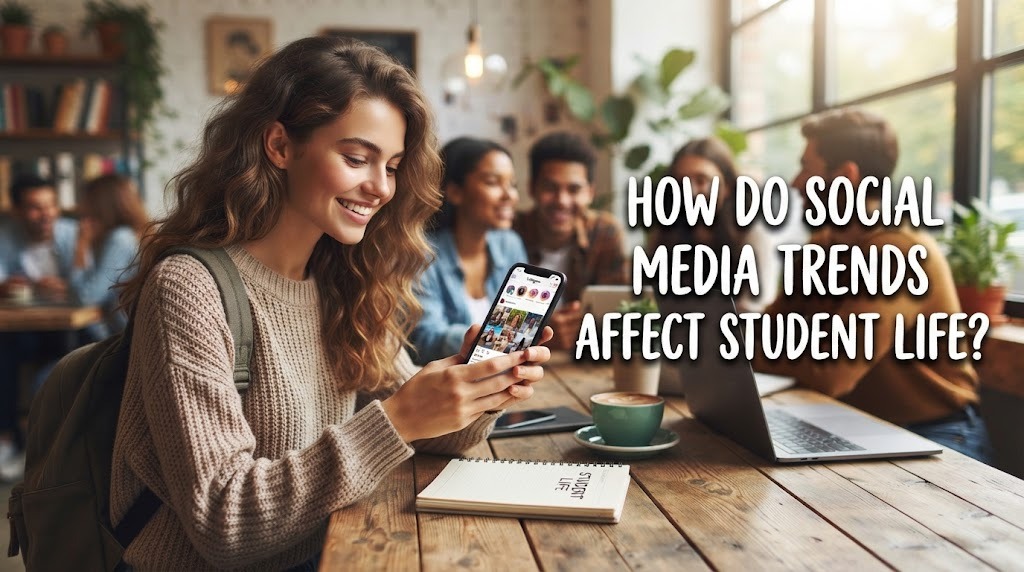
Social media has become an important part of modern student life. Platforms such as social networking applications, video-sharing services, and online communities allow students to communicate, share ideas, follow trends, and access information quickly. Social media trends can influence how students communicate, study, socialize, and express themselves.
These trends can provide many benefits, but they can also create challenges when students use social media without proper control. Understanding the effects of social media trends can help students use digital platforms more responsibly while maintaining their academic and personal priorities.
SOCIAL MEDIA CHANGES HOW STUDENTS COMMUNICATE
Social media has made communication faster and more convenient for students. They can communicate with classmates, friends, lecturers, and student communities without always meeting face to face. Instant communication allows students to exchange information and stay connected more easily.
Students can also use group chats and online communities to discuss assignments, campus activities, and academic projects. However, online communication can sometimes create misunderstandings because messages do not always show tone or emotion clearly. Students therefore need good digital communication skills when interacting through social media.
SOCIAL MEDIA INFLUENCES STUDENT LEARNING
Social media can become an additional source of learning for students. Educational accounts, short videos, online discussions, and professional communities can provide useful information outside traditional classrooms. Students can discover new ideas and learning resources through social media.
However, social media also contains entertainment and unrelated content that can easily distract students. Spending too much time scrolling may reduce concentration and study time. Students need to manage their screen time so social media supports learning instead of interfering with academic responsibilities.
SOCIAL MEDIA AFFECTS STUDENT SOCIAL RELATIONSHIPS
Social media allows students to maintain relationships even when they live or study in different places. Students can share experiences, discuss interests, and participate in online communities with people who have similar backgrounds or hobbies. Online interaction can help students build and maintain social connections.
At the same time, digital relationships do not always replace the value of direct interaction. Students may become too dependent on online communication and have fewer opportunities to develop face-to-face communication skills. A balance between online and offline relationships can support healthier student social life.
SOCIAL MEDIA TRENDS INFLUENCE STUDENT BEHAVIOR
Viral content and popular trends can influence the way students dress, communicate, spend their free time, or express their opinions. Some trends can encourage creativity, participation, and positive activities. Social media can give students opportunities to express their personality and interests.
However, students may also feel pressure to follow trends simply because many people are doing the same thing. This can lead to unnecessary comparison or spending. Students should think critically about whether a trend is useful and appropriate before following it.
SOCIAL MEDIA CAN AFFECT STUDENT WELL-BEING
Constant exposure to other people's activities can influence how students view their own lives. Social media often presents selected moments rather than complete everyday experiences. Comparing personal life with carefully presented online content can create unrealistic expectations.
Students can reduce these effects by limiting unnecessary scrolling and choosing content that provides useful or positive value. Taking regular breaks from social media can also help students focus on their real-life activities. Healthy social media habits can support a more balanced student lifestyle.
SOCIAL MEDIA SUPPORTS PERSONAL AND CAREER DEVELOPMENT
Social media is not only useful for entertainment and communication. Students can use professional platforms and online communities to learn about internships, career opportunities, events, and industry developments. A responsible digital presence can support future career preparation.
Students can also share academic projects, creative work, achievements, and professional interests online. However, they should consider how their posts may be viewed by others. Building a positive digital footprint can help students present themselves professionally before entering the workplace.
STUDENTS NEED RESPONSIBLE SOCIAL MEDIA HABITS
The impact of social media largely depends on how students use it. Students can create healthy habits by setting screen-time limits, avoiding unnecessary distractions, checking information before sharing it, and protecting their personal data. Responsible social media use requires awareness, self-control, and digital literacy.
Students should also remember that not every online trend needs to be followed. Choosing useful content, maintaining real-world relationships, and prioritizing academic responsibilities can help create a healthier balance. The goal is not to avoid social media completely but to use it in a way that supports student development.
CONCLUSION
Social media trends can affect many aspects of student life, including communication, learning, relationships, behavior, well-being, and career development. These platforms can provide useful opportunities for students to learn, connect with others, express themselves, and discover professional opportunities.
However, excessive or careless social media use can create distractions, comparison, communication problems, and unhealthy habits. Students who develop responsible social media habits can gain the benefits of digital platforms while reducing their negative effects. A balanced approach can help social media become a useful part of student life rather than a major distraction.
Tentang Penulis
Gusti Ayu Tita P
Penulis — Universitas STEKOM
Penulis aktif yang berfokus pada isu-isu akademik, teknologi pendidikan, dan pengembangan sumber daya manusia di lingkungan kampus.