How Do Social Media Trends Create Career Opportunities In The Digital Era?
Gusti Ayu Tita P
18 September 2026
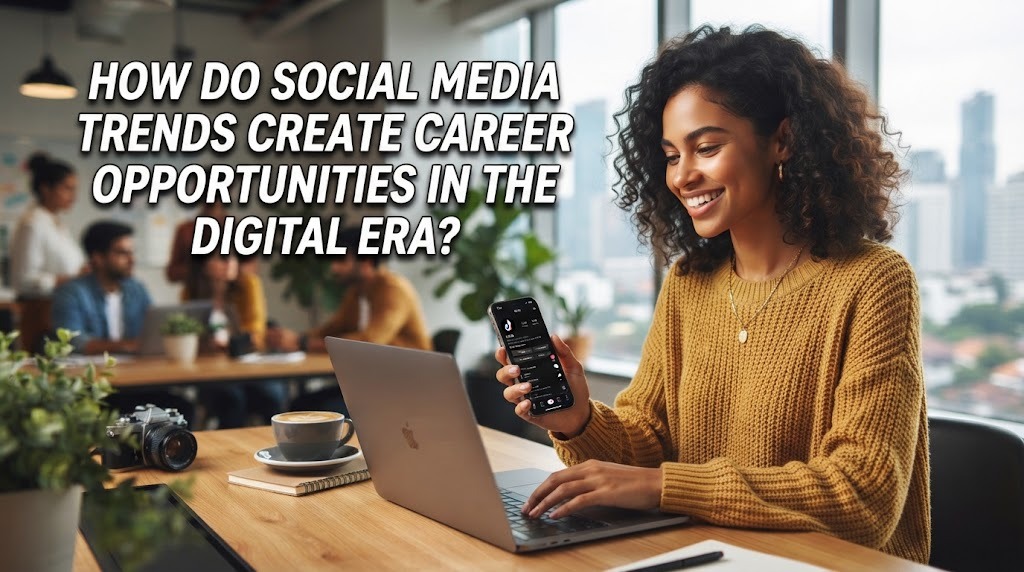
The growth of social media has changed the way people communicate, promote ideas, and build professional networks. New trends can create demand for people who understand content creation, digital communication, marketing, and online communities. Social media trends can therefore become connected to different career opportunities in the digital era. However, turning trends into professional opportunities requires relevant skills, creativity, and responsible digital behavior.
CREATING NEW DIGITAL JOB ROLES
The development of social media has contributed to the growth of roles related to digital content and online communication. Companies may need people who can plan content, manage social accounts, create videos, write captions, analyze performance, or communicate with online audiences. Examples include social media specialists, content creators, digital marketers, and community managers. The exact responsibilities can vary depending on the organization and position.
New platforms and content formats can also create changing demands for digital skills. A person who understands how to produce short videos, manage online communities, or analyze social media data may find opportunities in different industries. However, trends can change quickly, so workers need to continue learning. Adaptability is an important part of developing a career in the digital sector.
SUPPORTING FREELANCE AND CREATIVE WORK
Social media trends can create opportunities for people who work independently. Freelancers can offer services such as video editing, graphic design, copywriting, photography, content planning, or social media management. Creative skills can be displayed through social media accounts and digital portfolios. This can help potential clients understand the type and quality of work a freelancer provides.
Creators can also develop their own content and potentially build audiences around specific interests. Some may earn income through brand collaborations, platform-based monetization programs, digital products, or services, depending on platform rules and eligibility. Income is not guaranteed and can vary significantly. Building useful content and maintaining audience trust are important for sustainable creative work.
EXPANDING PROFESSIONAL NETWORKS
Social media allows professionals and job seekers to connect beyond their immediate location. People can follow companies, industry experts, professional communities, and organizations related to their career interests. Professional networking can provide access to discussions, events, educational resources, and job information. Meaningful online interactions can also help people learn from experienced professionals.
Networking should be approached with professionalism and respect. Users can contribute to discussions, share relevant work, and communicate with others about topics related to their field. They should avoid misleading self-promotion or sending unwanted messages repeatedly. A positive professional reputation can develop through consistent and appropriate online behavior.
BUILDING A DIGITAL PORTFOLIO
Social media can function as a public space for presenting professional work. A person can share designs, articles, videos, photography, presentations, projects, or other examples of their abilities. Digital portfolios can provide practical evidence of skills beyond what is written on a resume. This can be especially useful for careers where employers or clients need to see examples of previous work.
A portfolio should be organized and updated regularly. Each project should explain the creator's contribution when it involves teamwork. Users should also respect copyright, confidentiality, and privacy when sharing professional materials. A carefully managed portfolio can communicate both technical ability and professional responsibility.
DEVELOPING SKILLS FOR THE DIGITAL WORKPLACE
Following social media trends can encourage people to develop skills that are useful in digital work. These may include content creation, video editing, communication, data analysis, storytelling, and digital marketing. The most useful skills depend on the career path and specific job requirements. Learning should therefore be connected to realistic professional goals.
People can improve their skills through practice, online courses, personal projects, internships, or professional experience. They can also study successful content to understand why certain formats attract particular audiences. At the same time, creators should not assume that every viral technique will remain effective. Continuous learning helps professionals respond to changes in technology and audience behavior.
CONCLUSION
Social media trends can contribute to career opportunities by supporting digital jobs, freelance work, professional networking, digital portfolios, and skill development. They can help people demonstrate their abilities and connect with audiences, companies, clients, and professional communities. However, social media success is not automatic, and trends can change quickly. Building useful skills, maintaining professionalism, and continuing to learn can help people make better use of opportunities in the digital era.
Tentang Penulis
Gusti Ayu Tita P
Penulis — Universitas STEKOM
Penulis aktif yang berfokus pada isu-isu akademik, teknologi pendidikan, dan pengembangan sumber daya manusia di lingkungan kampus.