
How Does Ethical Decision Making Shape Successful Political Leadership?
Gusti Ayu Tita P
31 Juli 2026
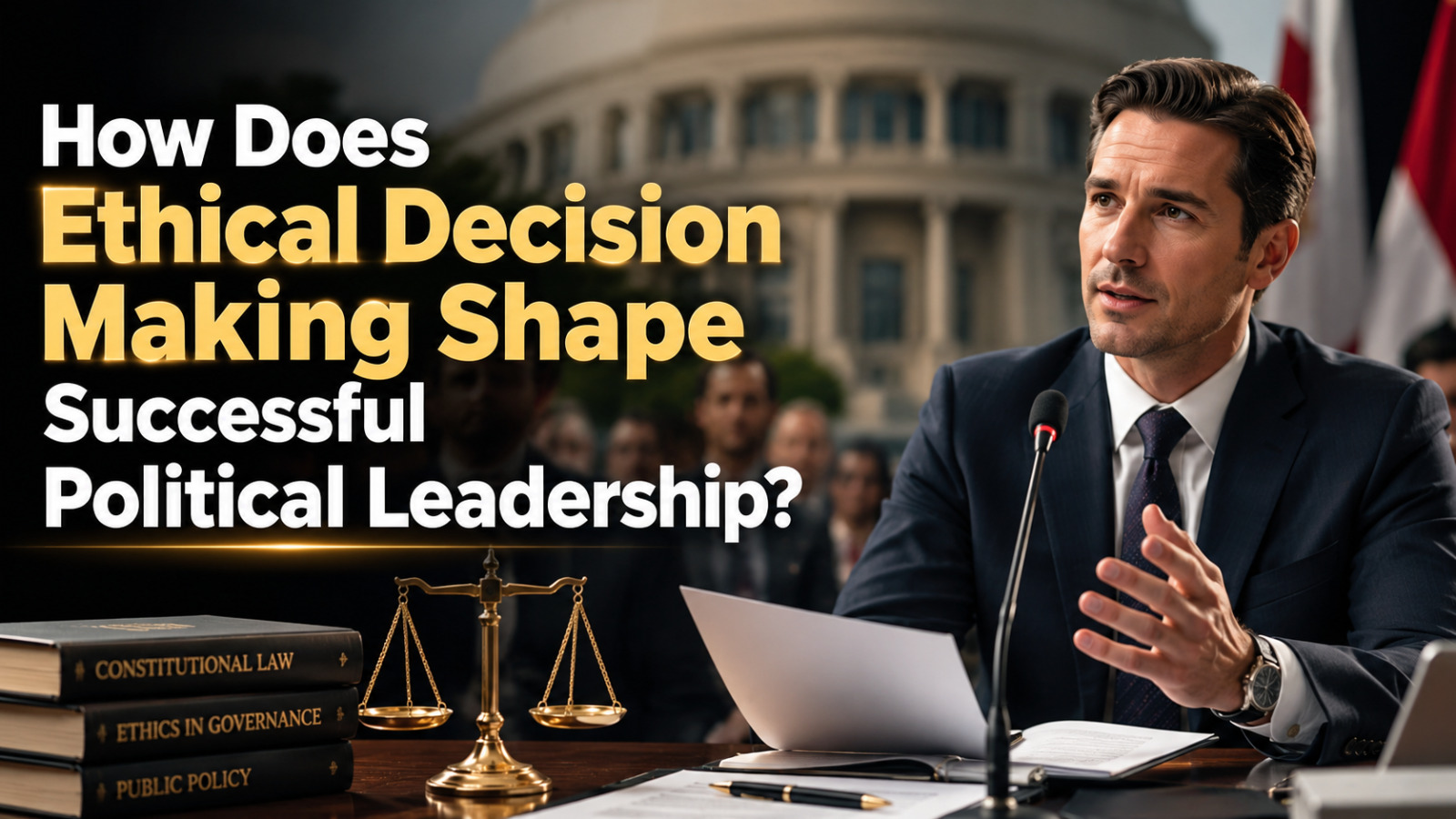
Ethical decision making is one of the most important qualities of successful political leadership. Every decision made by political leaders affects citizens, public institutions, and the future of a nation. When leaders consistently make ethical choices, they build credibility, encourage transparency, and strengthen democratic values. In contrast, unethical decisions often lead to corruption, declining public trust, and ineffective governance. Understanding the role of ethical decision making helps explain why it remains essential for responsible political leadership in today's world.
WHAT IS ETHICAL DECISION MAKING IN POLITICS?
Ethical decision making in politics refers to the process of choosing actions based on moral principles, fairness, honesty, accountability, and the public interest. Rather than focusing solely on political gain or personal benefit, ethical leaders carefully evaluate how their decisions affect society as a whole. They respect laws, uphold democratic values, and consider both short-term and long-term consequences before taking action. This approach promotes responsible governance and demonstrates a genuine commitment to serving the public. As political environments become increasingly complex, ethical decision making becomes even more valuable for maintaining stability and trust.
WHY ETHICS IS THE FOUNDATION OF EFFECTIVE LEADERSHIP
Ethics serves as the foundation of effective political leadership because it guides leaders toward responsible and principled actions. Leaders who prioritize integrity are more likely to earn the confidence of citizens, government institutions, and international partners. Ethical leadership encourages transparency, reduces conflicts of interest, and creates a culture of accountability throughout public organizations. It also strengthens cooperation between government agencies and the communities they serve. Ultimately, ethical values enable leaders to make decisions that benefit society rather than advancing personal or political interests.
HOW ETHICAL DECISIONS IMPROVE PUBLIC TRUST
Public trust is essential for any government to function effectively. Citizens are more willing to support policies and participate in democratic processes when they believe their leaders are honest and accountable. Ethical decision making demonstrates consistency between promises and actions, helping leaders establish credibility over time. Transparent communication, responsible use of public resources, and fair treatment of all citizens reinforce confidence in government institutions. As trust grows, governments gain stronger public support for reforms and long-term development initiatives.
THE IMPACT OF ETHICAL LEADERSHIP ON GOOD GOVERNANCE
Good governance depends heavily on leaders who make ethical decisions. Ethical political leaders promote transparency in public administration, ensure accountability for government actions, and encourage equal treatment under the law. They establish systems that reduce opportunities for corruption while improving the efficiency of public services. Ethical governance also strengthens democratic institutions by protecting human rights and promoting citizen participation. These practices contribute to political stability and sustainable national development.
CHALLENGES TO ETHICAL DECISION MAKING
Political leaders often face difficult situations where ethical decision making is tested. Pressure from political parties, special interest groups, economic challenges, and public expectations can influence policy choices. Leaders may also encounter conflicts between short-term political success and long-term public benefits. Maintaining ethical standards requires courage, independence, and a commitment to public service despite these pressures. Strong legal frameworks, independent oversight, and transparent institutions can help support ethical leadership during challenging circumstances.
STRATEGIES FOR STRENGTHENING ETHICAL POLITICAL LEADERSHIP
Developing ethical leadership requires continuous effort from both governments and society. Ethics education and leadership training can prepare future public officials to handle complex decisions responsibly. Clear codes of conduct establish expectations for professional behavior and accountability. Independent anti-corruption agencies, transparent financial reporting, and public oversight further strengthen ethical governance. Citizens also play an important role by demanding accountability, participating in elections, and supporting leaders who demonstrate integrity and fairness.
CONCLUSION
Ethical decision making shapes successful political leadership by promoting integrity, accountability, fairness, and transparency. Leaders who consistently make ethical choices strengthen democratic institutions, improve public trust, and create more effective governments. Although political challenges will always exist, strong ethical principles provide a reliable guide for responsible leadership. Governments that prioritize ethics are better equipped to address public needs, reduce corruption, and achieve sustainable development. Ultimately, ethical decision making is not only a personal responsibility for political leaders but also a vital requirement for building prosperous and resilient societies.
Tentang Penulis
Gusti Ayu Tita P
Penulis — Universitas STEKOM
Penulis aktif yang berfokus pada isu-isu akademik, teknologi pendidikan, dan pengembangan sumber daya manusia di lingkungan kampus.