
How Does Technology Influence the Daily Life of College Students?
Gusti Ayu Tita P
28 September 2026
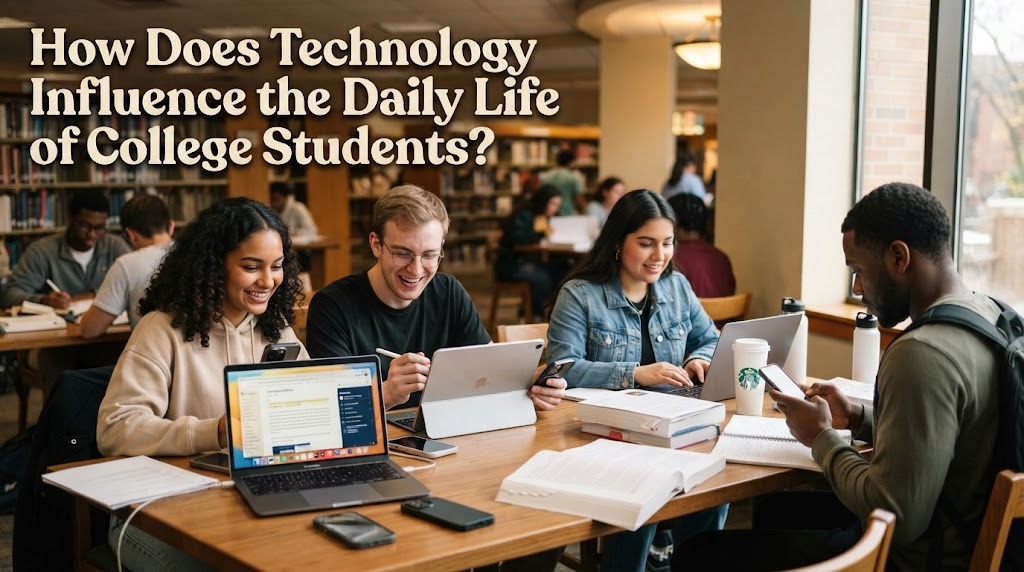
Technology has become an important part of everyday life for college students. Smartphones, laptops, digital platforms, and online applications are now commonly used for studying, communicating, organizing activities, and accessing information. Technology has changed how students manage many parts of their daily routines.
The influence of technology can be seen both inside and outside the classroom. Students can complete academic tasks more efficiently, communicate with others instantly, and access various digital resources. However, students also need to develop responsible technology habits so that digital activities do not become distractions.
TECHNOLOGY MAKES LEARNING MORE ACCESSIBLE
One of the biggest influences of technology is easier access to learning materials. Students can use online libraries, educational websites, digital books, learning platforms, and video lessons to find additional information. Digital resources allow students to study beyond the materials provided during classroom sessions.
Technology also supports different learning styles. Students can review recorded lectures, search for explanations, practice through educational applications, or discuss topics through online platforms. This flexibility allows students to choose learning methods that match their academic needs.
TECHNOLOGY CHANGES HOW STUDENTS COMMUNICATE
Communication between students, lecturers, and classmates has become faster through digital technology. Messaging applications, email, video conferences, and online discussion platforms allow students to exchange information without always meeting face to face. Digital communication makes academic coordination more convenient.
Students can also use technology to maintain social relationships. Group chats and social media allow them to stay connected with friends and communities. However, students should still communicate respectfully and avoid allowing digital conversations to replace meaningful personal interactions completely.
TECHNOLOGY HELPS STUDENTS MANAGE DAILY ACTIVITIES
Digital tools can help students organize their schedules and responsibilities. Calendar applications, reminders, note-taking tools, and task management platforms can be used to track assignments, examinations, meetings, and other activities. Good use of technology can make daily planning more organized.
Students can also use productivity applications to divide large tasks into smaller activities. Setting reminders for deadlines can reduce the risk of forgetting important academic responsibilities. Technology becomes more useful when students use it as a tool for organization rather than constant entertainment.
TECHNOLOGY SUPPORTS COLLABORATION
College students frequently work on group assignments, presentations, research projects, and organizational activities. Technology allows students to collaborate through shared documents, online meetings, cloud storage, and communication platforms. Students can work together even when they are not in the same location.
Digital collaboration also allows students to exchange files and ideas quickly. Group members can edit documents, provide feedback, and monitor project progress through online tools. These experiences can help students develop teamwork and digital collaboration skills that are useful beyond campus.
TECHNOLOGY PROVIDES MORE CAREER OPPORTUNITIES
Technology also influences how students prepare for their future careers. Students can search for internships, online courses, competitions, freelance opportunities, and professional networks through digital platforms. The internet provides access to career information that may not be available through traditional campus activities alone.
Students can also build digital portfolios and showcase their projects online. Skills such as digital communication, data analysis, design, programming, and content creation can be developed through online resources. Technology therefore gives students more opportunities to explore career interests before graduation.
SOCIAL MEDIA INFLUENCES STUDENT LIFESTYLE
Social media is another major part of modern student life. Students use social platforms to communicate, follow trends, discover information, share experiences, and participate in online communities. Social media can influence student interests, entertainment choices, communication habits, and even personal branding.
However, excessive social media use can become a distraction. Constant notifications and endless scrolling may reduce the time available for studying or resting. Students need to set reasonable limits and choose digital content carefully to maintain a healthy balance.
STUDENTS NEED RESPONSIBLE DIGITAL HABITS
Although technology provides many benefits, students need to understand its potential challenges. Excessive screen time, online distractions, misinformation, privacy problems, and poor digital communication can affect daily life. Digital literacy is therefore important for students who use technology regularly.
Students can develop responsible habits by checking information before sharing it, protecting personal accounts, controlling screen time, and using technology for productive purposes. Taking regular breaks from screens can also support healthier routines. The goal is not to avoid technology but to use it intentionally and responsibly.
CONCLUSION
Technology influences the daily life of college students through learning, communication, time management, collaboration, career preparation, social media, and personal activities. Digital tools make many tasks faster and provide students with access to more information and opportunities.
At the same time, technology requires responsible use. Students who can balance digital activities with academic responsibilities, social interaction, rest, and personal development can gain more benefits from technology. Developing good digital habits can also prepare students for an increasingly technology-driven academic and professional environment.
Tentang Penulis
Gusti Ayu Tita P
Penulis — Universitas STEKOM
Penulis aktif yang berfokus pada isu-isu akademik, teknologi pendidikan, dan pengembangan sumber daya manusia di lingkungan kampus.



