How Does the Education Office Prepare Young People for the Workplace?
Gusti Ayu Tita P
17 September 2026
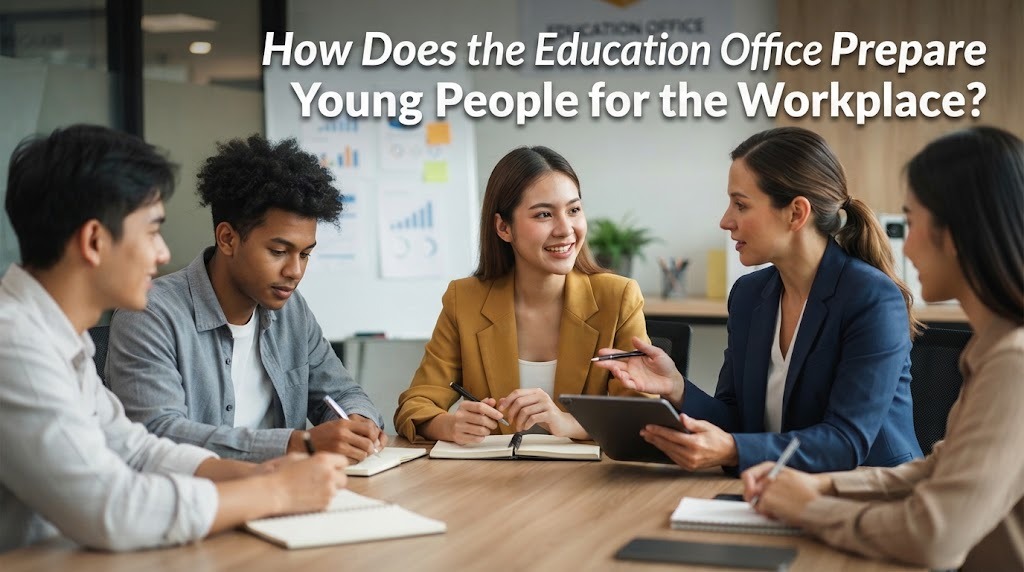
Preparing young people for the workplace is an important part of education development. Students need more than academic knowledge to face the demands of a changing work environment. The Education Office can support schools through career programs, skill development, practical experiences, and partnerships with various institutions. These efforts help students understand workplace expectations before entering professional life. Proper preparation can also improve confidence and readiness for future careers.
DEVELOPING CAREER AWARENESS
Career awareness helps young people understand different opportunities in the workplace. The Education Office can support schools in providing career guidance and information about various professions. Students can learn about educational pathways, required qualifications, and skills needed for different careers. Career activities can also help students identify their interests and strengths. Career Awareness allows students to make more informed decisions about their future.
Schools can organize seminars, career talks, and discussions with professionals. Students can ask questions and learn about real workplace experiences. Information about industry trends can also help students understand changing employment needs. Teachers and counselors can guide students when evaluating different career options. Early career awareness can help young people prepare realistic and achievable career plans.
IMPROVING PRACTICAL SKILLS
Workplaces require employees to apply knowledge in practical situations. The Education Office can encourage schools to provide activities that develop technical and practical skills. Students can learn through projects, workshops, simulations, and other forms of hands-on learning. These activities allow students to practice solving real problems. Practical Skills can make students more prepared to handle workplace responsibilities.
Skill development should be adjusted to the needs of different study programs and industries. Students can develop abilities related to technology, communication, administration, creativity, or other professional fields. Regular practice can improve both competence and confidence. Teachers can evaluate students' progress and provide useful feedback. Strong practical skills can support a smoother transition from school to work.
STRENGTHENING SOFT SKILLS
Technical abilities alone are not enough to succeed in the workplace. Young people also need communication, teamwork, discipline, adaptability, and problem-solving skills. The Education Office can encourage schools to integrate Soft Skills development into learning and extracurricular activities. Students can practice these abilities through group projects, presentations, organizations, and school events. Such activities help students understand the importance of professional behavior.
Soft skills are especially useful when students work with people who have different backgrounds and responsibilities. Students can learn to communicate ideas clearly and listen to others. They can also practice managing time and completing tasks responsibly. Teachers can provide feedback on students' behavior and teamwork. Strong soft skills can help young people build positive relationships and perform effectively in professional environments.
PROVIDING WORKPLACE EXPERIENCE
Real workplace experience can help students understand how professional environments operate. The Education Office can support internship programs, workplace visits, career events, and cooperation between schools and industry. These activities allow students to observe professional routines and responsibilities. Students can learn about workplace discipline, communication, and task management. Workplace Experience can connect classroom learning with real professional situations.
During practical experiences, students can identify their strengths and areas that need improvement. They can also learn how to adapt to different work environments and follow professional procedures. Feedback from supervisors can help students improve their performance. Schools can use workplace experiences to evaluate whether their learning programs meet current needs. Practical exposure can increase students' confidence and readiness for employment.
BUILDING PROFESSIONAL READINESS
Professional readiness involves preparing students mentally, academically, and socially for future employment. The Education Office can encourage schools to provide training related to resumes, interviews, workplace ethics, and career planning. Students can learn how to present their abilities and experiences professionally. They can also understand the importance of responsibility, punctuality, and continuous learning. Professional Readiness helps students enter the workplace with greater confidence.
Students should also learn how to adapt to technological and workplace changes. Digital tools are increasingly used in communication, administration, and professional tasks. Developing a willingness to learn can help young people remain competitive in changing industries. Schools, parents, and education authorities can work together to support this preparation. A combination of knowledge, skills, experience, and professional attitudes can create stronger workplace readiness.
CONCLUSION
The Education Office can prepare young people for the workplace through career awareness, practical skills, soft skills, workplace experience, and professional readiness. These efforts help students understand workplace expectations and develop abilities that are useful for future careers. Cooperation between schools, industries, families, and education authorities can make career preparation more effective. Continuous learning is also important because workplace demands continue to change. With proper preparation, young people can enter the workplace with greater confidence and stronger professional abilities.
Tentang Penulis
Gusti Ayu Tita P
Penulis — Universitas STEKOM
Penulis aktif yang berfokus pada isu-isu akademik, teknologi pendidikan, dan pengembangan sumber daya manusia di lingkungan kampus.