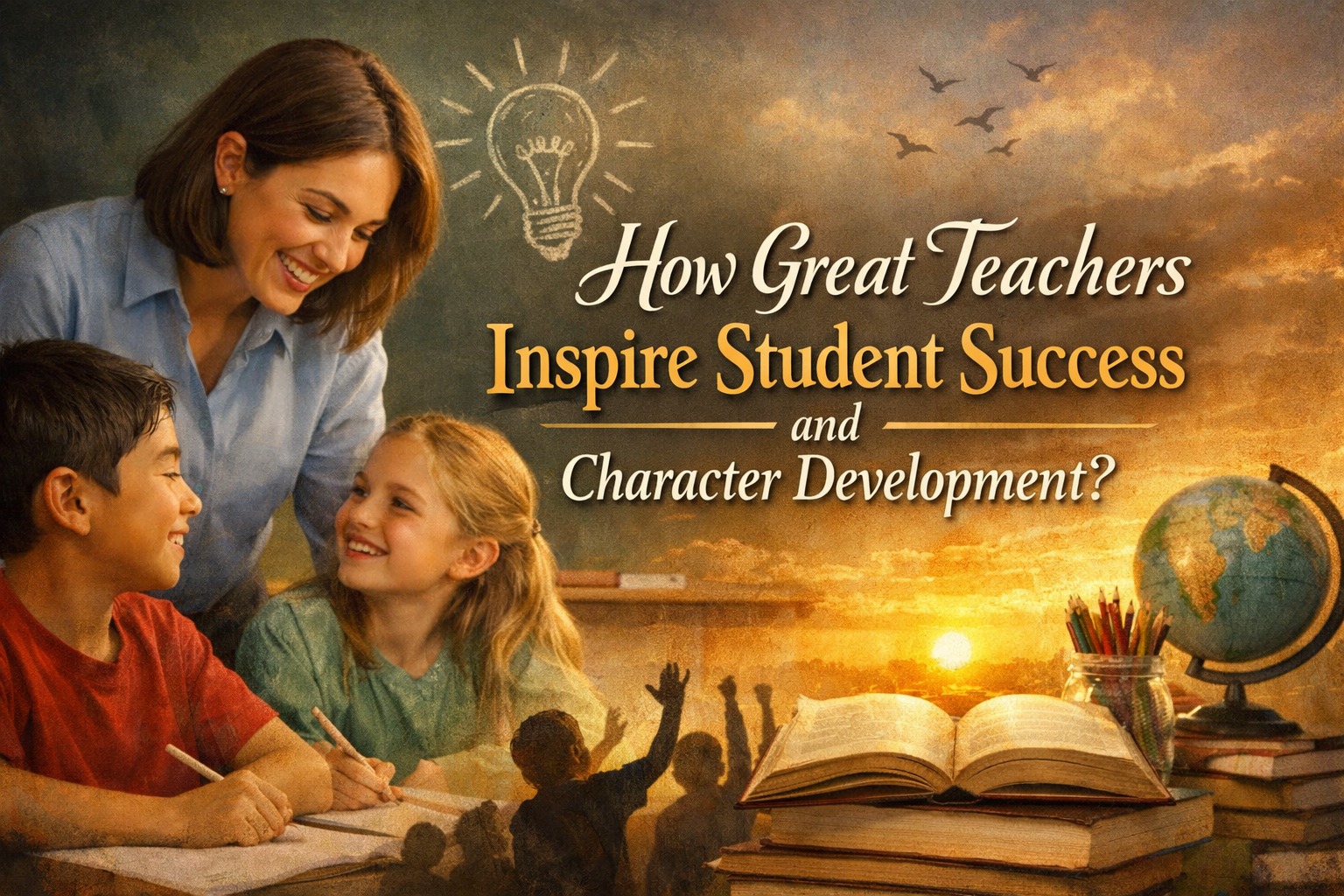
Teachers play a vital role in shaping not only students' academic achievements but also their personal growth. A great teacher does much more than explain lessons in the classroom. They encourage students to think critically, develop confidence, and become responsible individuals. Their guidance often leaves a lasting impact that extends well beyond school years.
In today's rapidly changing world, students need educators who can inspire curiosity, creativity, and strong moral values. Great teachers understand that education is not only about grades but also about preparing young people for life. By creating a supportive learning environment, teachers help students discover their strengths and overcome challenges. This combination of academic excellence and character development creates a strong foundation for lifelong success.
THE ROLE OF GREAT TEACHERS IN STUDENT SUCCESS
Great teachers inspire students by making learning enjoyable and meaningful. They explain difficult concepts in simple ways, encourage questions, and motivate learners to stay curious. Every student has unique abilities, and effective teachers recognize these differences by adapting their teaching methods. This personalized approach allows students to learn at their own pace while building confidence in their abilities. As a result, students become more engaged and perform better academically.
Beyond classroom instruction, great teachers act as mentors who encourage students to pursue their dreams. They celebrate achievements while helping learners learn from mistakes without fear of failure. Positive encouragement, consistent feedback, and genuine care create a safe environment where students feel motivated to improve. These experiences help students develop resilience, determination, and a lifelong passion for learning.
HOW TEACHERS BUILD STRONG CHARACTER?
Character development is one of the most valuable contributions a teacher can make. Great educators consistently demonstrate honesty, respect, discipline, and responsibility through their own actions. Students naturally observe these behaviors and begin to apply them in their daily lives. Teachers also encourage teamwork, empathy, and kindness during classroom activities and group projects. These lessons prepare students to become respectful members of society.
Teachers also guide students through difficult situations by teaching problem-solving and emotional control. They encourage open communication and help students understand the importance of making ethical decisions. Through consistent guidance, students learn accountability and develop confidence in handling challenges. These life skills remain valuable long after students complete their formal education.
EFFECTIVE TEACHING STRATEGIES THAT INSPIRE LEARNING
Successful teachers use a variety of teaching methods to keep students actively involved. Interactive discussions, hands-on activities, educational technology, and collaborative learning make lessons more engaging. Instead of memorizing information, students are encouraged to analyze, question, and apply what they learn in real-life situations. This approach improves both understanding and long-term retention.
Another important strategy is providing constructive feedback that helps students identify strengths and areas for improvement. Great teachers set realistic goals and encourage continuous progress rather than perfection. They recognize individual achievements and motivate students to keep growing. This balanced approach helps learners become independent, confident, and motivated individuals.
THE IMPORTANCE OF POSITIVE TEACHER STUDENT RELATIONSHIPS
A strong relationship between teachers and students creates a positive learning environment. When students feel respected, valued, and supported, they are more willing to participate in classroom activities. Trust allows students to ask questions without fear of embarrassment and encourages them to take academic risks that lead to growth. This supportive atmosphere increases both learning outcomes and emotional well-being.
Teachers who communicate openly with students also strengthen cooperation with parents and the wider school community. Working together helps identify student needs early and provides consistent support both inside and outside the classroom. Effective communication and mutual respect create stronger educational experiences that benefit every learner. These positive relationships contribute significantly to both academic achievement and character formation.
LONG TERM IMPACT OF GREAT TEACHERS
The influence of a great teacher often continues throughout a student's life. Many successful professionals credit inspiring teachers for helping them discover their talents and believe in their potential. Lessons about perseverance, integrity, and responsibility remain valuable in higher education, careers, and personal relationships. Great teachers shape future leaders by encouraging lifelong learning and continuous self-improvement.
As society continues to evolve, the need for dedicated and inspiring teachers becomes even more important. By combining quality education with strong moral guidance, teachers help create individuals who are knowledgeable, compassionate, and responsible. Their lasting influence benefits not only individual students but also families, communities, and future generations. Investing in excellent teachers is truly an investment in a better future.
CONCLUSION
Great teachers are powerful influences in both student success and character development. Through engaging instruction, positive relationships, and strong moral leadership, they prepare students to achieve academic excellence while becoming responsible and compassionate individuals. Their dedication extends far beyond the classroom, creating lifelong learners who contribute positively to society. Supporting and appreciating great teachers ultimately strengthens the future of education and the communities they serve.
Tentang Penulis
Gusti Ayu Tita P
Penulis — Universitas STEKOM
Penulis aktif yang berfokus pada isu-isu akademik, teknologi pendidikan, dan pengembangan sumber daya manusia di lingkungan kampus.