How Is Customs Using Digital Technology to Improve Public Services?
Gusti Ayu Tita P
8 Agustus 2026
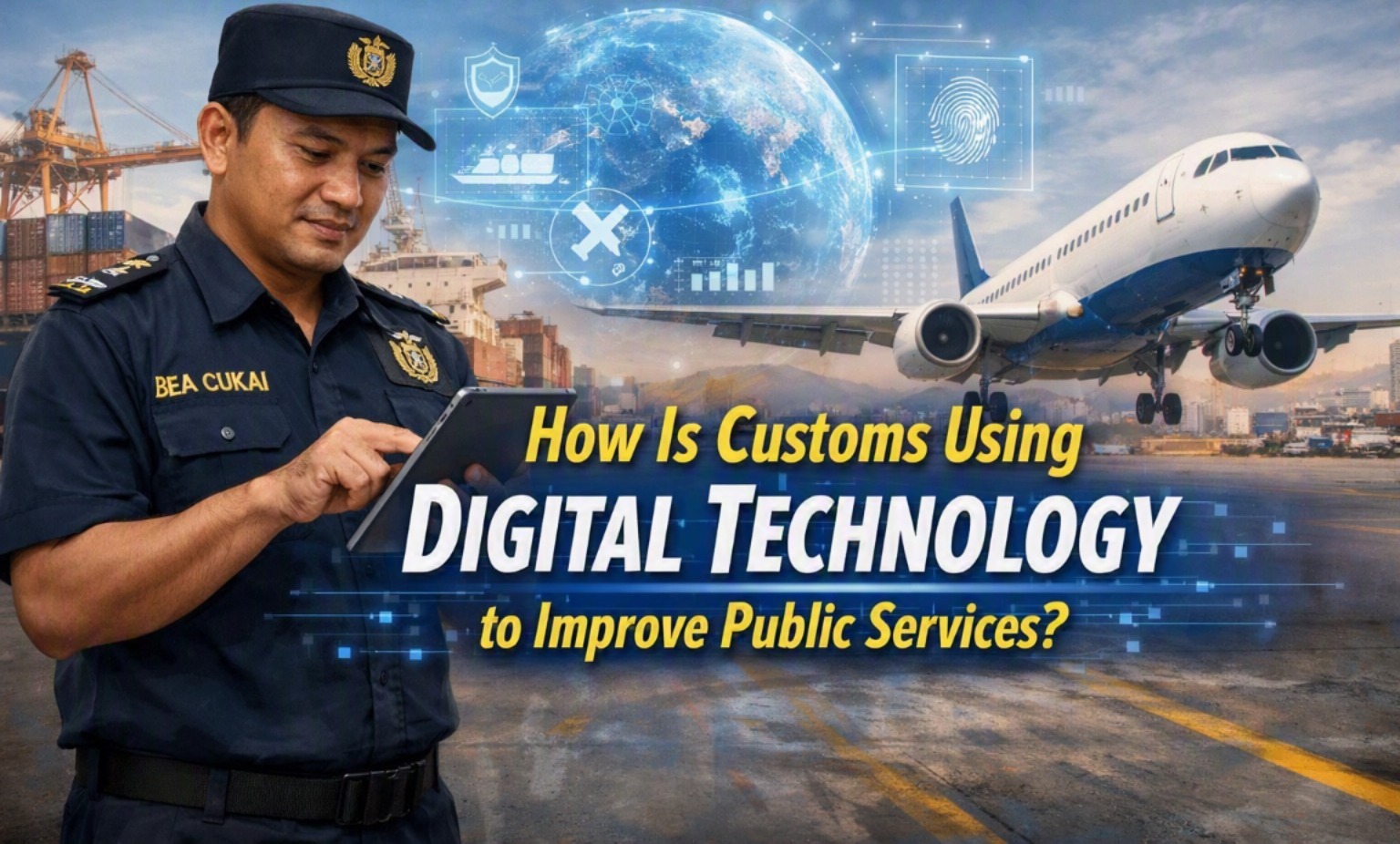
Customs plays an important role in international trade by controlling goods entering and leaving a country, collecting duties and taxes, and protecting society from illegal or restricted goods. As international trade becomes faster and more complex, traditional paper-based procedures can create delays and administrative difficulties. Digital technology helps Customs provide faster, more transparent, and more efficient public services.
In Indonesia, the Directorate General of Customs and Excise has developed CEISA 4.0, an integrated digital system designed to simplify and accelerate customs and excise services. The system supports electronic document processing, data exchange, and service monitoring. Globally, the World Customs Organization also promotes digital transformation through technologies such as artificial intelligence, data analytics, blockchain, and the Internet of Things.
DIGITAL CUSTOMS SERVICES MAKE PROCEDURES FASTER
One of the most important benefits of digital technology is the ability to process customs information electronically. Traders can submit documents and information through digital platforms without depending entirely on physical paperwork. This can reduce repetitive administrative work and help Customs officers process information more efficiently. Electronic processing also allows information to be stored and retrieved more easily when it is needed.
In Indonesia, CEISA 4.0 integrates various customs and excise services into a connected digital environment. The system is designed to make services more centralized, integrated, and automated while helping users monitor the status of their processes. This supports a more efficient customs environment for businesses and other service users.
DIGITAL DOCUMENTS REDUCE PAPERWORK
Customs administrations are increasingly moving from paper documents to electronic documents. Digital submissions can reduce the need to print, deliver, and physically store large numbers of forms. This makes administrative processes more practical for traders, logistics companies, and government officers. It can also reduce the possibility of mistakes caused by repeatedly entering the same information into different documents.
The World Customs Organization reports that paperless initiatives include electronic documentation, digital workflows, electronic signatures, and electronic recordkeeping. These approaches help Customs administrations create more modern and efficient procedures. Paperless customs can therefore improve both service speed and information management.
REAL TIME DATA IMPROVES SERVICE TRANSPARENCY
Digital systems allow Customs and authorized users to exchange information more quickly. When information is available electronically, users can have better visibility of document submissions and processing status. This can make customs procedures easier to understand and reduce uncertainty during international shipments. Real time information can also support faster communication between government agencies and businesses.
CEISA 4.0 is designed to support data exchange and provide users with greater visibility of customs processes. Its API services can connect external business systems with Customs systems, allowing information such as documents, manifests, tariffs, and other data to be exchanged electronically. This integration can reduce duplicate data entry and help lower the possibility of errors.
DATA ANALYTICS SUPPORTS BETTER RISK MANAGEMENT
Customs must balance two important responsibilities: facilitating legitimate trade and protecting national interests. Digital technology helps Customs analyze large amounts of information to identify transactions that may require closer attention. Data analytics can support risk-based decision making instead of requiring every shipment to receive the same level of inspection. This allows resources to be focused where they are most needed.
The World Customs Organization and World Trade Organization have highlighted data analytics and artificial intelligence as technologies that can improve risk management, data quality, transparency, and the efficiency of customs procedures. Better use of information can help Customs identify potential risks while allowing compliant trade to move more smoothly.
ARTIFICIAL INTELLIGENCE CAN SUPPORT CUSTOMS OPERATIONS
Artificial intelligence is becoming an important area of technological development in Customs. AI can help analyze patterns in large datasets and support officers in identifying unusual information or potential risks. It can also be used in digital assistance systems that provide information to users. However, AI should support professional decision making rather than automatically replacing the responsibility of Customs officers.
The WCO Smart Customs Project specifically examines technologies including artificial intelligence, machine learning, blockchain, the Internet of Things, biometrics, drones, and robotics. These technologies can contribute to smarter border management when they are implemented with appropriate governance, security, and human oversight.
DIGITAL PLATFORMS IMPROVE PUBLIC ACCESS
Digital Customs services also make it easier for users to obtain information and interact with government services. Online platforms can provide access to customs applications, references, regulations, and service information without requiring users to visit an office for every administrative need. This is particularly useful for businesses that handle international shipments regularly. Online public services can make government interactions more convenient and accessible.
Indonesia's Customs and Excise website provides access to several digital services, including CEISA 4.0, Electronic Customs Declaration, customs references, tariff information, and other services. This digital service environment gives users more ways to obtain information and complete customs-related processes electronically.
DIGITAL COMPLAINT SERVICES STRENGTHEN PUBLIC SUPPORT
Good public service is not only about processing customs documents quickly. Users also need reliable support when they experience technical problems or have questions about digital systems. For this reason, digital customer support has become an important part of customs modernization. Digital complaint services can help users report problems and follow up on issues without relying entirely on face-to-face communication.
For example, CEISA Care provides technical support for users experiencing difficulties with CEISA 4.0. The platform allows users to report system problems and receive assistance, while its Tasya AI virtual assistant can provide automated basic information around the clock. This approach demonstrates how technology can improve the responsiveness of public services.
TECHNOLOGY MAKES CUSTOMS MORE INTEGRATED
International trade involves many parties, including Customs authorities, ports, shipping companies, logistics providers, importers, exporters, and other government agencies. If these parties use disconnected systems, information may need to be entered repeatedly, creating delays and increasing the possibility of errors. System integration helps different platforms exchange relevant information more efficiently.
CEISA 4.0 provides API capabilities that allow external systems to connect with Customs systems. According to the Directorate General of Customs and Excise, this can reduce redundant document creation, minimize potential errors, and support real-time data exchange. Internationally, the WCO also recognizes digital integration and information sharing as important elements of modern customs administration.
CONCLUSION
The use of digital technology is changing the way Customs delivers services to the public and businesses. Faster processing, electronic documents, real-time data, risk analysis, integrated systems, and digital support can make customs procedures more efficient and transparent. These improvements can benefit legitimate traders while helping Customs maintain effective control over international goods.
However, successful digital transformation requires more than simply introducing new software. Customs administrations also need reliable infrastructure, cybersecurity, accurate data, trained personnel, clear regulations, and effective support systems. When technology and human expertise work together, Digital Customs can provide public services that are faster, more accessible, transparent, and responsive to the needs of modern international trade.
Tentang Penulis
Gusti Ayu Tita P
Penulis — Universitas STEKOM
Penulis aktif yang berfokus pada isu-isu akademik, teknologi pendidikan, dan pengembangan sumber daya manusia di lingkungan kampus.