How Is Technology Changing The Future Of Air Transportation?
Gusti Ayu Tita P
11 Agustus 2026
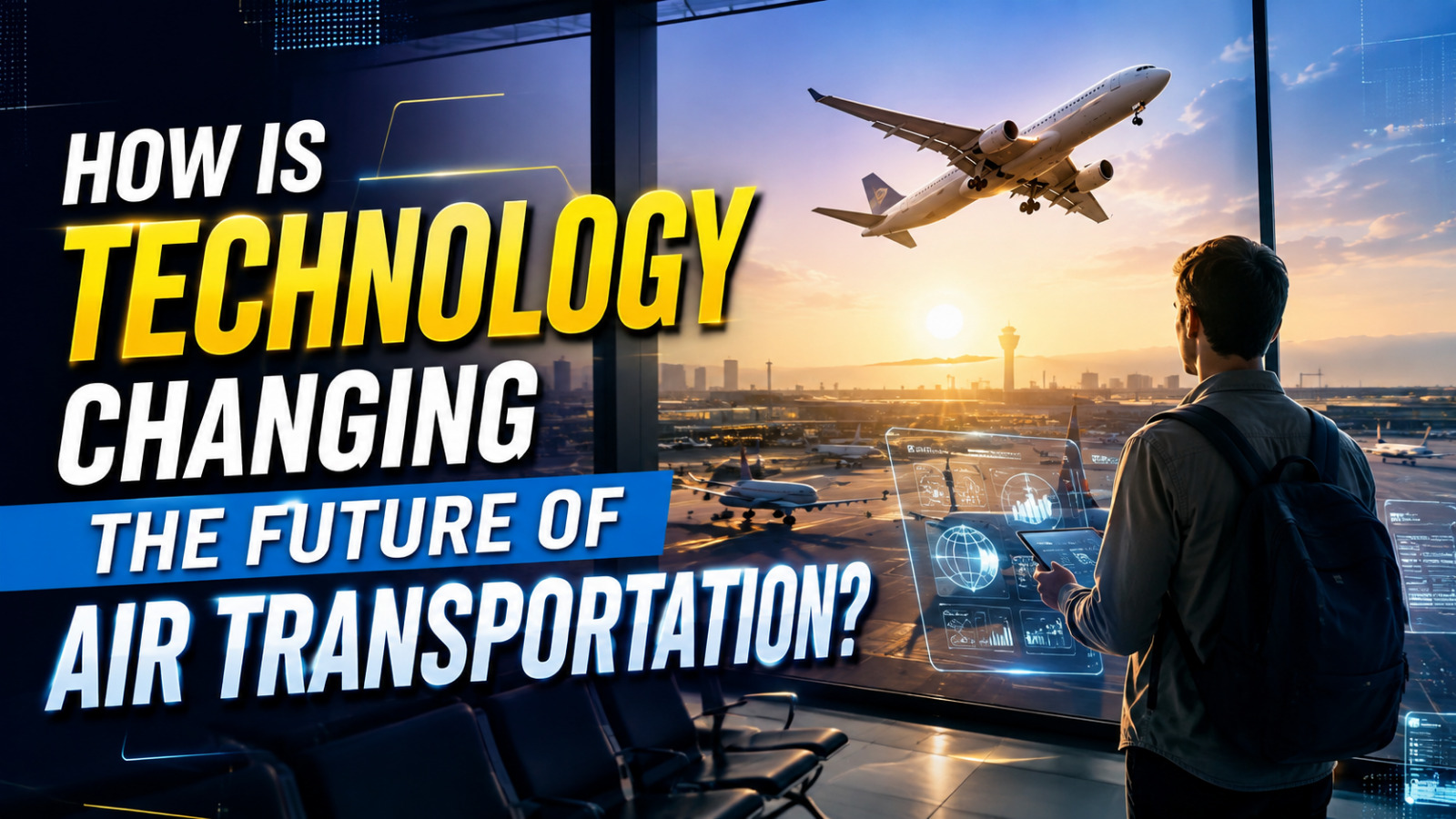
Technology is transforming the Air Transportation industry in many ways. Airports, airlines, aircraft manufacturers, and aviation service providers are using new digital systems and modern equipment to improve efficiency, safety, and passenger convenience. Travelers can now check in online, receive real-time flight updates, and use automated airport services. Airlines are also developing more fuel-efficient aircraft and exploring environmentally friendly technologies. These innovations are helping shape the future of aviation around the world.
DIGITAL TECHNOLOGY IN AIRPORTS
Modern Airport Technology has significantly improved passenger services and airport operations. Many airports now offer online check-in, self-service kiosks, automated baggage systems, electronic boarding passes, and digital flight information displays. These systems help reduce waiting times and improve operational efficiency.
Airports also use advanced monitoring systems to manage passenger flow, security, and terminal operations. Real-time data allows airport staff to respond more quickly to changing conditions. Digital communication between airlines, airports, and passengers has become faster and more reliable. Technology is making airports more efficient and convenient for travelers.
SMARTER AIRCRAFT AND FLIGHT SYSTEMS
Aircraft are becoming more advanced through improvements in Flight Technology. Modern airplanes use sophisticated navigation systems, digital flight management systems, weather monitoring tools, and advanced communication equipment. These technologies help pilots operate aircraft more efficiently and safely.
Manufacturers are also designing aircraft with lighter materials and more efficient engines. Improved fuel efficiency can reduce operating costs and environmental impact. Advanced monitoring systems can help detect technical issues before they become serious problems. Smarter aircraft contribute to safer and more efficient aviation operations.
ARTIFICIAL INTELLIGENCE AND AUTOMATION
Artificial Intelligence is becoming increasingly important in aviation. AI can help airlines analyze passenger demand, optimize flight schedules, improve maintenance planning, and support operational decision making. Airports may also use AI for security monitoring, passenger flow analysis, and customer service assistance.
Automation is improving many routine airport and airline processes. Automated check-in, baggage handling, and information systems can reduce manual work and improve consistency. However, human professionals remain essential for safety, decision making, customer service, and emergency management. Technology supports aviation professionals rather than completely replacing them.
SUSTAINABLE AVIATION TECHNOLOGY
Environmental concerns are encouraging the aviation industry to develop Sustainable Aviation solutions. Airlines and manufacturers are working on more fuel-efficient aircraft, alternative aviation fuels, electric aircraft research, and other technologies that may reduce emissions. Improving operational efficiency can also help reduce unnecessary fuel consumption.
Airports are adopting energy-efficient lighting, renewable energy systems, and environmentally friendly operational practices. Waste management and resource efficiency are also becoming more important. Sustainable technology is expected to play a major role in the future development of air transportation. Innovation and environmental responsibility are becoming increasingly connected.
IMPACT ON AVIATION CAREERS
New technology is changing the skills required for an Aviation Career. Employees increasingly need digital literacy, data analysis skills, technical knowledge, and the ability to work with automated systems. Aviation professionals must continue learning as technology evolves.
Training programs are adapting to include modern aircraft systems, digital airport operations, cybersecurity awareness, and new operational technologies. While some routine tasks may become automated, demand for skilled professionals remains important. Human judgment, communication, leadership, and safety management continue to be valuable. Technology creates new opportunities as well as new skill requirements.
THE FUTURE OF AIR TRANSPORTATION
The future of Air Transportation will likely become more connected, efficient, and technologically advanced. Passengers may experience faster airport procedures, smarter aircraft systems, improved flight planning, and more personalized travel services. Digital integration between airlines, airports, and travelers is expected to continue expanding.
Future aviation will still depend on strong safety standards, professional training, and international cooperation. Technology can improve operations, but human expertise will remain essential in many aviation roles. The combination of innovation and professional responsibility will shape the next generation of air transportation. The future of aviation will be driven by both advanced technology and skilled aviation professionals.
CONCLUSION
Technology is transforming Air Transportation through digital airports, smarter aircraft, artificial intelligence, automation, and sustainable aviation innovations. These developments improve efficiency, passenger convenience, safety, and environmental performance. Airports and airlines are becoming increasingly connected through advanced digital systems and real-time information. At the same time, aviation professionals must continue developing new technical and digital skills. The future of Air Transportation will depend on the successful combination of technology, sustainability, and human expertise.
Tentang Penulis
Gusti Ayu Tita P
Penulis — Universitas STEKOM
Penulis aktif yang berfokus pada isu-isu akademik, teknologi pendidikan, dan pengembangan sumber daya manusia di lingkungan kampus.