How Mayors Can Overcome Challenges In City Development?
Gusti Ayu Tita P
12 Agustus 2026
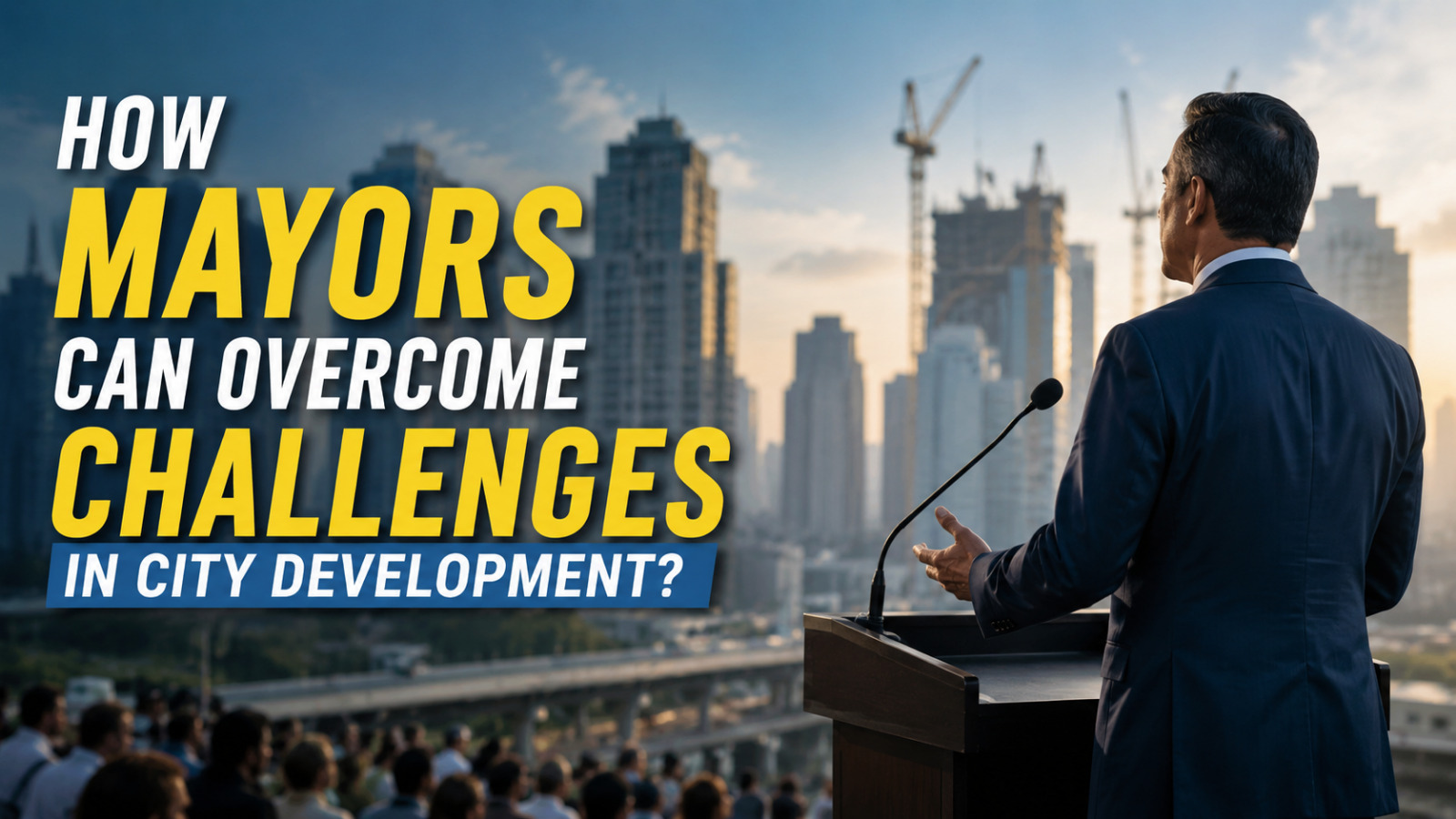
Developing a city is a complex responsibility because every city has different social, economic, environmental, and infrastructure conditions. A mayor must make decisions that address current problems while preparing the city for future challenges. City Development therefore requires careful planning, strong coordination, and consistent evaluation.
Challenges may include traffic congestion, limited infrastructure, environmental problems, unemployment, population growth, unequal access to services, and limited public resources. Mayors cannot solve these problems alone. They need cooperation from government institutions, communities, businesses, experts, and other stakeholders to create practical and sustainable solutions.
IDENTIFY DEVELOPMENT PRIORITIES
The first step in overcoming development challenges is identifying the most important problems. A mayor should use reliable data, community feedback, and government reports to understand the actual conditions of the city. Development Priorities should be determined based on urgency, public impact, available resources, and long-term consequences.
Not every problem can be solved at the same time. A clear priority system allows local governments to focus resources on issues that can provide significant benefits to residents. Regular evaluation is also necessary because city conditions can change. Flexible planning allows the government to adjust priorities when new challenges emerge.
IMPROVE INFRASTRUCTURE PLANNING
Infrastructure is a major part of successful city development. Roads, drainage systems, public transportation, water facilities, public spaces, and other infrastructure directly affect people's daily lives. A mayor should ensure that Infrastructure Planning is based on population needs, environmental conditions, and future growth.
Infrastructure projects should not only focus on construction. Local governments also need to consider maintenance, operational costs, accessibility, and long-term sustainability. Poorly planned projects can create additional problems even when they appear successful initially. Careful planning can help public investment provide lasting benefits.
MANAGE LIMITED PUBLIC RESOURCES
Local governments often have limited budgets compared with the number of development needs they must address. A mayor therefore needs strong Resource Management skills to ensure that public funds and government assets are used responsibly. Spending should be connected to clear priorities and measurable public benefits.
Transparency is important when managing public resources. Residents should have access to appropriate information about government programs and their results. Efficient budgeting can also involve cooperation with other institutions and responsible private-sector partnerships where legally and appropriately structured. Good resource management helps prevent waste and improves public confidence.
STRENGTHEN PUBLIC PARTICIPATION
Residents are directly affected by city development decisions, so their involvement can provide valuable information. A mayor can organize public consultations, community discussions, surveys, and other appropriate participation mechanisms. Public Participation allows residents to express concerns and contribute ideas before major decisions are implemented.
Community participation can also reduce conflict. When people understand the reasons behind a development program, they may be more willing to support it or provide constructive feedback. However, participation should be meaningful rather than merely symbolic. Government officials should explain how public input is considered in the decision-making process.
USE TECHNOLOGY AND INNOVATION
Technology can help mayors respond to many urban challenges more efficiently. Digital systems can support public services, traffic management, administrative processes, environmental monitoring, and communication with residents. Urban Innovation should focus on solving real problems rather than adopting technology simply because it is modern.
Before implementing digital solutions, local governments should consider cost, accessibility, data security, and the ability of residents to use the system. Technology should remain inclusive so that people with limited digital access are not excluded. When applied appropriately, innovation can improve government efficiency and make city services more responsive.
BUILD STRONG COLLABORATION
Many city problems cross administrative and institutional boundaries. Transportation, environmental protection, economic development, housing, and public health may require cooperation between multiple agencies. A mayor should therefore promote Government Collaboration and establish clear responsibilities among participating institutions.
Collaboration should also involve universities, businesses, community organizations, and professional experts when their knowledge can contribute to better solutions. Strong partnerships can provide additional expertise, technology, funding opportunities, and practical ideas. Clear communication and accountability are necessary to ensure that collaboration remains focused on public interests.
PREPARE FOR LONG TERM CHALLENGES
A successful mayor should not only respond to today's problems but also prepare for future changes. Population growth, climate risks, technological developments, economic changes, and evolving community needs can significantly affect cities. Long Term Planning helps local governments prepare for these possibilities instead of reacting only after problems become serious.
Future planning should remain flexible because conditions can change unexpectedly. Local governments should regularly review development plans and update them when new information becomes available. This combination of long-term vision and flexible implementation can make cities more resilient.
CONCLUSION
Mayors can overcome city development challenges by combining strategic planning, responsible resource management, public participation, innovation, and strong collaboration. The most effective solutions are based on reliable information and a clear understanding of community needs.
City development is a continuous process rather than a single project. By setting appropriate priorities, improving infrastructure, using technology responsibly, and preparing for future challenges, mayors can create cities that are more resilient, inclusive, efficient, and sustainable.
Tentang Penulis
Gusti Ayu Tita P
Penulis — Universitas STEKOM
Penulis aktif yang berfokus pada isu-isu akademik, teknologi pendidikan, dan pengembangan sumber daya manusia di lingkungan kampus.