How Schools Celebrate Indonesia's Independence Day with Creative Activities?
Gusti Ayu Tita P
5 Agustus 2026
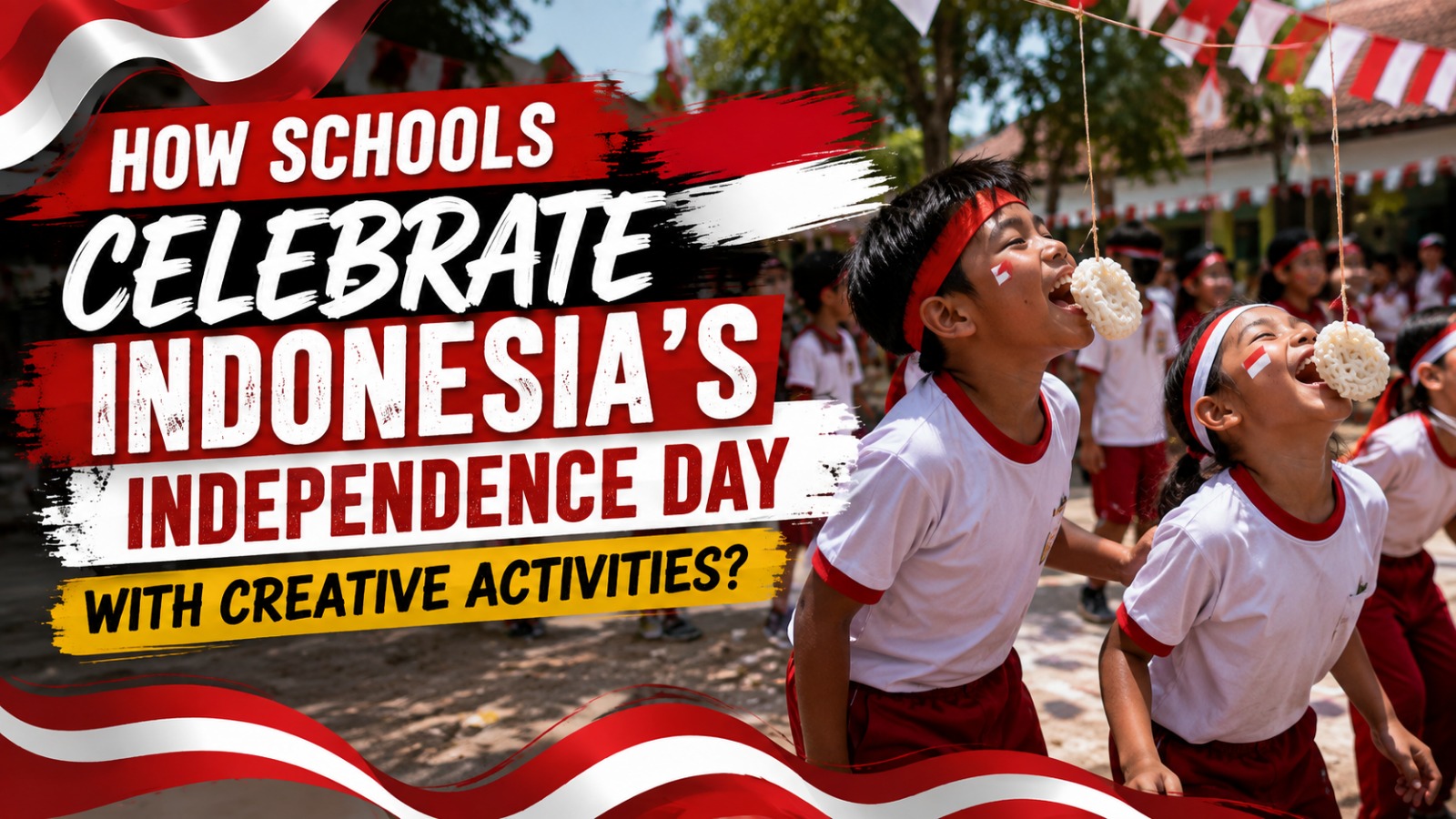
Every year on August 17th, schools across Indonesia celebrate Indonesia's Independence Day with a variety of creative and educational activities. These celebrations honor the nation's struggle for freedom while helping students understand the importance of patriotism, unity, and national identity. Rather than focusing only on formal ceremonies, schools create enjoyable programs that combine learning, creativity, and teamwork. Students actively participate in competitions, performances, classroom projects, and cultural events that make history come alive. As a result, Independence Day celebrations become memorable experiences that strengthen students' love for their country.
THE IMPORTANCE OF CELEBRATING INDEPENDENCE DAY IN SCHOOLS
Independence Day celebrations in schools provide valuable opportunities for students to learn about Indonesia's history in an engaging way. Instead of simply studying historical facts from textbooks, students experience the meaning of independence through practical activities and collaborative events. This learning approach helps them better understand the sacrifices made by the nation's heroes.
Celebrating Independence Day also encourages students to develop respect for national symbols, traditions, and cultural diversity. Through participation in school activities, they become more aware of their responsibilities as future citizens. These experiences strengthen their appreciation for the freedom and peace they enjoy today.
CREATIVE CLASSROOM DECORATION ACTIVITIES
One of the most popular school activities is decorating classrooms with red-and-white themes. Students work together to create posters, paper crafts, historical displays, inspirational quotes, and handmade Indonesian flags. These decorations make classrooms more attractive while encouraging creativity and teamwork.
The decoration process also teaches students to collaborate, share ideas, and solve problems together. Every student has an opportunity to contribute according to their talents, whether through drawing, crafting, painting, or organizing materials. This activity creates a festive atmosphere while building cooperation among classmates.
ORGANIZING FUN AND EDUCATIONAL COMPETITIONS
Schools celebrate Independence Day by organizing exciting competitions that combine entertainment with education. Traditional games such as sack races, cracker-eating contests, tug of war, relay races, and marble-and-spoon races remain popular because they encourage teamwork and sportsmanship. Students enjoy these activities while learning important life values.
In addition to physical games, schools often hold educational competitions such as history quizzes, essay writing, speech contests, storytelling, and poster design competitions. These activities improve students' knowledge, creativity, and communication skills while reinforcing the significance of Indonesia's independence.
CULTURAL PERFORMANCES THAT PROMOTE NATIONAL PRIDE
Many schools organize traditional dance performances, patriotic songs, drama presentations, poetry readings, and musical shows as part of the celebration. These performances allow students to express their talents while appreciating Indonesia's rich cultural heritage. Performing in front of teachers, parents, and classmates also helps students develop self-confidence.
Cultural activities introduce students to the traditions of different regions across Indonesia. They learn that diversity is an important part of the nation's identity and should be respected by everyone. This understanding strengthens unity and mutual appreciation within the school community.
THE ROLE OF TEACHERS AND STUDENTS IN THE CELEBRATION
Teachers play an essential role in planning and supervising Independence Day activities. They explain the historical significance of Indonesia's independence, organize competitions, guide rehearsals, and ensure every event runs smoothly. Their support helps students gain meaningful learning experiences throughout the celebration.
Students also contribute actively by becoming committee members, performers, participants, decorators, and event organizers. Working together teaches them responsibility, leadership, communication, and cooperation. These valuable experiences prepare students to become active and responsible members of society.
THE POSITIVE IMPACT OF CREATIVE SCHOOL CELEBRATIONS
Creative Independence Day celebrations provide benefits that extend beyond one-day festivities. Students become more confident, cooperative, and appreciative of Indonesia's history and cultural diversity. They also develop important character values such as discipline, responsibility, teamwork, and respect.
These celebrations inspire students to continue practicing the values of unity and patriotism in their daily lives. By participating in meaningful school activities, they strengthen their emotional connection with the nation and become more motivated to contribute positively to Indonesia's future.
CONCLUSION
Creative Independence Day celebrations help schools transform history into enjoyable learning experiences. Through classroom decorations, traditional competitions, cultural performances, educational contests, and collaborative activities, students develop national pride, creativity, leadership, and teamwork. Teachers and students work together to create memorable events that honor Indonesia's independence while strengthening character education. By celebrating Independence Day creatively every year, schools inspire future generations to appreciate their nation's history and actively contribute to a stronger Indonesia.
Tentang Penulis
Gusti Ayu Tita P
Penulis — Universitas STEKOM
Penulis aktif yang berfokus pada isu-isu akademik, teknologi pendidikan, dan pengembangan sumber daya manusia di lingkungan kampus.