How Science and Technology Are Shaping the Future of Humanity?
Gusti Ayu Tita P
19 September 2026
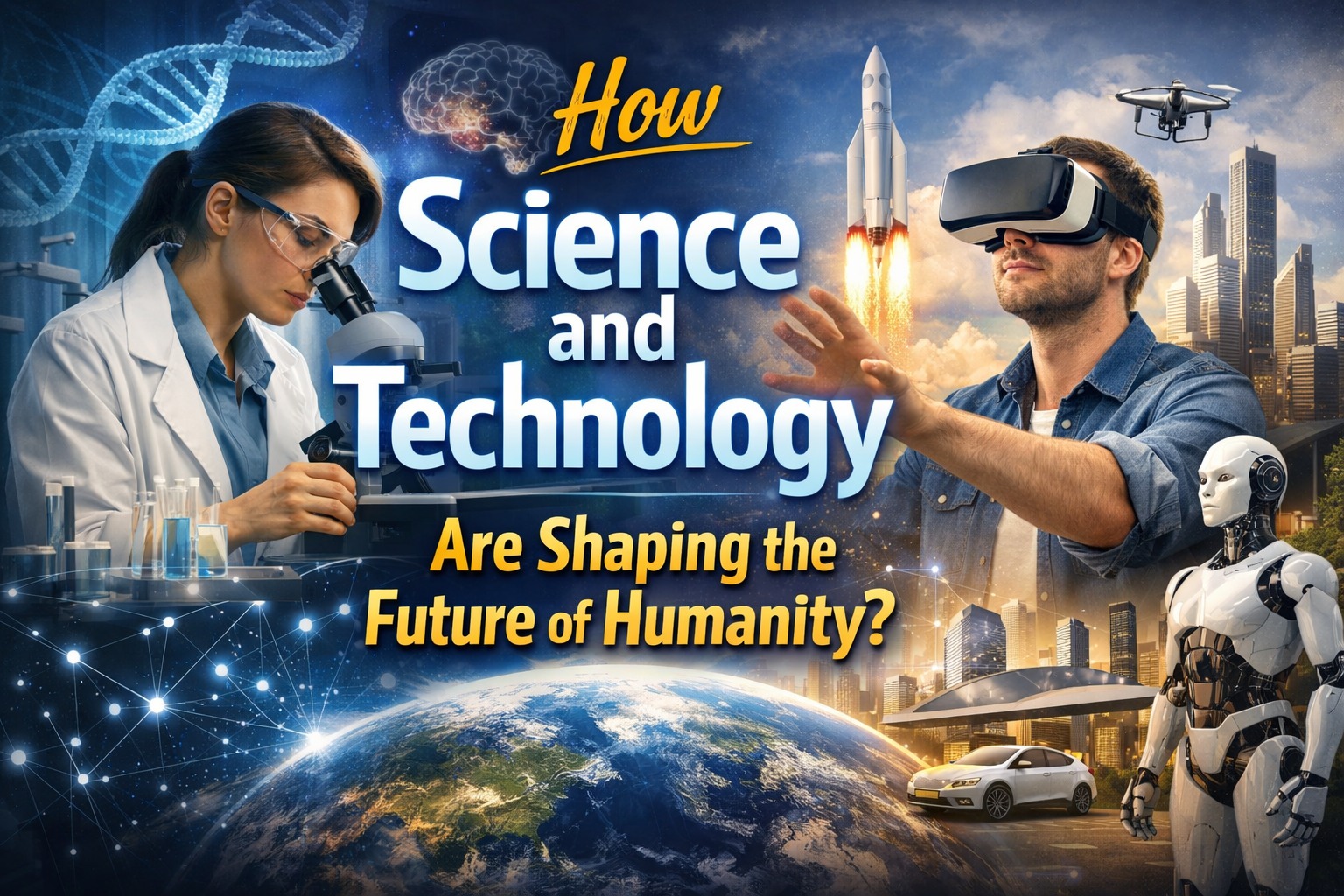
Science and technology have become the driving forces behind modern civilization. From healthcare and education to communication and transportation, technological advancements continue to transform the way people live, work, and interact. As innovation accelerates, humanity is entering a new era where scientific discoveries and digital solutions are shaping a more connected, efficient, and sustainable future.
THE GROWING IMPACT OF SCIENCE AND TECHNOLOGY ON DAILY LIFE
The influence of science and technology can be seen in nearly every aspect of modern life. Smartphones, artificial intelligence, cloud computing, and smart devices have made communication faster and information more accessible than ever before. People can now work remotely, learn online, and connect with others across the globe within seconds.
In addition, technological innovation has improved convenience and productivity. Smart homes, digital banking, and automated services simplify everyday activities while reducing time and effort. These advancements continue to create opportunities for individuals and businesses to achieve greater efficiency and flexibility.
REVOLUTIONIZING HEALTHCARE AND HUMAN WELL BEING
One of the most significant contributions of science and technology is the transformation of healthcare. Medical technology has enabled faster disease detection, more accurate diagnoses, and advanced treatment methods. Modern imaging systems, robotic surgery, and personalized medicine are helping patients receive better care and improved outcomes.
Scientific research also plays a crucial role in combating global health challenges. The development of vaccines, innovative therapies, and biotechnology solutions has saved millions of lives worldwide. As healthcare technology continues to evolve, people can expect longer life expectancy and improved quality of life.
ARTIFICIAL INTELLIGENCE AND THE FUTURE OF WORK
Artificial intelligence is changing how industries operate and how people perform their jobs. AI-powered systems can analyze vast amounts of data, automate repetitive tasks, and assist in decision-making processes. This allows businesses to improve efficiency, reduce costs, and enhance customer experiences.
At the same time, AI is creating new career opportunities in fields such as data science, cybersecurity, and machine learning. While some traditional jobs may be automated, new professions are emerging that require advanced technical and creative skills. Continuous learning and adaptation will become essential for future workforce success.
ADVANCING EDUCATION THROUGH DIGITAL INNOVATION
Technology has transformed education by making learning more accessible and interactive. Online platforms, virtual classrooms, and educational applications allow students to study from virtually anywhere. This has expanded educational opportunities for people regardless of geographic location.
Furthermore, digital tools help educators deliver personalized learning experiences. Students can access multimedia resources, participate in virtual simulations, and receive real-time feedback. These innovations support better engagement and encourage lifelong learning in an increasingly digital world.
BUILDING A MORE SUSTAINABLE FUTURE
Science and technology are also essential in addressing environmental challenges. Renewable energy solutions such as solar, wind, and advanced battery technologies help reduce dependence on fossil fuels. These innovations contribute to lowering carbon emissions and promoting sustainable development.
In addition, scientific research supports environmental conservation efforts through smart agriculture, water management systems, and climate monitoring technologies. By combining innovation with responsible practices, humanity can work toward a healthier planet for future generations.
ETHICAL CHALLENGES AND RESPONSIBLE INNOVATION
Despite its many benefits, technological progress also presents important ethical considerations. Issues such as data privacy, cybersecurity, misinformation, and AI governance require careful attention. Governments, organizations, and technology developers must work together to establish responsible frameworks for innovation.
Ensuring that technological advancements benefit society fairly is equally important. Access to technology should be inclusive, and scientific progress should prioritize human well-being. Responsible innovation will help maximize benefits while minimizing potential risks for future generations.
CONCLUSION
Science and technology are shaping the future of humanity in powerful and transformative ways. From healthcare breakthroughs and digital education to artificial intelligence and sustainable development, innovation continues to improve lives across the world. While challenges remain, responsible scientific advancement offers tremendous opportunities for creating a smarter, healthier, and more sustainable future. By embracing innovation wisely, humanity can unlock new possibilities and build a better world for generations to come.
Tentang Penulis
Gusti Ayu Tita P
Penulis — Universitas STEKOM
Penulis aktif yang berfokus pada isu-isu akademik, teknologi pendidikan, dan pengembangan sumber daya manusia di lingkungan kampus.