How Social Media Increases Pressure in Everyday Life?
Gusti Ayu Tita P
8 September 2026
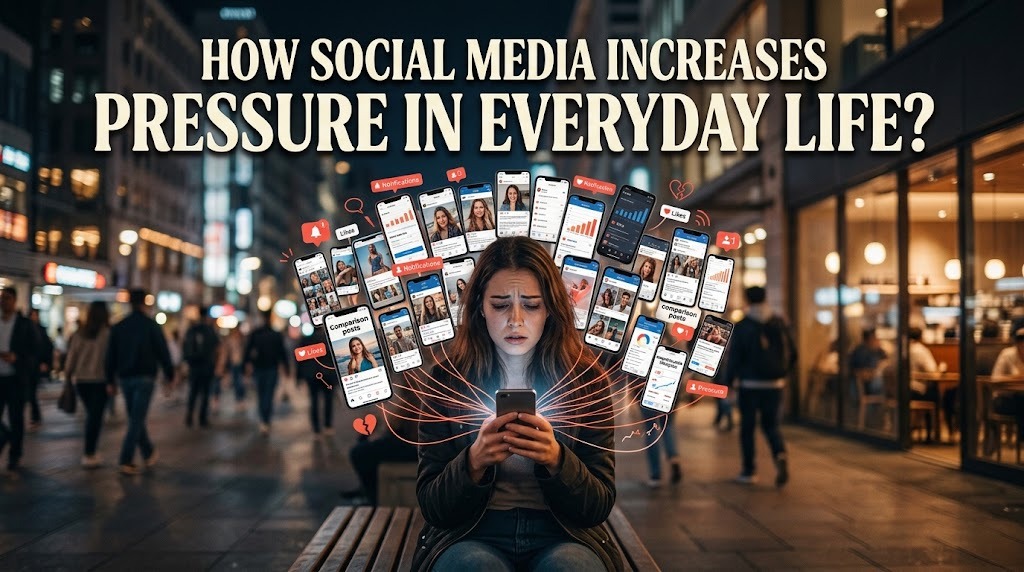
Social media has become an important part of everyday communication. People use platforms to share experiences, follow trends, communicate with friends, learn information, and build professional networks. Although social media offers many benefits, constant exposure to other people's lives can also create pressure. The desire to keep up, gain approval, and appear successful can influence how people think and behave.
Social media pressure does not affect everyone in the same way. Some people can use online platforms without experiencing significant problems, while others may become more sensitive to comparison and social judgment. The impact often depends on how frequently someone uses social media and how they interpret the content they see. Understanding these influences can help people develop healthier digital habits.
SOCIAL COMPARISON BECOMES EASIER
Social media makes it simple to compare personal experiences with those of other people. Users can see posts about careers, education, relationships, appearance, travel, purchases, and achievements within seconds. Frequent comparison can create the impression that other people are progressing faster or living better lives.
However, online posts rarely represent someone's complete reality. People usually select moments they want to share, while difficulties and failures may remain private. Comparing ordinary daily experiences with another person's carefully selected moments can therefore create an unfair judgment. Remembering that social media shows only part of a person's life can reduce unnecessary pressure.
THE NEED FOR ONLINE APPROVAL
Likes, comments, shares, and followers can become sources of social validation. Some users may begin to associate high engagement with popularity or personal value. When approval becomes an important measure of self worth, low engagement can lead to disappointment or insecurity.
This can encourage people to carefully manage how they appear online. They may delete posts that receive little attention or avoid sharing opinions that could receive criticism. Over time, this behavior can make online interaction feel like a constant performance. Digital approval should not become the main measure of personal confidence.
FEAR OF MISSING OUT
Social media can create fear of missing out, commonly known as FOMO. People may constantly see friends attending events, traveling, celebrating achievements, or participating in popular activities. This can create the feeling that something important is happening without them.
FOMO may encourage unnecessary spending, excessive social media checking, or participation in activities that do not match personal interests. The pressure comes from believing that being absent means falling behind socially. Recognizing that people have different priorities can help reduce the need to participate in everything.
UNREALISTIC STANDARDS CAN SPREAD QUICKLY
Social media can make certain standards of beauty, success, productivity, and lifestyle highly visible. Repeated exposure may make these standards appear normal even when they are difficult or unrealistic for most people. Unrealistic standards can create dissatisfaction when users compare themselves with idealized online images.
Some content is also edited, filtered, staged, or carefully planned. Without considering how content is produced, users may assume that what they see represents ordinary reality. This can affect expectations about appearance, relationships, careers, and financial success. Critical thinking is important when interpreting idealized online content.
SOCIAL MEDIA CAN INCREASE PRODUCT PRESSURE
Online trends can influence what people believe they need to own or use. Influencers, advertisements, and viral content can make certain products appear essential for a desirable lifestyle. Repeated exposure can turn social trends into pressure to spend money or keep up with others.
This pressure may be particularly noticeable when people compare their possessions with those of friends or online personalities. Purchasing something simply to avoid feeling left out may provide temporary satisfaction but can create financial stress. Personal needs and financial priorities should be considered before following online trends.
CONSTANT CONNECTIVITY CAN REDUCE MENTAL SPACE
Social media allows people to remain connected almost all the time. Notifications, messages, comments, and new posts can encourage frequent checking throughout the day. Constant connectivity can make it harder to mentally disconnect from social expectations.
People may feel that they must respond immediately or remain updated with every conversation. This can interfere with studying, working, resting, or spending time offline. Creating periods without social media can provide valuable space for concentration and relaxation. Being connected does not mean being available every moment.
ONLINE CRITICISM CAN CREATE SOCIAL ANXIETY
Social media gives users opportunities to express opinions publicly, but public interaction can also expose them to criticism. Negative comments, arguments, or judgment may make people more cautious about expressing themselves. Fear of online criticism can influence what people post and how openly they communicate.
Not every online opinion deserves the same level of attention. Some comments provide useful feedback, while others are based on misunderstanding or hostility. Learning to evaluate feedback instead of reacting to every comment can reduce unnecessary emotional pressure. Healthy digital boundaries can protect confidence in online environments.
SOCIAL MEDIA CAN AFFECT DAILY PRODUCTIVITY
Frequent social media use can interrupt activities that require concentration. A quick check can turn into extended scrolling because platforms are designed to provide a continuous stream of content. Repeated interruptions can make it harder to maintain focus on important tasks.
Creating specific periods for social media use can help protect productive time. Notifications can also be reduced when concentration is necessary. These simple changes can make online activity more intentional. Using social media with clear limits can help balance digital communication with real world responsibilities.
BUILD HEALTHIER SOCIAL MEDIA HABITS
A healthier relationship with social media begins with awareness. Notice which types of content create comparison, insecurity, pressure, or unnecessary spending. If certain accounts consistently make you feel inadequate, limiting or unfollowing them can be a useful step.
It is also helpful to make time for activities that do not involve screens. Exercise, hobbies, face to face conversations, study, work, and rest can provide experiences that are not based on online approval. Taking occasional breaks can also help people recognize how much attention social media receives in their daily lives. Digital balance is about using technology intentionally rather than allowing it to control attention.
FOCUS ON PERSONAL VALUES
Social media often presents popular definitions of success and happiness. However, what is popular online may not match an individual's actual priorities. Personal values can provide a stronger guide than constantly changing online trends.
Ask whether the content you follow supports your goals or simply creates pressure to keep up. Consider what genuinely matters in education, career, relationships, finances, and personal development. When decisions are based on personal values, external online expectations become easier to evaluate. A meaningful life does not need to look impressive on social media.
CONCLUSION
Social media increases pressure in everyday life by making comparison, social approval, trends, and public judgment more visible and immediate. Users may experience pressure to look successful, stay connected, participate in popular activities, purchase certain products, or maintain an ideal online image. These effects can influence confidence, spending, productivity, and everyday decision-making.
The solution is not necessarily to leave social media completely. Instead, people can develop healthy digital boundaries, critical thinking, realistic expectations, and stronger personal values. By choosing content carefully and limiting unnecessary comparison, social media can remain a useful tool without becoming a constant source of pressure.
Tentang Penulis
Gusti Ayu Tita P
Penulis — Universitas STEKOM
Penulis aktif yang berfokus pada isu-isu akademik, teknologi pendidikan, dan pengembangan sumber daya manusia di lingkungan kampus.