How Social Media Shapes Teenagers Confidence And Self Image?
Gusti Ayu Tita P
14 Juli 2026
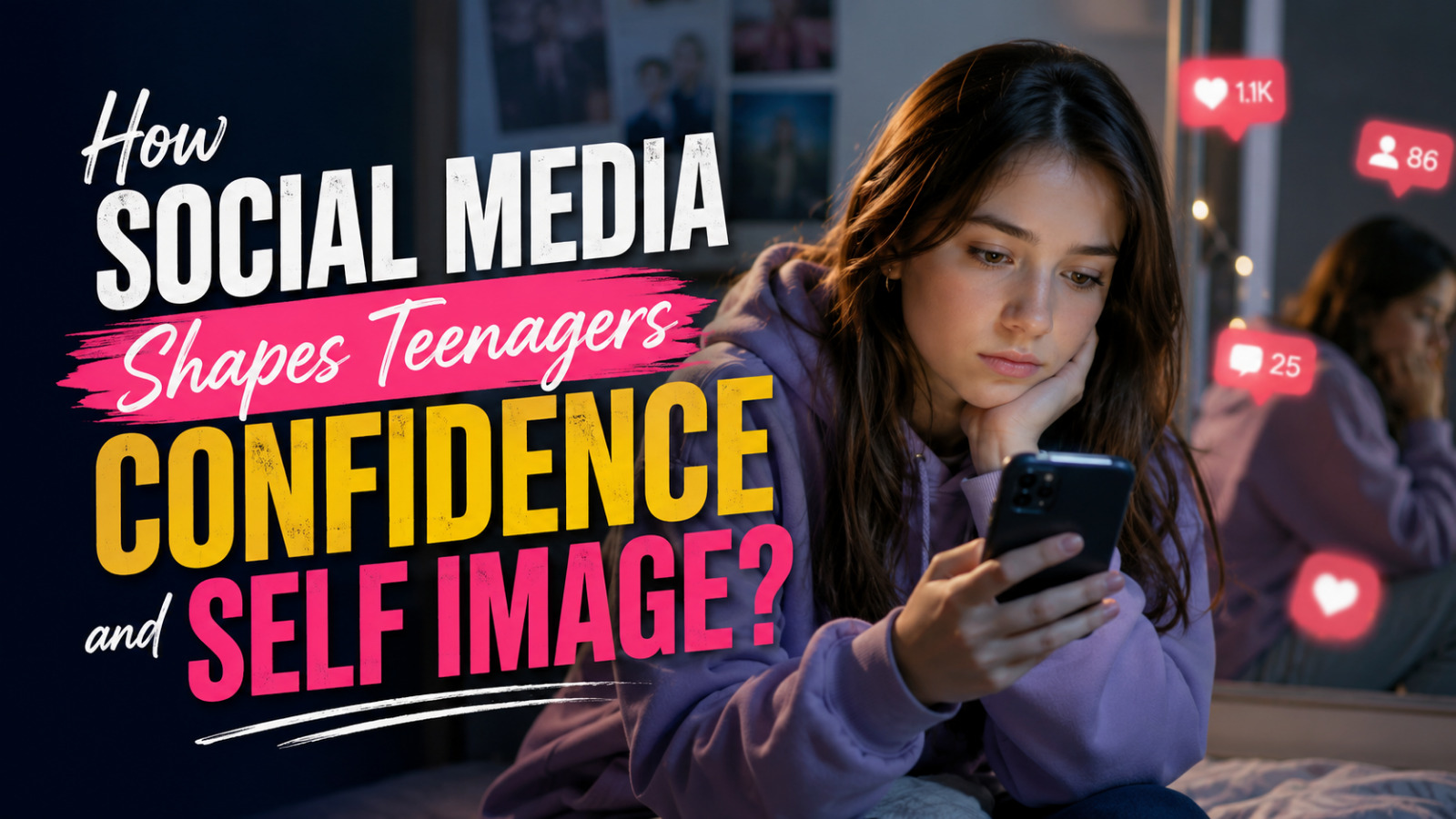
Social media has become a major part of teenagers’ everyday lives. Platforms such as Instagram, TikTok, YouTube, and other digital platforms allow young people to communicate, share ideas, discover new trends, and express themselves creatively. However, the content teenagers see online can influence how they think about themselves, their appearance, and their abilities. Social media can provide positive encouragement, but it can also create pressure through comparison and unrealistic expectations. Understanding its influence is important to help teenagers develop a healthy self-image and strong confidence.
THE POSITIVE IMPACT OF SOCIAL MEDIA ON TEENAGERS
When used properly, social media can have positive effects on teenagers’ confidence. Many young people use online platforms to share their talents, creative projects, opinions, and achievements. Receiving positive feedback from supportive communities can motivate teenagers to improve their skills and believe in their abilities.
Social media also helps teenagers connect with people who share similar interests. Online communities can provide encouragement, knowledge, and inspiration. These positive experiences can increase confidence and help teenagers feel accepted in a larger social environment.
HOW SOCIAL MEDIA INFLUENCES SELF IMAGE?
The content teenagers consume online can strongly affect their self-image. Many social media posts show carefully edited photos, luxury lifestyles, and idealized appearances that may not represent reality. Constant exposure to these images can make teenagers compare themselves with others and feel that they are not good enough.
This comparison can reduce self-esteem and create insecurity about appearance, achievements, or lifestyle. Teenagers may focus too much on likes, comments, and followers as measures of their personal value. Developing awareness that online content is often selective and edited can help teenagers build a healthier perspective.
THE ROLE OF DIGITAL LITERACY IN SOCIAL MEDIA USE
Digital literacy plays an important role in helping teenagers use social media responsibly. It teaches young people how to evaluate information, understand online behavior, and recognize unrealistic content. With strong digital literacy skills, teenagers can avoid negative influences and make smarter decisions online.
Digital literacy also helps teenagers understand privacy, online safety, and responsible communication. Knowing how to manage digital activities allows them to enjoy social media while reducing potential risks. These skills are essential in today’s technology-driven world.
SOCIAL MEDIA AND TEENAGERS MENTAL HEALTH
The relationship between social media and mental health is complex. Positive online interactions can improve feelings of connection and support, but excessive use may contribute to stress, anxiety, loneliness, and emotional exhaustion. Spending too much time comparing oneself with others online can negatively affect psychological well-being.
Teenagers should recognize the importance of balance when using digital platforms. Taking breaks, spending time with family and friends, and engaging in offline activities can support better emotional health. A balanced lifestyle helps reduce the negative effects of excessive social media use.
WAYS TO BUILD HEALTHY CONFIDENCE ONLINE
Building real confidence requires focusing on personal growth rather than online approval. Teenagers should understand that their value is not determined by the number of likes, comments, or followers they receive. Confidence grows through learning, achievements, positive relationships, and self-acceptance.
Choosing positive online communities is also important. Following accounts that provide education, motivation, and inspiration can create a healthier digital experience. Avoiding content that creates insecurity helps teenagers maintain a stronger and more positive mindset.
THE IMPORTANCE OF PARENT AND SCHOOL SUPPORT
Parents and schools have an important role in guiding teenagers in using social media responsibly. Open discussions about online experiences help teenagers understand the challenges they may face in digital environments. Supportive guidance allows them to handle online pressure more effectively.
Schools can also provide education about digital responsibility, cyberbullying prevention, and healthy technology habits. Teaching teenagers how to manage social media encourages safer and more positive online behavior. Collaboration between families and schools creates stronger support systems for young people.
CREATING A POSITIVE DIGITAL ENVIRONMENT
A positive digital environment can help teenagers develop confidence and creativity. Sharing useful information, supporting others, and participating in meaningful discussions create healthier online experiences. Social media becomes more beneficial when it is used for learning, communication, and self-development.
Teenagers should also practice kindness and respect when interacting online. Avoiding harmful comments, negative comparisons, and unhealthy trends contributes to a safer digital space. Responsible social media use allows technology to become a tool for personal growth.
CONCLUSION
Social media has a significant influence on teenagers confidence and self-image. It can provide opportunities for creativity, connection, and personal development, but it can also create pressure through unrealistic comparisons and online expectations. By improving digital literacy, maintaining balanced usage, choosing positive content, and building confidence through real-life experiences, teenagers can develop a healthier relationship with social media. Responsible digital habits help young people use technology effectively while protecting their mental health and personal growth.
Tentang Penulis
Gusti Ayu Tita P
Penulis — Universitas STEKOM
Penulis aktif yang berfokus pada isu-isu akademik, teknologi pendidikan, dan pengembangan sumber daya manusia di lingkungan kampus.