How to Avoid Burnout by Practicing Slow Living?
Gusti Ayu Tita P
14 Oktober 2026
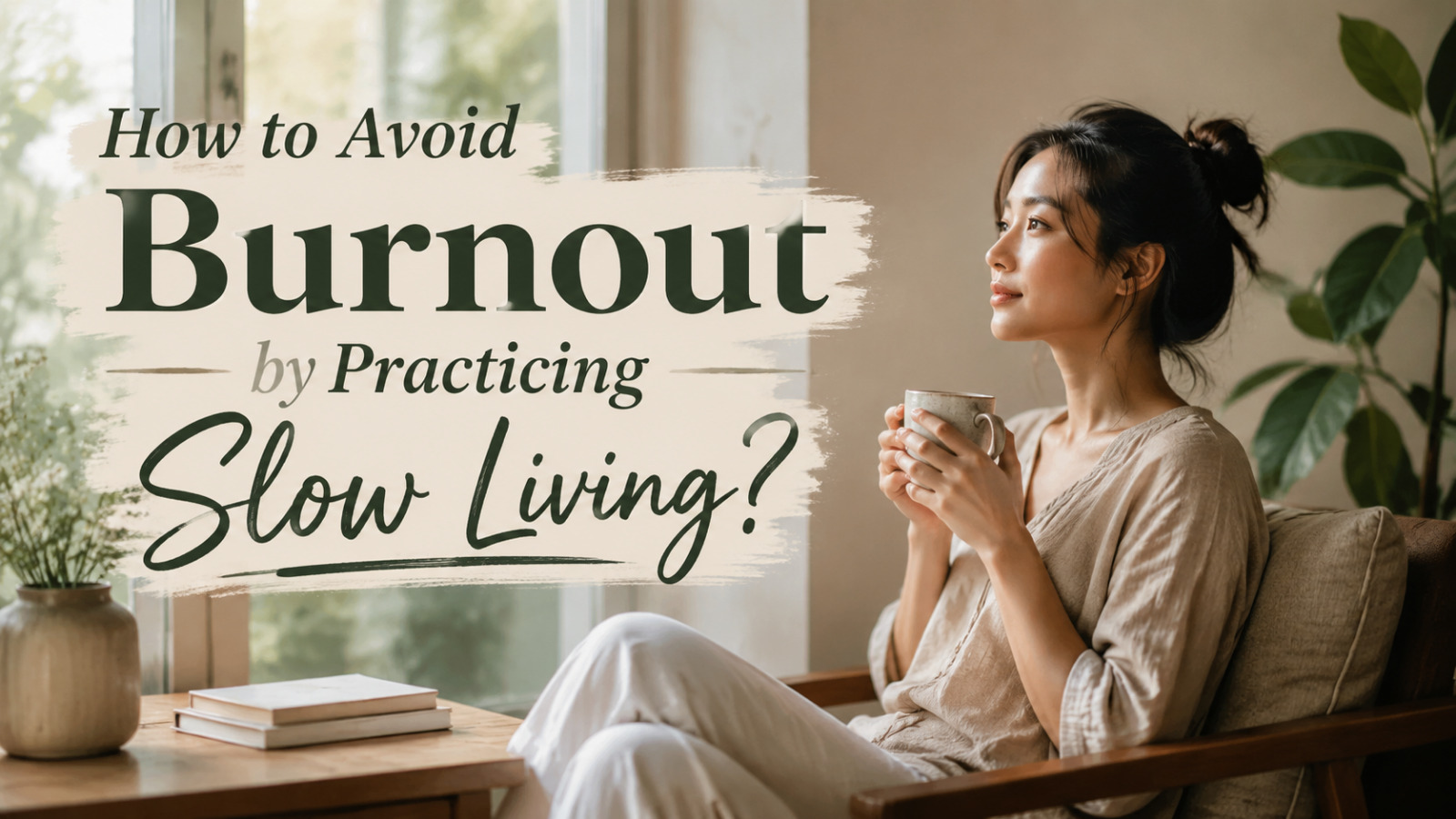
Burnout has become one of the most common challenges in today's fast-paced world. Constant deadlines, digital distractions, and the pressure to stay productive can leave people feeling physically and emotionally exhausted. While hard work is important, ignoring the need for rest can reduce both performance and overall well-being. This is why many people are now embracing Slow Living as a healthier lifestyle.
Slow Living is not about being lazy or avoiding responsibilities. Instead, it encourages people to live more intentionally, focus on what truly matters, and create a healthier balance between work and personal life. This article explains how practicing Slow Living can help prevent burnout and improve long-term mental and physical health.
WHAT IS SLOW LIVING?
Slow Living is a lifestyle that encourages people to slow down and make thoughtful decisions instead of constantly rushing. It emphasizes mindful living, meaningful experiences, and quality over quantity. Rather than filling every hour with work or activities, people learn to appreciate the present moment.
By adopting Slow Living, individuals reduce unnecessary stress and become more aware of their personal needs. This lifestyle supports healthier habits, stronger relationships, and better emotional well-being. It also allows people to recharge before stress develops into burnout.
WHY BURNOUT HAPPENS?
Burnout usually develops after experiencing prolonged stress without enough recovery time. Excessive workloads, unrealistic expectations, poor work-life balance, and constant multitasking often contribute to this condition. Over time, both physical energy and mental motivation begin to decline.
Common signs of burnout include chronic fatigue, difficulty concentrating, reduced productivity, emotional exhaustion, and loss of motivation. Recognizing these symptoms early is essential because early action can prevent more serious health problems.
HOW SLOW LIVING HELPS PREVENT BURNOUT?
Practicing Slow Living helps people create healthier daily routines by reducing unnecessary pressure. Instead of trying to accomplish everything at once, individuals learn to prioritize important tasks and eliminate distractions. This approach encourages better focus and greater satisfaction with daily achievements.
Slow Living also promotes mental wellness by encouraging regular breaks, quality sleep, and meaningful leisure activities. These habits allow both the mind and body to recover, making it easier to handle challenges without becoming overwhelmed.
PRACTICAL WAYS TO PRACTICE SLOW LIVING
One effective way to begin is by simplifying your daily schedule. Avoid overcommitting yourself and focus only on activities that truly add value. Learning to say no to unnecessary obligations protects both your energy and your mental health.
Another important habit is practicing digital detox. Limiting screen time, reducing social media use, and setting boundaries for work-related notifications can significantly lower stress levels. Spending time in nature, reading books, or enjoying hobbies also supports emotional balance.
BUILD HEALTHY DAILY HABITS
Healthy routines play an important role in preventing burnout. Start each day with a calm morning routine instead of immediately checking emails or social media. Gentle stretching, meditation, journaling, or enjoying a healthy breakfast can help prepare your mind for the day ahead.
Regular physical exercise, balanced nutrition, and sufficient sleep also strengthen both physical and emotional resilience. Small but consistent healthy habits often create lasting improvements in overall well-being.
THE IMPORTANCE OF MINDFUL LIVING
Mindful Living teaches people to fully experience the present moment without constantly worrying about the future. Mindfulness helps reduce anxiety while improving concentration and emotional control. Even a few minutes of mindful breathing each day can create noticeable benefits.
Practicing mindfulness also encourages gratitude. Appreciating simple moments, supportive relationships, and personal achievements helps shift attention away from constant stress and creates a more positive outlook on life.
CREATE A BETTER WORK LIFE BALANCE
A healthy Work Life balance is essential for avoiding burnout. Set clear boundaries between work and personal time by avoiding work tasks after office hours whenever possible. Protecting your personal time allows your brain to recover and improves long-term productivity.
Employers and employees both benefit when work-life balance is respected. Well-rested individuals tend to make better decisions, communicate more effectively, and maintain higher motivation throughout their careers.
BENEFITS OF PRACTICING SLOW LIVING
Adopting Slow Living provides many long-term benefits beyond burnout prevention. People often experience better emotional stability, improved physical health, stronger relationships, and increased creativity. They also become more productive because they work with greater focus instead of constant pressure.
Most importantly, Slow Living encourages sustainable success. Rather than chasing endless productivity, people learn to build a balanced lifestyle that supports happiness, health, and personal growth for years to come.
CONCLUSION
Burnout is not a sign of weakness but often the result of prolonged stress and an unhealthy lifestyle. Practicing Slow Living offers a practical and sustainable way to reduce stress, improve Mental Wellness, and create a healthier Work Life balance. By making small daily changes such as simplifying routines, practicing Mindful Living, and taking regular breaks, anyone can protect their well-being while maintaining long-term productivity and success.
Tentang Penulis
Gusti Ayu Tita P
Penulis — Universitas STEKOM
Penulis aktif yang berfokus pada isu-isu akademik, teknologi pendidikan, dan pengembangan sumber daya manusia di lingkungan kampus.