How to Balance Risk and Reward in Your Investment Portfolio?
Gusti Ayu Tita P
6 Agustus 2026
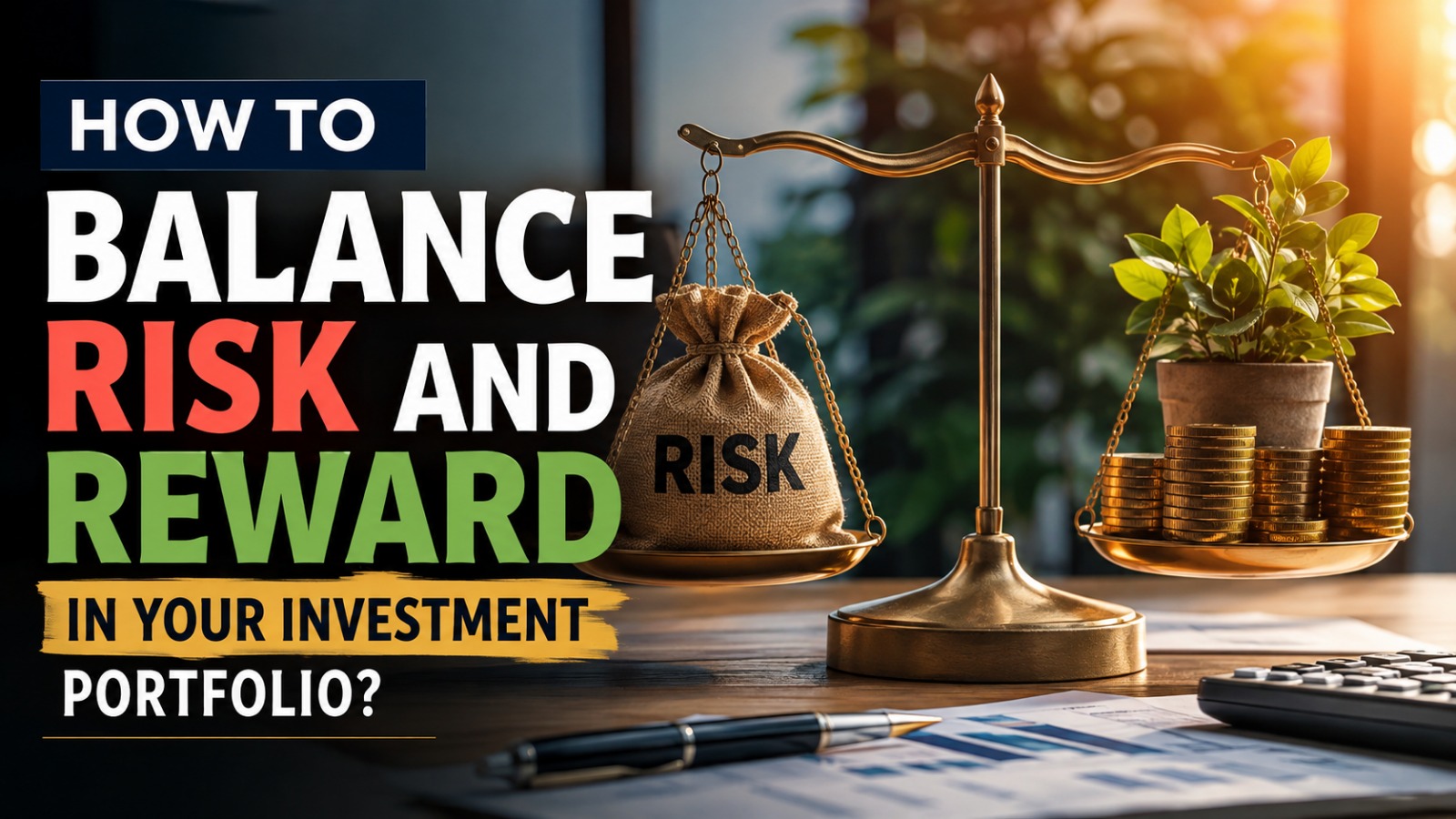
Building a successful investment portfolio requires a good understanding of the relationship between risk and reward. Every investment opportunity has a certain level of risk, and generally, investments with higher potential returns also involve greater uncertainty. Finding the right balance between these two factors is essential for achieving sustainable financial growth.
Many investors focus only on maximizing profits without considering the possibility of losses. A smart investor understands that successful investing is not about avoiding all risks but about managing them effectively. By creating a balanced portfolio, investors can pursue attractive returns while maintaining financial stability.
UNDERSTAND THE RELATIONSHIP BETWEEN RISK AND REWARD
The basic principle of investing is that higher potential returns usually come with higher risks. Stocks, for example, may provide significant growth opportunities but can experience large price fluctuations. Meanwhile, lower-risk investments such as bonds generally offer more stable but smaller returns.
Understanding this relationship helps investors make realistic expectations about their investments. Instead of searching for the highest possible profit, investors should focus on finding opportunities that match their financial goals and risk capacity. A balanced approach creates a healthier investment strategy.
IDENTIFY YOUR PERSONAL RISK TOLERANCE
Every investor has a different ability to handle investment risks. Risk tolerance refers to how comfortable someone is with experiencing potential losses while pursuing future returns. Factors such as age, income, financial responsibilities, and investment goals influence risk tolerance.
Investors with a higher risk tolerance may choose more growth-focused assets because they can handle market volatility. On the other hand, investors who prefer stability may allocate more funds toward safer investments. Understanding personal risk tolerance prevents investors from choosing portfolios that create unnecessary stress.
BUILD A DIVERSIFIED INVESTMENT PORTFOLIO
One of the best ways to balance risk and reward is through portfolio diversification. Diversification involves spreading investments across different asset classes, industries, and markets. This reduces the impact of poor performance from a single investment.
A diversified portfolio may include stocks, bonds, mutual funds, ETFs, and other financial instruments. Each asset type reacts differently to economic changes, helping create better stability. Proper diversification allows investors to pursue growth opportunities while reducing overall portfolio risk.
CHOOSE THE RIGHT ASSET ALLOCATION STRATEGY
Asset allocation determines how investments are divided among different categories. The right allocation depends on investment goals, time horizon, and personal risk preferences. A well-planned allocation helps create a balance between growth potential and financial protection.
For example, younger investors with longer investment periods may choose a higher percentage of growth assets. Investors who are closer to retirement may prefer more stable assets to protect their capital. Adjusting asset allocation based on personal circumstances is an important part of portfolio management.
AVOID CHASING HIGH RETURNS WITHOUT ANALYSIS
Many investors make mistakes by focusing only on investments that promise high returns. While attractive profits can be tempting, extremely high returns often involve greater risks. Investing without proper analysis can lead to significant losses.
Before choosing an investment, investors should evaluate factors such as financial performance, market conditions, and long-term potential. A strong investment decision is based on research rather than emotions or temporary market trends. Careful analysis helps maintain a healthier risk and reward balance.
USE A LONG TERM INVESTMENT APPROACH
Maintaining a long-term investment mindset is important when managing risk and reward. Short-term market movements can create emotional reactions, causing investors to make poor decisions. Long-term investing allows portfolios more time to recover from temporary market declines.
The power of compound growth also becomes stronger over time. Investors who remain consistent and patient often benefit from gradual wealth accumulation. A long-term approach reduces the pressure of short-term market fluctuations and supports more stable financial progress.
REVIEW AND REBALANCE YOUR PORTFOLIO REGULARLY
Market movements can change the balance of an investment portfolio over time. Some assets may grow faster, while others may decline, causing the original allocation to shift. Regular portfolio rebalancing helps maintain the intended level of risk.
Rebalancing allows investors to adjust their portfolios according to changing conditions and financial objectives. This process supports investment discipline and prevents portfolios from becoming too concentrated in certain assets. Regular evaluation helps maintain a proper balance between risk and reward.
MANAGE EMOTIONS DURING MARKET CHANGES
Emotional decisions can negatively affect investment performance. Fear during market declines may cause investors to sell too early, while greed during market growth may encourage excessive risk-taking. Both reactions can damage long-term results.
Successful investors focus on investment discipline and follow a clear strategy. They understand that market fluctuations are a normal part of investing. Remaining calm and making decisions based on analysis improves the possibility of achieving consistent returns.
CONCLUSION
Balancing risk and reward is a fundamental part of building a successful investment portfolio. Investors need to understand their goals, evaluate risks, diversify assets, and maintain a disciplined strategy to achieve sustainable results.
There is no investment without risk, but proper management can reduce unnecessary losses and improve long-term opportunities. By creating the right balance between growth and protection, investors can build a stronger portfolio that supports financial security and wealth creation.
Tentang Penulis
Gusti Ayu Tita P
Penulis — Universitas STEKOM
Penulis aktif yang berfokus pada isu-isu akademik, teknologi pendidikan, dan pengembangan sumber daya manusia di lingkungan kampus.