How to Build a Stronger Spiritual Connection with Yourself?
Gusti Ayu Tita P
9 September 2026
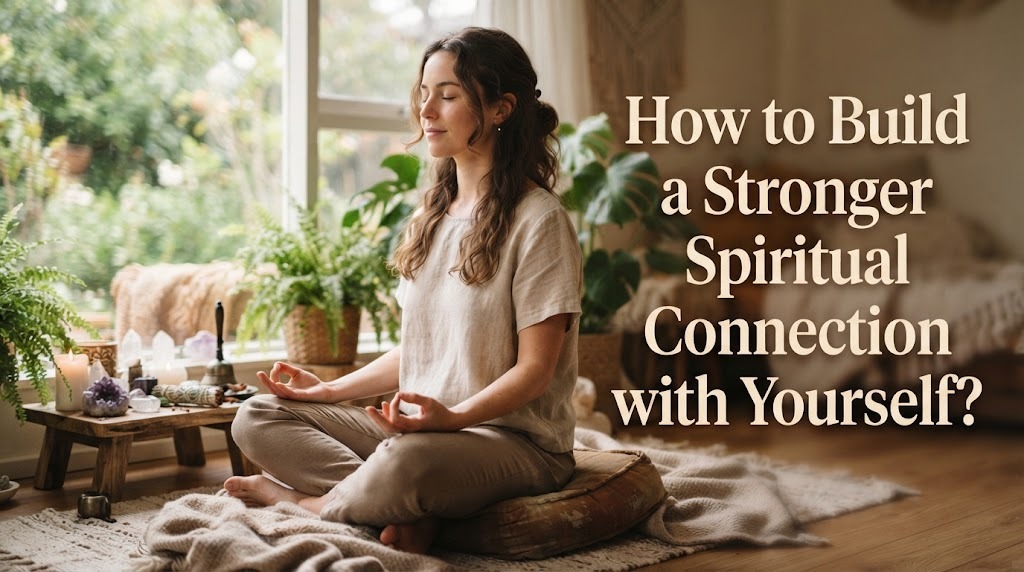
Building a stronger spiritual connection with yourself can help you understand your thoughts, emotions, values, and purpose more deeply. In the middle of busy schedules and constant digital distractions, it is easy to focus on external responsibilities while ignoring inner needs. A healthy spiritual connection can provide a sense of calm and help you make decisions that are more aligned with what truly matters to you.
Spirituality can mean different things to different people. For some, it may involve prayer and religious practices, while others may connect with spirituality through meditation, reflection, gratitude, nature, or meaningful relationships. There is no single approach that works for everyone. The most important thing is to find practices that feel meaningful and can be maintained consistently.
MAKE TIME FOR YOURSELF
The first step toward building a stronger spiritual connection is creating regular time for yourself. A few quiet minutes each day can provide an opportunity to slow down and pay attention to what is happening inside you. You can use this time to pray, meditate, journal, read, or simply sit quietly. The goal is not to accomplish another task but to create space for self-awareness. Even a short routine can become meaningful when practiced consistently.
Try choosing a time that naturally fits into your daily schedule. Morning, lunchtime, or before bed can all work depending on your routine. Put away unnecessary distractions and focus on being present. Over time, this personal time can become an important part of your day.
LISTEN TO YOUR THOUGHTS AND EMOTIONS
A strong spiritual connection requires paying attention to your inner world. Instead of immediately ignoring uncomfortable emotions, take some time to understand them. Feelings such as sadness, fear, anger, or disappointment can provide useful information about your needs and experiences. Listening to your emotions does not mean allowing them to control every decision. It means acknowledging them without immediately judging yourself.
You can begin by asking simple questions such as, What am I feeling right now? What might be causing it? What do I need at this moment? Writing your answers in a journal can make your thoughts easier to understand. With regular practice, you may become more aware of emotional patterns and personal needs.
PRACTICE MINDFULNESS
Mindfulness can help you become more aware of the present moment. Instead of constantly thinking about past mistakes or future worries, mindfulness encourages you to pay attention to what is happening now. You can practice it through slow breathing, quiet observation, walking, eating, or other everyday activities. The practice does not require a complicated routine. What matters is giving your full attention to the experience.
Start with a few minutes each day and gradually increase the time if it feels helpful. When your mind becomes distracted, gently bring your attention back to the present. Avoid judging yourself for losing focus because distraction is a normal part of the process. With practice, mindfulness can help create a greater sense of calm and awareness.
UNDERSTAND YOUR PERSONAL VALUES
Your values influence the way you make decisions and determine what you consider meaningful. These values may include honesty, compassion, family, responsibility, learning, freedom, or service to others. Understanding your core values can help you recognize what truly matters to you. It can also make it easier to identify situations that feel inconsistent with your principles. A stronger spiritual connection often develops when your daily actions reflect your deeper values.
Take some time to identify the values you consider most important. Then look at your daily choices and relationships to see whether they reflect those values. You do not need to change everything at once. Small adjustments can gradually create greater alignment between what you believe and how you live.
DEVELOP A GRATITUDE PRACTICE
Gratitude can help shift your attention toward the positive aspects of your life. It does not mean ignoring problems or pretending that everything is perfect. Instead, gratitude encourages you to recognize the things that still have value even during difficult periods. These may include supportive relationships, health, opportunities, nature, personal growth, or simple moments of peace. Regular gratitude can help develop a more balanced perspective.
One simple method is to write down three things you appreciate each day. They do not have to be major achievements or events. A good conversation, a peaceful morning, or completing an important task can be enough. Over time, this practice can make you more attentive to positive experiences that might otherwise go unnoticed.
SPEND TIME IN SILENCE AND REFLECTION
Constant information and digital stimulation can make it difficult to hear your own thoughts. Spending time in silence can create an opportunity to slow down and reflect. You can sit quietly, take a walk without your phone, pray, or simply observe your surroundings. The purpose is to give your mind a break from constant external input. This can make it easier to recognize thoughts and feelings that are often overlooked.
Reflection can also help you learn from your experiences. Consider what went well, what challenged you, and what you would like to improve. Avoid turning reflection into excessive self-criticism. The goal is to understand yourself more clearly and use your experiences as opportunities for growth.
CONNECT YOUR SPIRITUALITY WITH DAILY ACTIONS
Spirituality becomes more meaningful when it is reflected in everyday behavior. Values such as kindness, patience, honesty, forgiveness, and compassion can be practiced through ordinary interactions. Helping someone, listening carefully, or responding calmly during a difficult situation can be an expression of your values. These small actions can make spirituality part of everyday life rather than something limited to a specific time or place.
Choose one value you want to practice more intentionally each day. At the end of the day, consider how you applied it. You may discover that meaningful spiritual experiences can happen during ordinary activities. This approach can make your spiritual journey feel more practical and connected to real life.
ACCEPT YOURSELF WITHOUT GIVING UP ON GROWTH
Self-acceptance is an important part of developing a healthy relationship with yourself. Everyone has strengths, weaknesses, mistakes, and experiences that shape who they are. Constantly criticizing yourself can make it difficult to understand and appreciate your own journey. Accepting yourself does not mean refusing to improve. It means recognizing where you are today while remaining open to growth.
Try to replace harsh self-judgment with honest self-reflection. When you make a mistake, ask what you can learn rather than focusing only on what went wrong. Recognize progress even when it happens slowly. A compassionate attitude toward yourself can create a stronger foundation for personal and spiritual growth.
CREATE A SUPPORTIVE ENVIRONMENT
The people and environments around you can influence your spiritual well-being. Spending time with supportive people can provide encouragement, meaningful conversations, and a sense of connection. Depending on your beliefs, a religious or spiritual community may also provide opportunities for learning and reflection. However, your spiritual journey does not have to depend entirely on other people. Personal independence remains important.
Choose relationships that allow you to be authentic and grow without unnecessary pressure. Healthy boundaries can protect your time, energy, and personal values. If certain environments consistently make you feel disconnected from yourself, consider creating some distance. A supportive environment should encourage growth rather than force you to become someone you are not.
BUILD CONSISTENT HABITS
A stronger spiritual connection is usually developed through consistency rather than occasional intense experiences. Choose a few simple practices that fit naturally into your lifestyle. For example, you might spend five minutes reflecting in the morning, practice gratitude at night, or set aside one period each week for deeper reflection. Simple habits are often easier to maintain than complicated routines. Consistency allows these practices to gradually become part of your daily life.
Do not assume that missing one day means you have failed. Life can become unpredictable, and routines sometimes need to change. If you miss your practice, simply return to it when you can. Long-term consistency comes from being willing to begin again.
CONCLUSION
Building a stronger spiritual connection with yourself can begin with simple practices such as making time for reflection, listening to your emotions, practicing mindfulness, and understanding your personal values. Gratitude, silence, self-acceptance, supportive relationships, and meaningful daily actions can further strengthen this connection. You do not need to follow a complicated routine or make dramatic changes to your life.
Spiritual growth is a personal and ongoing process. What matters is creating habits that help you become more aware of yourself, your values, and the meaning you find in life. By practicing consistently and allowing yourself to grow gradually, you can develop a deeper connection with yourself and approach everyday life with greater clarity and inner peace.
Tentang Penulis
Gusti Ayu Tita P
Penulis — Universitas STEKOM
Penulis aktif yang berfokus pada isu-isu akademik, teknologi pendidikan, dan pengembangan sumber daya manusia di lingkungan kampus.