How to Create an Investment Portfolio That Matches Your Financial Goals?
Gusti Ayu Tita P
6 Agustus 2026
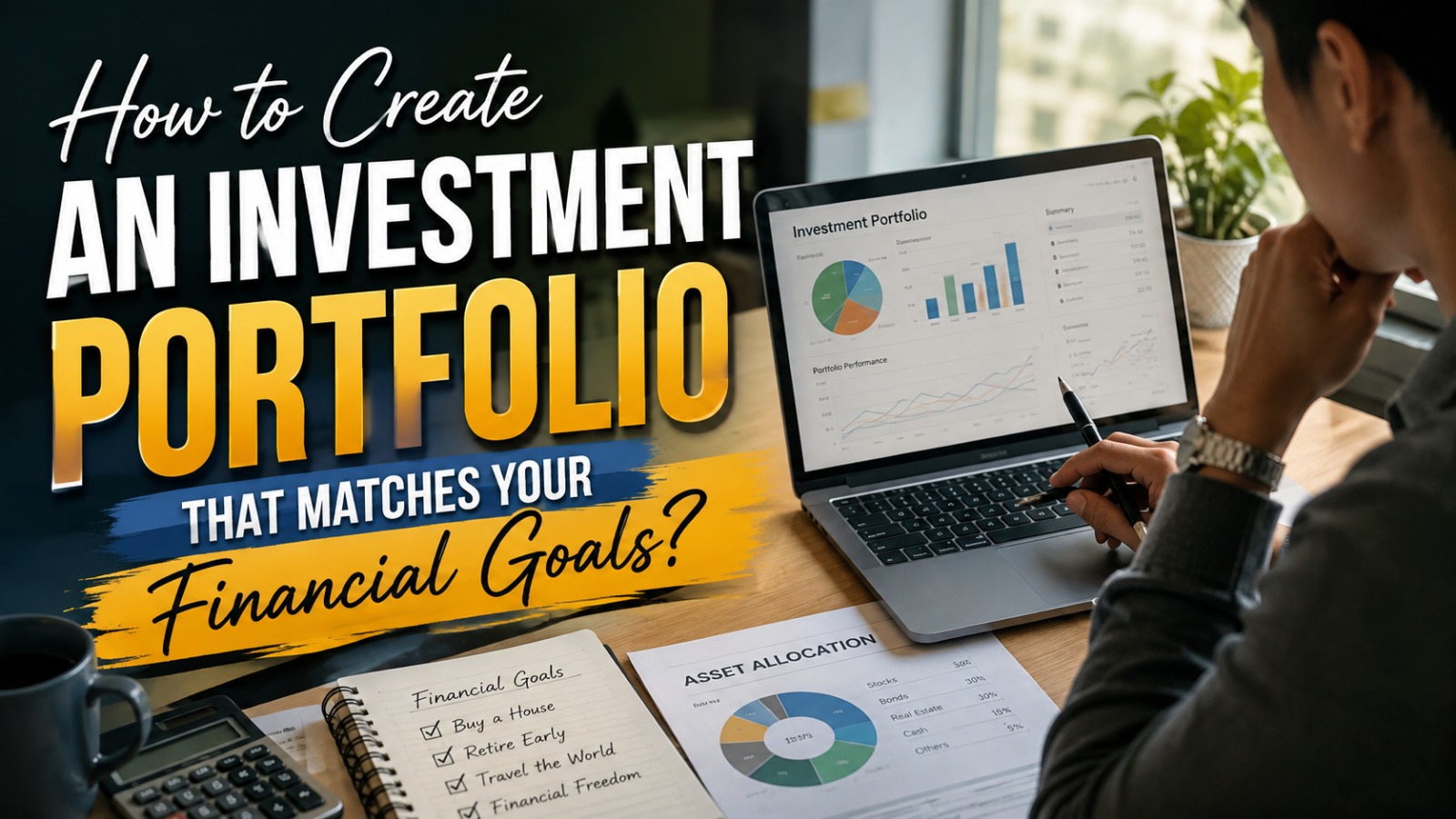
Creating an investment portfolio that matches your financial goals is an important step toward achieving financial stability and long-term wealth. Every investor has different objectives, such as buying a home, preparing for retirement, creating passive income, or building financial freedom. Because of these differences, there is no single investment strategy that works perfectly for everyone.
A successful portfolio should be designed based on personal goals, investment timeline, income situation, and risk tolerance. By creating a strategy that fits your individual needs, you can make better investment decisions and increase the possibility of achieving long-term financial growth.
IDENTIFY YOUR FINANCIAL GOALS CLEARLY
The first step in creating a suitable investment portfolio is identifying your financial goals. Investors need to understand what they want to achieve and when they want to achieve it. Clear goals provide direction and help determine the most appropriate investment strategy.
Financial goals can be divided into short-term, medium-term, and long-term objectives. Short-term goals may include saving for emergencies, while long-term goals may involve retirement planning or wealth creation. Understanding these timelines helps investors select assets that match their specific needs.
DETERMINE YOUR INVESTMENT TIME HORIZON
The investment time horizon refers to how long you plan to keep your money invested before using it. This factor plays an important role in choosing suitable assets because different investments perform differently over various periods.
Investors with longer time horizons usually have more flexibility to choose growth-oriented assets because they have more time to recover from market fluctuations. Meanwhile, investors with shorter timelines may prefer safer investments to protect their capital. Matching investment duration with financial goals creates a more effective strategy.
UNDERSTAND YOUR RISK TOLERANCE
Every investor has a different level of comfort when facing market changes. Risk tolerance determines how much volatility and potential loss an investor can accept. Understanding this factor prevents investors from choosing portfolios that create unnecessary financial stress.
A person with higher risk tolerance may allocate more funds to stocks or growth assets. In contrast, investors who prefer stability may choose bonds, fixed-income products, or more conservative investments. The right portfolio should provide opportunities for growth while still allowing investors to feel comfortable.
CHOOSE THE RIGHT ASSET ALLOCATION
Asset allocation is the process of dividing investments among different asset categories. This strategy is one of the most important factors affecting portfolio performance. A balanced allocation helps investors manage risk while pursuing their financial objectives.
Common asset categories include stocks, bonds, mutual funds, ETFs, and real estate. The percentage of each asset depends on the investor’s goals, risk profile, and investment period. A well-designed allocation creates a portfolio that is aligned with personal financial priorities.
BUILD A DIVERSIFIED PORTFOLIO
A strong investment portfolio should not depend on only one type of asset. Portfolio diversification helps reduce risks by spreading investments across different assets, industries, and markets. This approach protects investors when certain investments experience poor performance.
For example, a portfolio containing only technology stocks may face significant losses if that sector declines. Adding different asset types can create better stability and reduce concentration risk. Diversification allows investors to maintain growth opportunities while improving portfolio resilience.
MATCH INVESTMENT STRATEGY WITH PERSONAL FINANCIAL CONDITIONS
Financial situations are different for every person. Income level, expenses, savings, debt, and future plans all influence the type of portfolio that should be created. Investors should consider their overall financial condition before making investment decisions.
A person with stable income and strong savings may have more flexibility to invest in growth assets. Meanwhile, someone with financial responsibilities may need a more balanced approach. Understanding personal circumstances ensures that investment decisions support overall financial health.
REVIEW AND ADJUST YOUR PORTFOLIO REGULARLY
Financial goals and market conditions can change over time. A portfolio that matches your needs today may not be suitable several years later. Regular evaluation helps ensure that investments continue to support your current objectives.
Through portfolio rebalancing, investors can adjust asset allocation and maintain the desired risk level. This process keeps investments aligned with changing goals, income changes, and market developments. Regular reviews are essential for maintaining an effective long-term strategy.
AVOID EMOTIONAL INVESTMENT DECISIONS
Emotions can influence investment decisions, especially during periods of market uncertainty. Fear may cause investors to sell too quickly, while excitement may encourage excessive risk-taking. These behaviors can negatively affect long-term investment performance.
Successful investors follow a clear plan and focus on their financial objectives. Maintaining investment discipline helps avoid impulsive decisions and keeps the portfolio aligned with long-term goals. A logical approach is more effective than reacting to temporary market movements.
CONCLUSION
Creating an investment portfolio that matches your financial goals requires careful planning, self-understanding, and continuous evaluation. Investors should consider their objectives, time horizon, risk tolerance, and asset allocation before choosing investments.
A personalized portfolio provides a stronger foundation for achieving financial success. By maintaining diversification, practicing discipline, and adjusting strategies when needed, investors can build a portfolio that supports sustainable wealth creation and long-term financial security.
Tentang Penulis
Gusti Ayu Tita P
Penulis — Universitas STEKOM
Penulis aktif yang berfokus pada isu-isu akademik, teknologi pendidikan, dan pengembangan sumber daya manusia di lingkungan kampus.