
How to Create Engaging Live Streaming Content for Modern Audiences?
Gusti Ayu Tita P
26 Agustus 2026
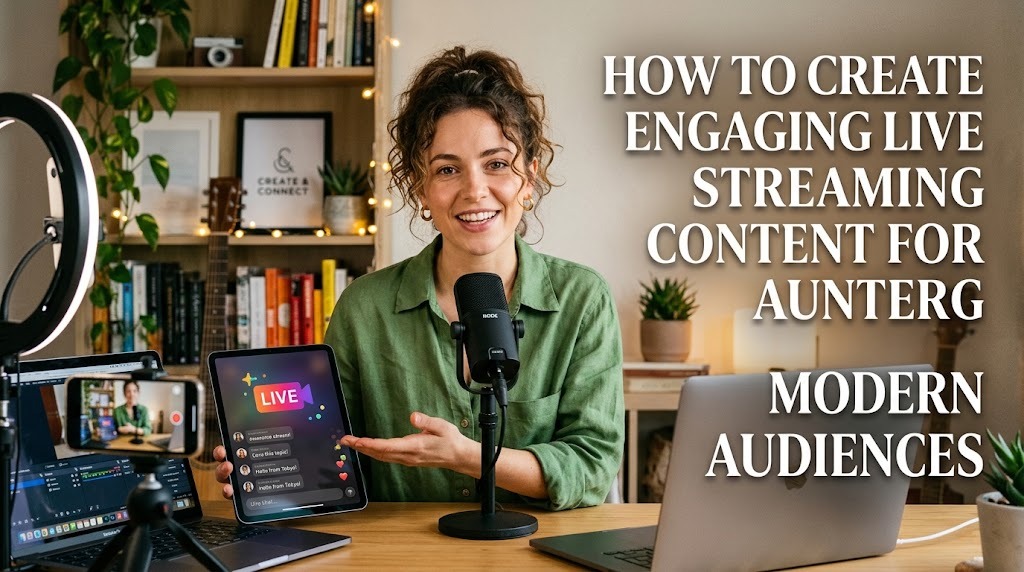
Live streaming has become an effective way for businesses, creators, and organizations to communicate directly with audiences. Unlike traditional content, live streaming allows viewers to participate through comments, questions, reactions, and other forms of interaction. This creates a more personal experience because audiences can respond to content as it happens. However, simply going live is not enough to attract and retain viewers. Engaging live streaming content requires careful planning, relevant topics, interactive elements, and consistent delivery.
UNDERSTAND YOUR TARGET AUDIENCE
The first step in creating engaging live streaming content is understanding who your target audience is. Creators need to know their viewers' interests, needs, problems, and preferred communication styles. This information can help determine whether the content should focus on education, entertainment, product demonstrations, discussions, or other relevant topics. Understanding audience behavior also makes it easier to choose an appropriate streaming schedule and presentation style. Content that matches audience expectations has a greater opportunity to generate meaningful interaction.
Audience research does not always require complicated methods. Creators can examine comments on previous content, review frequently asked questions, conduct simple polls, or observe which topics receive the most engagement. These insights can be used to develop future live sessions. When viewers feel that the content addresses something they care about, they are more likely to stay and participate. Knowing the audience should therefore become the foundation of every live streaming strategy.
CHOOSE RELEVANT AND INTERESTING TOPICS
A strong topic is one of the most important factors in attracting viewers to a live stream. The subject should provide a clear reason for people to watch rather than simply announcing that a live session will take place. Creators can discuss current issues within their industry, answer common questions, demonstrate products, share practical tips, or provide behind the scenes content. Useful and relevant topics can make viewers feel that their time is being respected. The topic should also be specific enough to give the live session a clear direction.
Creators can prepare several discussion points before starting the broadcast. However, the session should not feel overly scripted because live streaming is valuable partly because of its natural and spontaneous character. A simple outline can help the host stay focused while still allowing room for audience questions and unexpected discussions. Combining preparation with flexibility can make a live stream feel organized without becoming boring or rigid.
USE INTERACTIVE FEATURES EFFECTIVELY
Interaction is what makes live streaming different from many forms of recorded content. Hosts can encourage viewers to ask questions, share opinions, respond to polls, or participate in simple challenges related to the topic. Reading viewer comments aloud can also make audiences feel that their presence is recognized. Direct interaction helps create a stronger connection between the host and viewers. It can also encourage viewers to remain active throughout the broadcast.
However, interaction should be relevant rather than forced. Asking too many questions without responding to the answers can make viewers feel ignored. Hosts should regularly monitor comments and respond to useful questions whenever possible. For business live streams, interaction can also help identify customer needs, product concerns, and purchasing preferences. A two way conversation can turn passive viewers into an active community.
CREATE A NATURAL AND ENGAGING PRESENTATION
The way information is delivered can strongly influence how long viewers remain interested. Hosts should communicate clearly, maintain appropriate energy, and avoid reading long scripts word for word. Simple language is often more effective because audiences may come from different backgrounds and levels of knowledge. A natural presentation style can make the host appear more approachable and authentic. Facial expressions, gestures, visual demonstrations, and changes in tone can also help maintain attention.
Visual quality should support the content without making the production unnecessarily complicated. A clean background, adequate lighting, clear audio, and stable camera position can make a live stream more comfortable to watch. If the session involves products or demonstrations, the host should ensure that important details can be seen clearly by viewers. Good technical preparation combined with confident communication can significantly improve the viewing experience.
PROMOTE THE LIVE STREAM BEFORE AND AFTER THE EVENT
Creating good content is important, but audiences also need to know when the live stream will happen. Creators can announce the session through social media posts, short videos, stories, email communication, or community channels. The announcement should clearly explain the topic, date, time, and main benefit viewers can expect. A clear promotional message can help build anticipation before the broadcast begins. Reminders can also be shared closer to the scheduled time to increase the chance that interested viewers will attend.
The content should not end when the live stream finishes. Important moments can be transformed into short videos, quotes, highlights, or educational posts for other digital channels. This allows one live session to generate additional content and reach people who could not watch the original broadcast. Reviewing viewer feedback can also reveal which parts of the session performed well and which areas need improvement. Repurposing content and analyzing feedback can help creators improve future live streaming sessions.
MAINTAIN CONSISTENCY AND EVALUATE PERFORMANCE
Consistency is essential for building a loyal live streaming audience. Viewers are more likely to return when they know that a creator regularly provides valuable content at a predictable time. Consistency does not mean going live every day, but it does require a schedule that can realistically be maintained. A sustainable streaming routine is better than broadcasting frequently and then disappearing for long periods. Regular sessions can gradually help audiences develop a habit of watching and interacting with the content.
Performance should also be evaluated after each broadcast. Creators can review metrics such as viewer numbers, average watch time, comments, shares, reactions, and other available engagement indicators. These results can help identify topics and presentation methods that attract the most attention. Feedback from viewers should also be considered because numerical data does not always explain why audiences respond in a particular way. Continuous evaluation allows creators to refine their content and develop stronger live streaming strategies over time.
CONCLUSION
Creating engaging live streaming content requires more than turning on a camera and speaking to an audience. Creators need to understand their viewers, choose relevant topics, encourage interaction, present information naturally, promote sessions effectively, and maintain consistency. Technical quality is important, but authentic communication and useful content remain central to audience engagement. By reviewing performance and listening to viewer feedback, creators can continuously improve their broadcasts. With the right approach, live streaming can become a valuable channel for building relationships, strengthening brand awareness, and reaching modern audiences.
Tentang Penulis
Gusti Ayu Tita P
Penulis — Universitas STEKOM
Penulis aktif yang berfokus pada isu-isu akademik, teknologi pendidikan, dan pengembangan sumber daya manusia di lingkungan kampus.















