How To Improve Emotional Intelligence For A Happier Life?
Gusti Ayu Tita P
16 September 2026
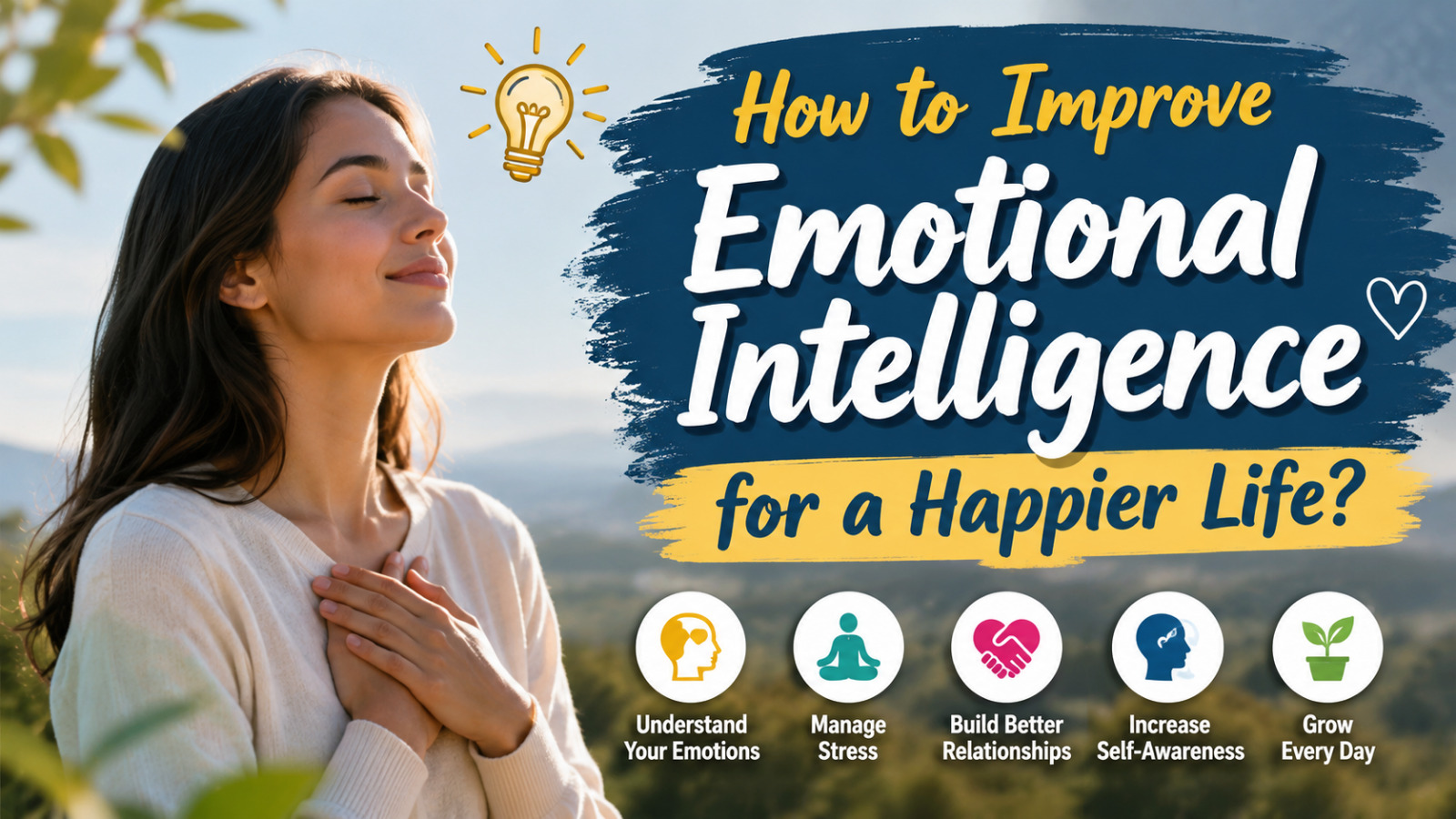
Emotional Intelligence is one of the most valuable skills a person can develop to build stronger relationships, make better decisions, and achieve greater happiness. While intelligence and technical abilities are important, understanding and managing emotions often plays a bigger role in personal and professional success. People with high emotional intelligence are generally better at handling stress, communicating effectively, and resolving conflicts in a healthy way.
In today's fast-changing world, emotional challenges are becoming more common due to work pressure, social expectations, and daily responsibilities. Improving Emotional Intelligence helps individuals remain calm during difficult situations, understand other people's feelings, and maintain a positive mindset. By developing this essential life skill, anyone can create a happier and more balanced life.
UNDERSTANDING EMOTIONAL INTELLIGENCE
Emotional Intelligence refers to the ability to recognize, understand, manage, and express emotions effectively. It also includes the ability to understand the emotions of others and respond appropriately in different situations. Unlike IQ, emotional intelligence can be improved through continuous learning and daily practice.
People with strong emotional intelligence usually make thoughtful decisions instead of reacting impulsively. They communicate more effectively, build stronger relationships, and adapt better to life's challenges. Developing this ability creates a solid foundation for long-term happiness and Personal Growth.
DEVELOP SELF AWARENESS
Self Awareness is the first step toward improving emotional intelligence. It involves understanding your emotions, recognizing emotional triggers, and identifying how your feelings influence your thoughts and actions. Becoming more aware of yourself helps you respond wisely instead of reacting emotionally.
One practical way to build self-awareness is by reflecting on your daily experiences through journaling or quiet self-reflection. Taking a few minutes each day to evaluate your emotions can improve your understanding of personal strengths and areas that need improvement.
LEARN TO MANAGE YOUR EMOTIONS
Managing emotions does not mean suppressing them. Instead, it means understanding emotional responses and expressing them in a healthy and constructive manner. Strong Emotional Management allows people to stay calm under pressure and make rational decisions.
Simple habits such as deep breathing, mindfulness, regular exercise, and getting enough sleep can significantly improve emotional control. When emotions are managed effectively, stress becomes easier to handle and relationships become healthier.
STRENGTHEN EMPATHY TOWARD OTHERS
Empathy is the ability to understand and share the feelings of another person. It helps individuals build trust, improve communication, and develop meaningful relationships in both personal and professional settings. Listening carefully without interrupting is one of the simplest ways to practice empathy.
Showing genuine concern for other people's experiences creates stronger emotional connections. People who demonstrate empathy often become better leaders, friends, and team members because they understand different perspectives before making judgments.
IMPROVE SOCIAL SKILLS
Strong Social Skills are essential for building successful relationships and maintaining positive communication. People with good social skills know how to express ideas clearly, resolve disagreements respectfully, and collaborate effectively with others.
Improving communication involves active listening, maintaining positive body language, and respecting different opinions. These habits encourage healthier interactions and reduce unnecessary misunderstandings in everyday life.
HANDLE STRESS IN A HEALTHY WAY
Stress is a normal part of life, but managing it effectively is an important aspect of emotional intelligence. Ignoring stress can negatively affect both physical and mental health. Learning healthy coping strategies helps maintain emotional balance during difficult situations.
Activities such as exercising, spending time with loved ones, enjoying hobbies, and practicing relaxation techniques can reduce stress levels. Maintaining a balanced lifestyle also supports long-term emotional well-being.
DEVELOP A POSITIVE MINDSET
A positive mindset encourages people to view challenges as opportunities for learning rather than obstacles. Optimistic individuals are generally more resilient when facing setbacks because they focus on finding solutions instead of dwelling on problems.
Practicing gratitude, celebrating small achievements, and learning from mistakes can gradually strengthen emotional resilience. These habits contribute to greater happiness and continuous Personal Growth.
CONTINUE LEARNING AND GROWING
Improving Emotional Intelligence is a lifelong journey rather than a one-time achievement. Every life experience provides opportunities to strengthen emotional awareness, improve communication, and build healthier relationships. Continuous learning helps individuals become more adaptable and emotionally mature.
Reading books, attending personal development workshops, seeking constructive feedback, and practicing emotional reflection can accelerate growth. The more consistently these habits are applied, the greater the positive impact on overall well-being.
CONCLUSION
Emotional Intelligence is a powerful skill that improves relationships, strengthens mental well-being, and supports long-term success. By developing Self Awareness, practicing Emotional Management, improving Social Skills, and focusing on Personal Growth, individuals can better understand themselves and others.
Building emotional intelligence requires patience, consistency, and a willingness to learn from everyday experiences. With continuous practice, anyone can create a happier, healthier, and more fulfilling life while developing stronger personal and professional relationships.
Tentang Penulis
Gusti Ayu Tita P
Penulis — Universitas STEKOM
Penulis aktif yang berfokus pada isu-isu akademik, teknologi pendidikan, dan pengembangan sumber daya manusia di lingkungan kampus.