How to Improve Your Spiritual Connection for a More Meaningful Life?
Gusti Ayu Tita P
9 September 2026
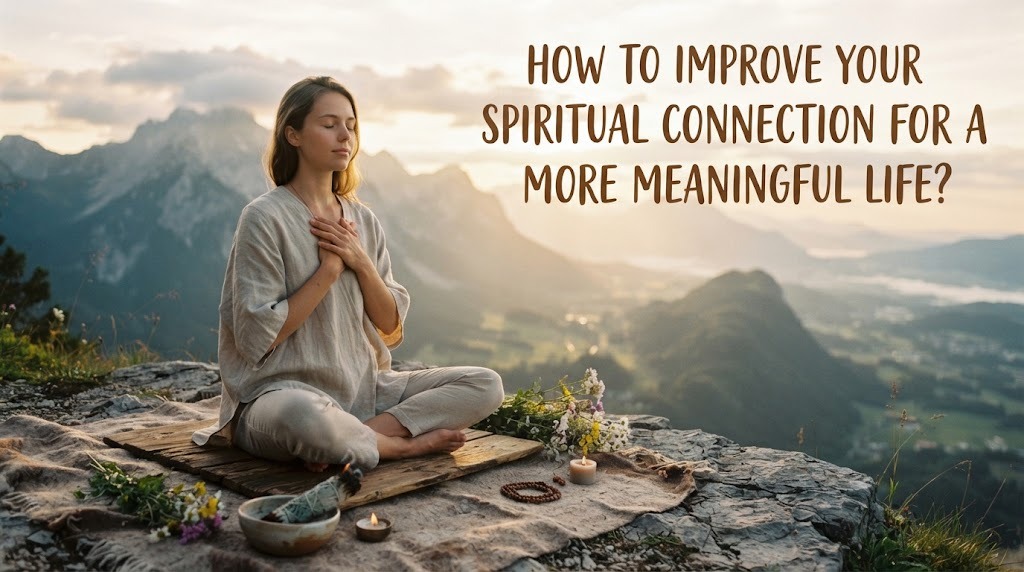
A spiritual connection can help people understand their values, beliefs, purpose, and direction in life. It can provide a sense of inner reflection and help individuals become more aware of what truly matters to them. Spirituality can be expressed in different ways depending on personal beliefs, traditions, and life experiences. Therefore, there is no single approach that works for everyone.
Modern life can become busy with work, education, social responsibilities, and digital distractions. When people focus too much on external demands, they may have less time to reflect on their inner needs. Strengthening a spiritual connection can create space for reflection, gratitude, and personal growth. It does not require major changes and can begin with simple habits practiced consistently.
MAKE TIME FOR SELF REFLECTION
Self-reflection is an important step toward developing a stronger spiritual connection. Taking a few quiet minutes each day can help you understand your thoughts, emotions, values, and priorities. You can reflect on what you have experienced and consider what you have learned from it. This practice can gradually improve self-awareness.
Keeping a journal can also make reflection easier. Write down important thoughts, things you are grateful for, or areas you would like to improve. The goal is not to create a perfect journal but to develop a regular habit of looking inward. Over time, self-reflection can help you make decisions that are more consistent with your values.
PRACTICE SPIRITUAL ACTIVITIES REGULARLY
Spiritual activities can provide dedicated time to reconnect with your beliefs and values. Depending on your personal beliefs, these activities may include prayer, meditation, reading religious or inspirational texts, contemplation, or spending quiet time in nature. Choose practices that feel meaningful and appropriate for you. Consistency is often more useful than trying to create an overly demanding routine.
Try to understand the meaning behind the practice rather than simply treating it as another task. Reflect on how its values can be applied to everyday decisions and relationships. This can help spirituality become part of daily life instead of something practiced only at specific times. A simple and sustainable routine can gradually strengthen your spiritual connection.
DEVELOP A HABIT OF GRATITUDE
Gratitude can help people recognize the positive aspects of their lives. It encourages attention toward meaningful experiences, relationships, opportunities, and simple moments that might otherwise be overlooked. Practicing gratitude does not mean ignoring difficulties or pretending that everything is perfect. Instead, it can help create a more balanced perspective.
You can develop gratitude by writing down several things you appreciate each day. They may include supportive relationships, personal achievements, learning opportunities, or ordinary moments that bring comfort. Avoid comparing your life with someone else's when practicing gratitude. Focus instead on what genuinely matters to you.
LEARN TO ACCEPT WHAT YOU CANNOT CONTROL
Life often includes situations that cannot be changed immediately or controlled completely. Failure, uncertainty, disappointment, and unexpected changes can affect anyone. A stronger spiritual connection can encourage people to distinguish between what they can control and what they need to accept. This perspective can make difficult situations easier to approach calmly.
Acceptance does not mean giving up or refusing to take action. It means recognizing reality while focusing energy on the things that can still be improved. When facing difficulties, take time to understand the situation before reacting. This approach can support patience, resilience, and clearer decision-making.
BUILD HEALTHY RELATIONSHIPS
Spiritual growth can also be expressed through the way people treat others. Values such as compassion, honesty, kindness, respect, and forgiveness can strengthen relationships. Spending meaningful time with family, friends, or supportive communities can create a stronger sense of connection. Healthy relationships can also provide encouragement during challenging periods.
Small acts of kindness can have meaningful effects. Listening to someone, offering help, or showing appreciation can strengthen relationships without requiring major sacrifices. At the same time, healthy spirituality should include appropriate personal boundaries. Maintaining respectful and balanced relationships can support both personal growth and emotional well-being.
CREATE BALANCE IN DAILY LIFE
A meaningful spiritual life can be difficult to maintain when every moment is filled with responsibilities and distractions. Creating balance between work, education, relationships, rest, and personal reflection can provide more space for spiritual growth. It is useful to identify activities that genuinely support your priorities and reduce unnecessary commitments. A balanced routine can make it easier to remain present in everyday experiences.
Digital habits can also affect the ability to stay focused and reflective. Taking regular breaks from social media and unnecessary notifications can create more mental space. Use that time for reflection, quiet activities, meaningful conversations, or spiritual practices. Even small changes can make daily life feel more intentional.
SPEND TIME DOING MEANINGFUL THINGS
A meaningful life is often connected to activities that reflect personal values and purpose. These activities can include helping others, learning new skills, creating something useful, spending time with loved ones, or contributing to a community. Meaning does not always come from major achievements. Everyday actions can also become meaningful when they are connected to what you genuinely value.
Consider reviewing your routine from time to time. Ask whether your activities reflect the kind of person you want to become and the values you want to maintain. If something consistently takes time without providing meaningful value, consider reducing it. This can help you focus more energy on activities that contribute to personal growth and purpose.
BUILD A SUPPORTIVE ENVIRONMENT
The people and environment around you can influence your spiritual development. Spending time with people who respect your values can provide encouragement and opportunities for meaningful conversations. You may also participate in a community that shares similar spiritual or personal values. Learning from different perspectives can help broaden your understanding.
However, spiritual growth remains a personal journey. There is no need to compare your progress with another person's experience. Different beliefs, backgrounds, and life circumstances naturally lead to different approaches to spirituality. What matters most is finding a healthy and authentic way to develop your connection with your values and beliefs.
CONCLUSION
Improving your spiritual connection can begin with simple practices such as self-reflection, regular spiritual activities, gratitude, acceptance, healthy relationships, and a balanced daily routine. These practices can help create greater awareness of personal values and provide a stronger sense of purpose.
A meaningful life does not require avoiding every difficulty or achieving everything perfectly. It can come from understanding what matters, living according to your values, and developing a healthier relationship with yourself and others. By strengthening your spiritual connection consistently, you can create more space for purpose, reflection, gratitude, and inner peace.
Tentang Penulis
Gusti Ayu Tita P
Penulis — Universitas STEKOM
Penulis aktif yang berfokus pada isu-isu akademik, teknologi pendidikan, dan pengembangan sumber daya manusia di lingkungan kampus.